Viking Lore Explained: The Myth of Gods and the Nine Worlds

Introduction
Norse mythology, or North Germanic mythology, is far more than a collection of ancient stories; it is a narrative framework that shaped the worldview of the peoples of the North. Stemming from profound Proto-Germanic folklore 1, this belief system established a complex relationship between humanity, the powerful forces of nature, and a pantheon of divine beings. For those studying living culture, the appeal of this lore lies in its raw, powerful resonance—a system built on the struggle against chaos and the cyclical nature of existence.
To understand this heritage, one must look past the simplified definitions found in quick reference guides. Norse mythology provides a deeply rooted cosmology where every element, from the great cosmos to the fierce thunder god, holds a narrative purpose in the community’s understanding of its own place within the universe.
The Architecture of the Nine Worlds
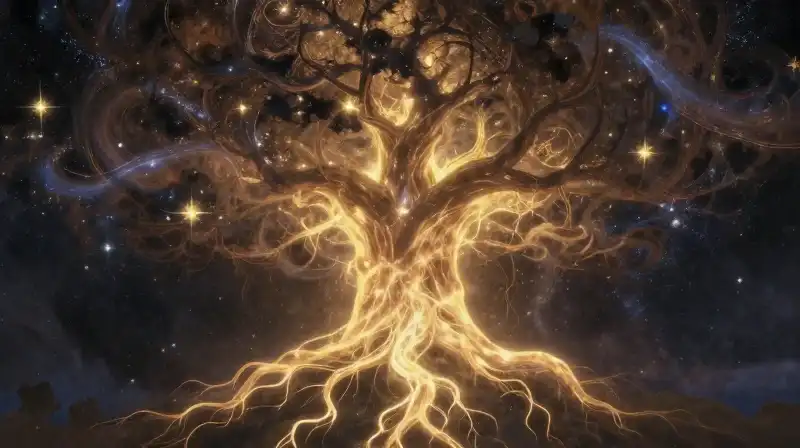
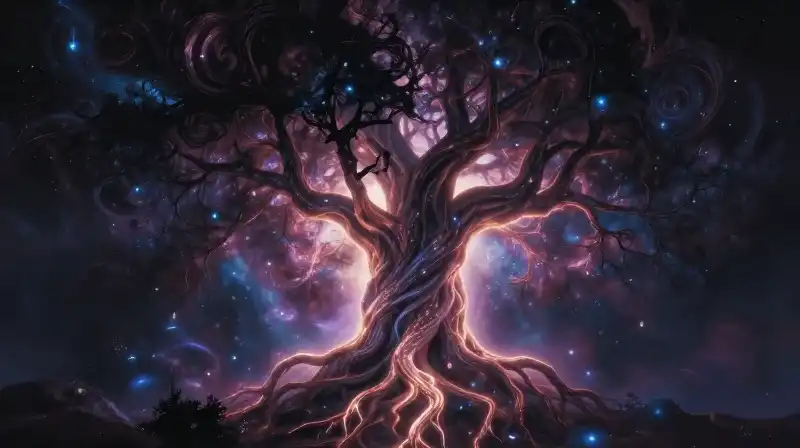
The Norse universe is structured around a magnificent cosmic layout: the Nine Worlds. This interconnected realm is centered on Yggdrasil, a monumental world tree that functions as the spine of existence. Yggdrasil is not merely decorative; it is the axis around which all divine activity and mortal events occur, linking the physical realms (Midgard) with the spiritual and mythical domains 1.
These Nine Worlds house various entities: realms of the living, fields of the dead, lands of pure magic, and the domains of primal forces. The structure reflects a worldview where separation and connection are constant. Deities, heroes, and beasts roam these varied landscapes, bound together by the eternal pull of fate and the influence of the great cosmic tree 1.
God, Giant, and the Dynamic of Conflict
The mythological figures of the Norse tradition do not exist in a static, peaceful hierarchy. They operate within a highly active dynamic, often defined by conflict and necessity. The most powerful group of deities are the Æsir, led by Odin, but the mythic landscape is equally dominated by opposing forces, most notably the Jötnar. These giants function as archetypes—they may serve as powerful adversaries, necessary foils, or sometimes even as figures linked to family and destiny 1.
Odin: The Seeker of Wisdom
Odin stands as a figure of profound complexity. He is the ruler of Asgard and leader of the Æsir, but he is defined equally by his hunger for knowledge. His association with death and the pursuit of profound wisdom sets him apart; he is not just a war god, but a seeker who risks everything—including his own life and eye—to gain insight 1. His role emphasizes the Norse value placed on intellectual pursuit and the acceptance of inevitable change.
Thor and the Guard of Midgard
Contrast Odin’s intellectual pursuit with the grounded strength of Thor, the thunder god. Thor’s role is intensely physical and practical; he is the active protector of the common people and the world itself. His prominence and the fierce devotion of Scandinavians to him during the Viking Age highlight a cultural need for a protector against the chaotic forces of the Jötnar 1.
Beyond the core gods, the lore includes specialized figures like valkyries or dísir, who held significant cultural weight as intermediaries associated with war, the whims of fate, and ancient ancestor cult practices 1.
The Narrative of Destiny: Ragnarök
A core feature distinguishing Norse mythology from many other traditions is its acceptance of inevitable doom. The ultimate story of the Norse cosmos is Ragnarök—a final, cataclysmic battle between the gods and their myriad enemies. This is not a story of endless, eternal peace, but of magnificent, tragic drama. Ragnarök serves as a powerful cultural metaphor for the cyclical nature of existence: destruction leading to a prophesied rebirth of the land and a renewal of life 1.
This emphasis on heroic effort *in spite of* fate, rather than attempts to avoid fate, defines much of the heroic spirit in the literature. The knowledge that the end is approaching imbues the present actions of the gods and mortals with a tremendous, urgent significance.
The Transmission and Survival of the Lore
The tales of Norse mythology were originally transmitted through oral traditions, encompassing rich skaldic poetry utilizing sophisticated techniques like kennings and alliterative verse 1. These living stories only began to be collected and recorded into definitive manuscripts—the Poetic Edda and the Prose Edda—in Iceland during the 13th century 1.
The transmission process itself reveals important cultural insights. Scholars have noted layers of euhemerization within these later texts, suggesting that some deities may have been presented in later manuscripts as deified human ancestors 1. This reflects the cultural practice of honoring powerful, significant figures by mythologizing their mortal presence, ensuring their influence continued into the afterlife. Today, while the original oral tradition is lost, references to the subject persist in historical runic inscriptions and material culture, such as amulets depicting Mjölnir 1.
The Enduring Legacy: Modern Echoes and Context
The relevance of Viking lore continues well beyond the historical period of the Viking Age. Today, the narratives live on in modern forms, particularly within the practices of contemporary Germanic Neopaganism 1. This demonstrates that the myths are not merely historical artifacts but possess a living cultural power, offering participants a framework for relating to nature, fate, and community.
When addressing questions about the historical relationship between these beliefs and other faiths, like the term “Viking Lore” and its intersection with Christianity, the scholarly conversation is one of cultural transition. Historical analysis often focuses on the transition period, where Norse cultural practices interacted with newly arriving religions, sometimes leading to the adoption of new symbols or the reinterpretation of old ones 1.
What the Tradition Means to the Modern Reader
For the contemporary reader seeking to understand this culture, the most important takeaway is that Norse mythology was a robust, functional system of belief. It provided explanations for environmental phenomena (the thunder of Thor, the wisdom of Odin), a moral compass centered on honor and action, and a profound sense of community belonging. It is a tradition that demands respect for its depth, its complexity, and its fierce commitment to the narrative of a world that is beautiful precisely because it is temporary.
This culture remains a powerful source of study, allowing us to trace connections back to shared Proto-Indo-European roots while simultaneously celebrating the unique, powerful voices of the North Germanic peoples.
References
Footnotes
Frequently Asked Questions
What did the Vikings call Jesus?
The article does not contain information about what the Vikings specifically called Jesus. It only discusses the general cultural transition and the intersection of Norse beliefs with newly arriving religions like Christianity.
Related Articles