

Gods
Meet the deities and divine figures worshipped throughout history, from Greek Olympians to Egyptian pantheons and Norse gods.
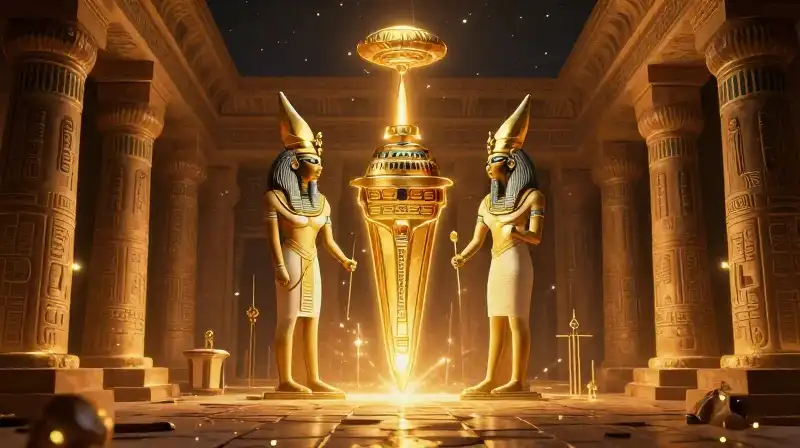
Tutu: Exploring the Role of the Ancient Egyptian Deity of Protection

Tutu: Explore the role of the ancient Egyptian god of protection. Learn how he served as a guardian against demons and bad dreams in everyday life.
872 words
|
4 minutes
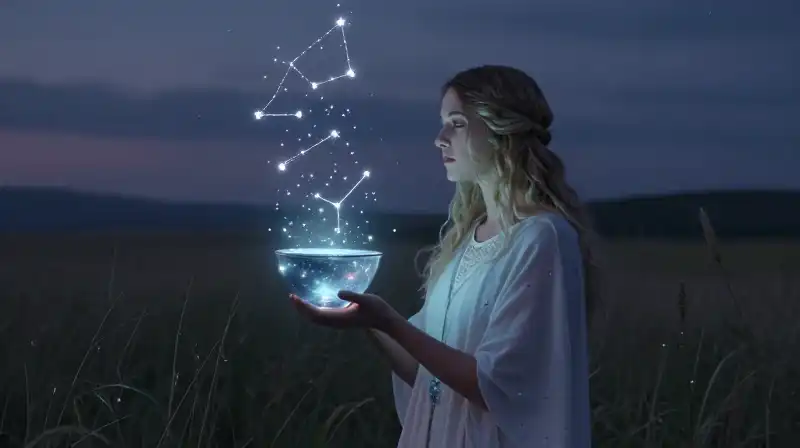
Sirona: The Gaulish Goddess of Healing and Celestial Stars
Discover Sirona, the divine goddess of healing in Gaul. Explore her connection to celestial stars, natural springs, and Roman syncretism.
987 words
|
5 minutes
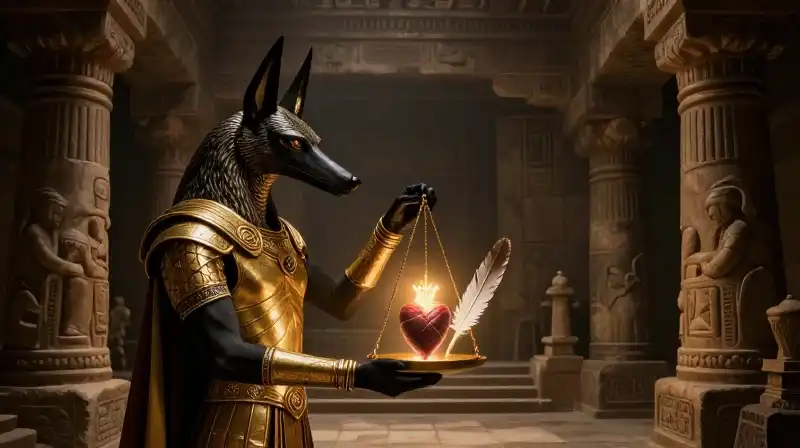
Anubis: The Ancient Egyptian God of the Dead and Funerary Rites
Discover the life and role of Anubis, the jackal god of ancient Egypt, guardian of the dead and guide through the afterlife.
872 words
|
4 minutes
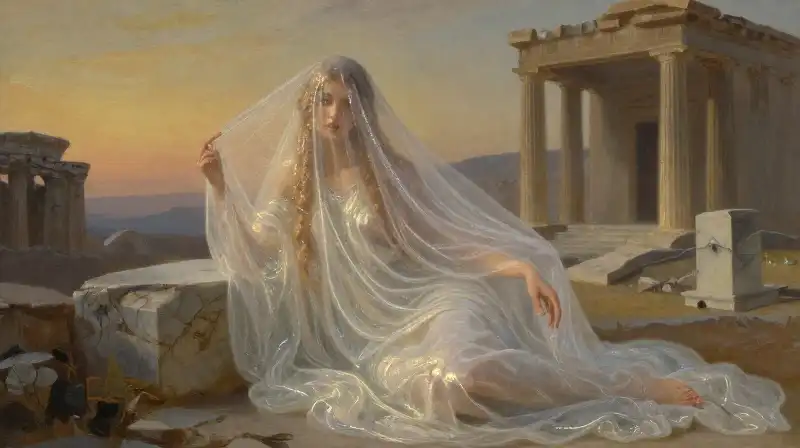
Defining Minor Greek Goddesses: Epithets, Roles, and Function
Discover the roles, epithets, and function of minor Greek goddesses. Explore how these localized deities shaped daily life and nature in ancient Greece.
1011 words
|
5 minutes
Anubis: The Jackal God of the Egyptian Afterlife and Embalming
Explore Anubis, the jackal deity. Understand his critical role in Egyptian mythology, from guarding the afterlife to overseeing sacred embalming rituals.
1028 words
|
5 minutes
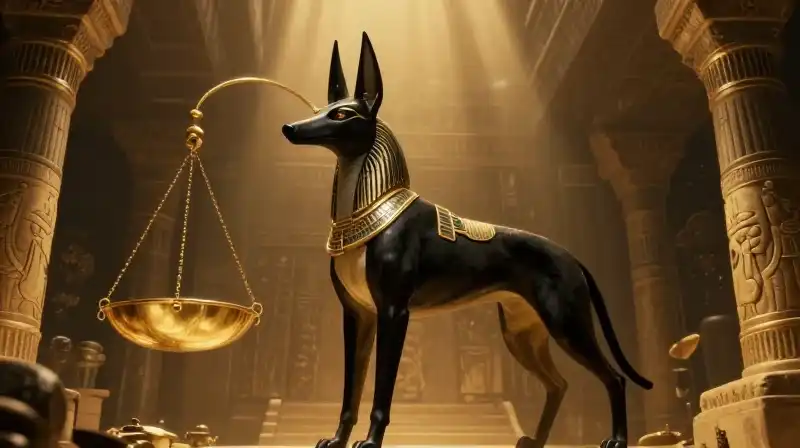
Celtic Pagan Deities: From Local Spirits to Supra-Regional Gods
Explore the complexity of Celtic polytheism: how localized spirits, regional deities, and supra-regional gods defined ancient Irish and Gallic cultures.
883 words
|
4 minutes
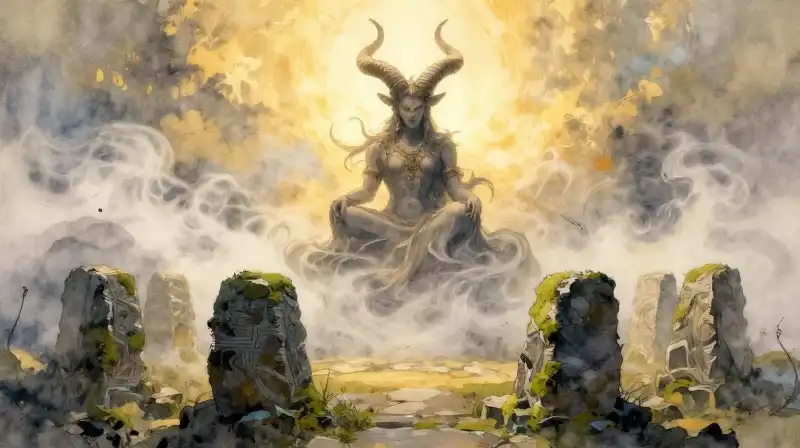
The Ancient Egyptian Crocodile God: Sobeks Power and Forms
Explore Sobek, the powerful Egyptian crocodile god. Discover how this ancient deity evolved from a regional protector to a key symbol of the Nile and divine kingship.
1041 words
|
5 minutes
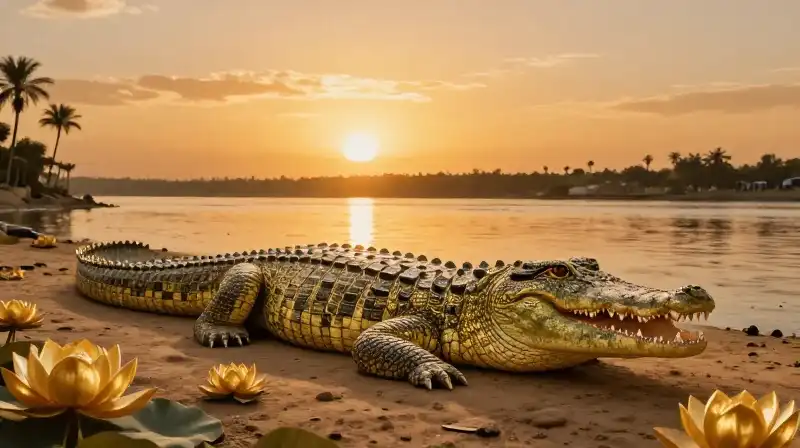
Hathor: Exploring the Diverse Roles of the Egyptian Goddess
Hathor was far more than a goddess of love. Explore the multifaceted roles of the Egyptian divine archetype, from the mistress of the sky to the maternal protector of the pharaoh.
1007 words
|
5 minutes
Frequently Asked Questions
Why did ancient cultures have multiple gods?
Polytheistic cultures worshipped multiple gods because each deity represented different aspects of life and nature — from war and wisdom to fertility and the afterlife — allowing people to seek specific divine guidance.