Ancient Sea Monsters: The Lore of Mythological Aquatic Creatures

Introduction
In many ancient cultures, the vast, unknowable expanse of the ocean serves as the ultimate canvas for the powerful, the dangerous, and the mysterious. It is a place where the rules of human settlement end and the deep, primordial forces of the world begin. Mythological water creatures—from colossal serpents to alluring humanoid forms—are not mere monsters in a list; they are reflections of humanity’s deepest fears and most profound understandings of natural power. These legends serve as a cultural mirror, reflecting how specific communities perceived the chaotic power of the seas and the cosmic forces that governed their lives.
The Cosmic Threat: Norse Depths and the Weight of Destiny
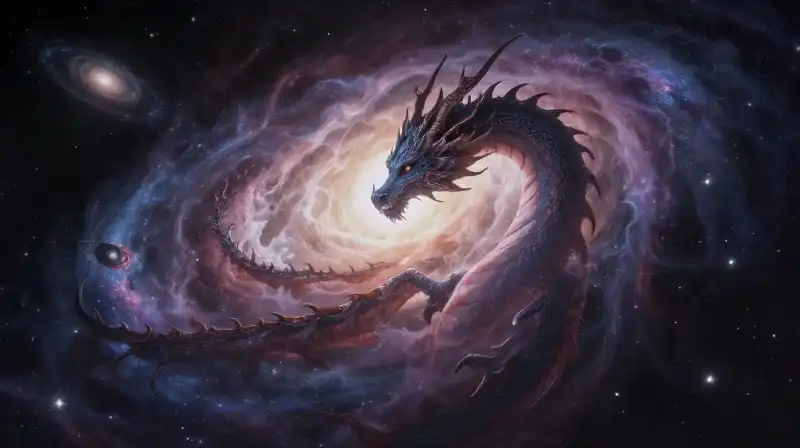
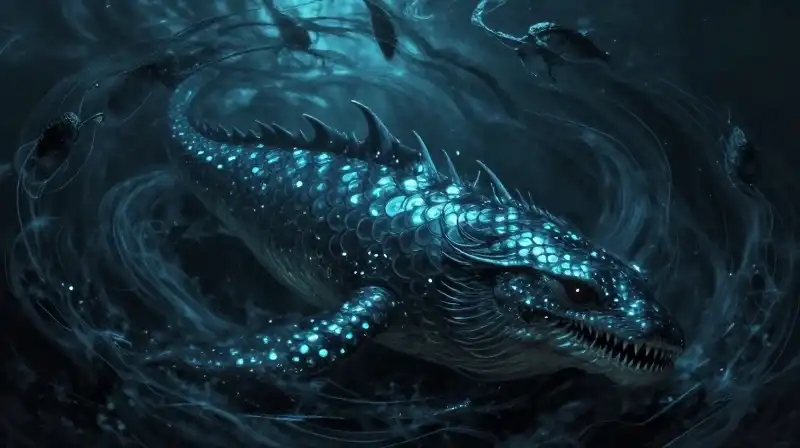
In the traditions of Norse mythology, the creatures that dwell in the water are not merely beasts to be avoided; they are often agents of the world’s destiny. These beings are fundamentally tied to the very structure of reality, embodying immense scale and often serving as precursors to the great ending, Ragnarök. The most famous example is Jörmungandr, the World Serpent. This massive creature is described as residing in the depths of Midgard, coiling around the world itself. Its presence is integral to the Norse narrative, as its ultimate fate is foretold to be a defining conflict with Thor during Ragnarök 1. This serpent, therefore, represents the boundaries of existence—something vast, ancient, and necessary to the order of the cosmos. While Jörmungandr represents cosmic destiny, other figures show the varied perception of the sea’s power. In Norwegian and Greenlandic legends, the Kraken is a primary antagonist for mariners. While it is often depicted as a massive, terrifying squid that poses a fatal threat to ships, some scholarly interpretations suggest its mythological roots might actually stem from historical sightings of extremely large, powerful natural squid 1. Similarly, the Hafgufa of the Greenland Sea holds a uniquely colossal status. It is described in Norse tradition as being so immense that it could be perceived by sailors as a stationary island, and it is even considered the progenitor of all other sea monsters 1. These figures emphasize the sheer, humbling scale of nature that exists beyond the reach of human control.
Monstrous Allure and Fatal Beauty: The Greek Sea Lore
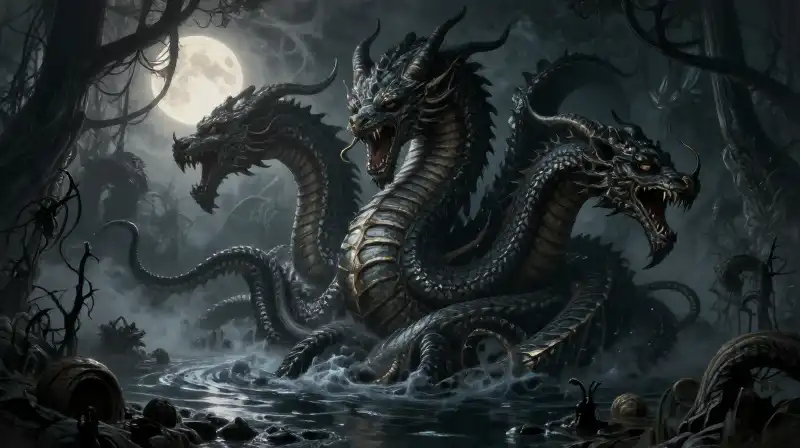
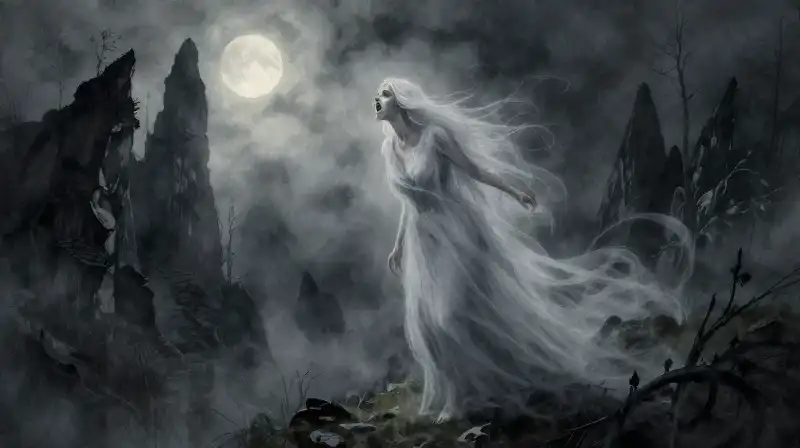
Greek mythology approaches the marine realm with a blend of fatal danger and moral consequences. The creatures found beneath the waves often function as cautionary tales regarding envy, deception, and the unpredictable nature of the sea. Among the most compelling figures is Scylla, who transforms into a menacing sea monster. Her transformation is rooted in a specific act of malice: Amphitrite, jealous of Scylla’s intense devotion to the sea, poisoned the stream in which Scylla bathed, leading to her monstrous evolution 1. This story highlights the Greek tradition of sea monsters as physical embodiments of psychological drama—the conflict and jealousy between divine or powerful figures resulting in a permanent, lethal form. In contrast, Sirens represent a different kind of danger: one rooted in enchantment. These figures are portrayed as malevolent entities in folklore, often taking the beautiful guise of women with fish tails or taking frightening, humanoid shapes. Their particular menace lies in their enchanting songs, which they use to lure and eventually kill sailors, forcing a dangerous trade-off between desire and survival 1. They embody the treacherous allure of the unknown depths—beauty masking absolute lethality.
Regional Echoes of Fear: Specific Mythologies
Beyond the widely recognized figures of Norse and Greek lore, other cultures across the globe have conceived of unique aquatic horrors and wonders, grounding their specific regional traditions in fear of the sea. Japanese folklore offers a chilling example in the Akugyo, a rare and frightening sea creature that originates from Kibi Province. It is described as a creature possessing characteristics of a mermaid-like fish, distinguished by a large, human-like head and two white horns 1. Such specific, regionally confined myths suggest a direct connection between local geography, folklore, and the particular dangers faced by communities in that exact coastal area. The existence of mythological beasts like Jörmungandr, Scylla, and Hafgufa is not arbitrary; they are deeply tied to the regional mythological traditions of Norse and Greek cultures, giving each creature a unique narrative purpose within its respective community’s belief system 1.
Understanding the Myth: Where Does the Lore Live?
When exploring these ancient sea monsters, readers often wonder, “What is a mythical female aquatic creature?” and how these stories relate to reality. The answers found across various traditions offer a complex tapestry. Some creatures are clearly mythological constructs, driven by narrative necessity—like the Sirens, who exist to test human moral resolve. Others may be symbolic of a shared, ancient experience. For instance, the terrifying tales of the Kraken may have found common ground with historical observations of naturally massive marine life. In contemporary culture, these narratives thrive as cultural touchstones that allow a community to grapple with the same fundamental questions: How do we survive the power of the ocean? What is the meaning of the forces greater than ourselves? The tradition of sea monster lore, whether it is a localized fear like the Akugyo or a grand cosmic prophecy like that of Jörmungandr, serves a practical purpose: it frames the relationship between humanity and the unpredictable natural world. It instructs the observer on the gravity of the sea and the inherent power of both nature and the human imagination.
The Living Power of the Deep Narrative
The persistent appeal of mythological water creatures lies in their ability to synthesize enormous forces—cosmic conflict, psychological warning, and primal awe—into a single, living narrative. They are more than names; they are the enduring language communities use to describe the mysteries of the sea and the limits of human understanding. By examining these traditions, we learn that the legends of the deep are not just tales from a distant past, but cultural artifacts that help people navigate the immense, often unpredictable waters of their own lives.
References
Footnotes
Frequently Asked Questions
What is a mythical female aquatic creature?
Sirens are malevolent figures that often take the beautiful guise of women with fish tails, using enchanting songs to lure sailors. Other examples include Scylla, who transforms into a menacing sea monster, and the Akugyo, a rare creature possessing characteristics of a mermaid-like fish.
Related Articles