Greek Mythology Figures: Gods, Heroes, and the Power of Chaos

Introduction
Greek mythology is far more than a catalogue of divine beings; it is a sprawling, complex, and evolving cultural framework—a tapestry woven from ancient oral tradition, deep historical roots, and centuries of profound human inquiry. This tradition provides the narrative lens through which the ancient Greek community understood cosmic order, the inescapable nature of fate, the fierce pull of desire, and the enduring resilience of the mortal spirit. It lives not just in textbooks, but in the foundational stories that shaped identity across the Mediterranean world.
To understand the figures within this rich landscape—from the supreme, ordered deities to the primal forces of chaos—is to understand a continuous human struggle. These narratives, compiled through works like Hesiod’s Theogony and Homer’s epic poems, the Iliad and the Odyssey, are informed by scholarly consensus that the earliest seeds of these stories may date back to the Minoan civilization of Crete 1. The figures that emerge are not merely characters; they are archetypes that reflect the very complexities of human existence.
The Spectrum of Importance: Beyond the Olympians
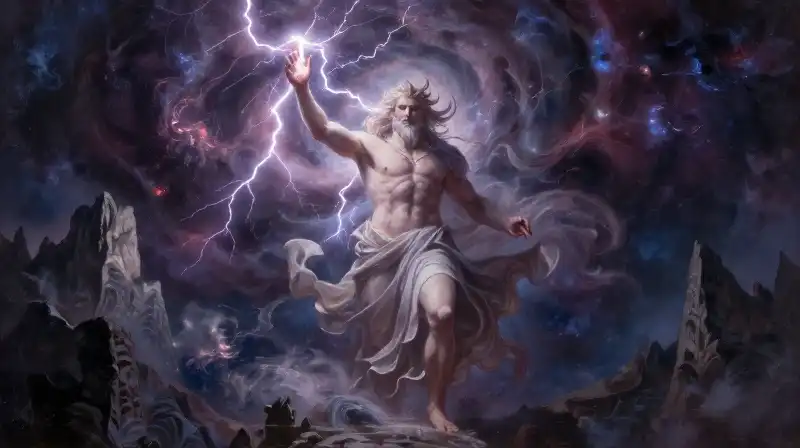
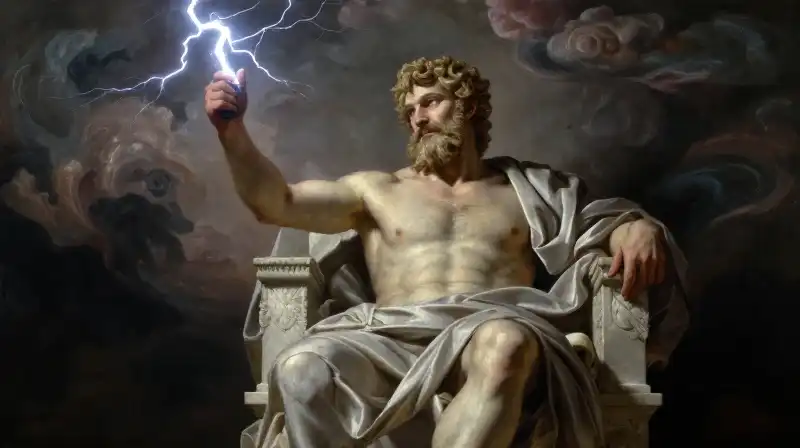
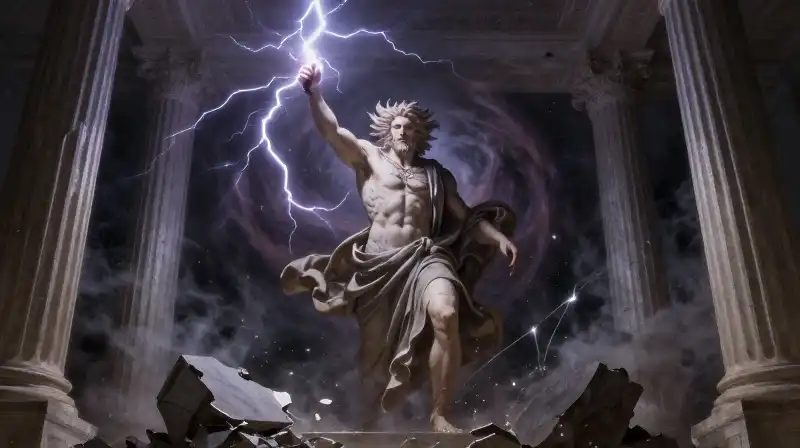
When considering the most important figures in Greek mythology, the traditional focus often rests on the twelve Olympians—Zeus, Hera, Poseidon, and others—who represent the established divine authority 1. Yet, the narrative weight and cultural importance of a character rarely stop there. According to scholars, determining the ‘most important’ figures involves navigating a wide array of traditions, suggesting that cultural significance is often distributed across multiple types of characters 1.
The breadth of the pantheon is vast. It includes the nine Muses, figures who represent the divine patronage of art and knowledge, and Hermes, the swift messenger who embodies travel and communication (1, 2). Alongside these established deities, we find the primordial forces. The Titans and the Moirai (the Fates) are critical because they represent older, foundational cosmic structures that predated the more recognized Olympian system 1. This layered structure of divinity—from the old, powerful Titans to the ordered Olympians and the necessary auxiliary figures—shows a culture perpetually defining its own structure of power.
The Role of Chaos: Forces Outside Divine Order
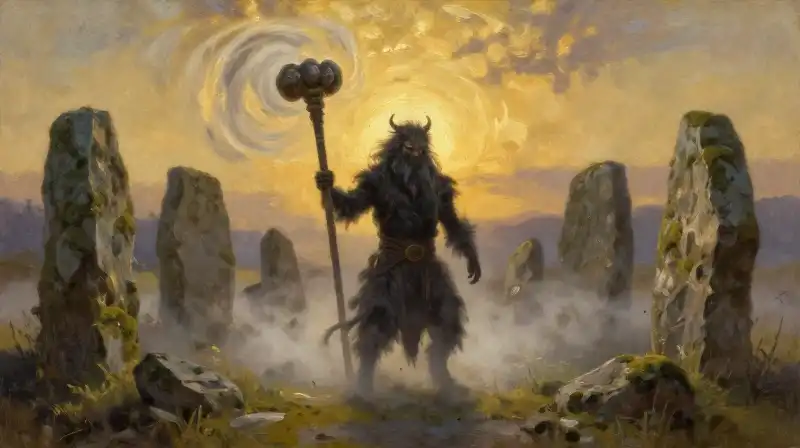
Perhaps the most vital figures, structurally, are those who challenge the perceived cosmic peace. These are the embodiments of chaos, and they hold immense importance because they represent the greatest threats to the existing divine order 1. Figures like Typhon and Echidna are not merely villains; they are critical narrative anchors that explain the ongoing tension between order and entropy within the Greek worldview 1.
The foundational myths themselves are often religious stories of origin, but they also incorporate elemental and seasonal renewal cycles. The conflict between the powerful gods and these primordial forces sets the stage for the entire mythology. Chaos itself is a critical starting point, representing the unformed void from which all existence eventually arose. This ongoing conflict ensures that the mythology never presents a picture of perfect, static peace, but rather a dynamic, hard-won balance.
The Enduring Human Thread: Heroes and Mortals
If the gods provide the cosmic structure, the heroes and mortals provide the relatable human experience. This is where the tradition truly connects with the reader. Figures like Odysseus, Achilles, and Persephone serve as vital anchors, embodying the journey from human frailty to legendary endurance (1, 2). These heroes are celebrated not just for their strength, but for the immense struggle they endure against fate, gods, and themselves (1, 2).
Furthermore, the tradition grants significant narrative weight to female figures, who often embody complex power and influence outside of traditional divine roles. Figures such as Penelope, Circe, and Medea demonstrate formidable agency, their stories delving into themes of resilience, transformation, and the complex intersection of love and power 1. The inclusion of figures like Persephone, who navigates the shift between worlds, grounds the grand cosmic dramas in relatable cycles of loss and renewal.
Defining the Legacy: How Figures Shape the Tradition
The defining characteristic of Greek mythology is its malleability. The body of myths is not a fixed text but one that evolved slowly over centuries of oral transmission 1. This evolution allows the myths to absorb human experiences, transforming ancient legends into timeless narratives about struggle and desire (1, 2).
The narrative weight placed on figures like Odysseus or Heracles (Herakles) stems from their portrayal as figures of immense cultural endurance (1, 2). Their stories are a cultural conversation about perseverance. Similarly, concepts like Fate (governed by the Furies) and desire (represented by Eros) are not peripheral themes; they are structural elements woven into the very fabric of the storytelling, dictating the movement and ultimate meaning of the figures within them (1, 2).
The distinction between the types of figures—from the elemental Chaos to the relatable mortal—allows the tradition to function as a complete worldview. Whether exploring the internal lives of mortals, the complex political maneuvering of the Olympians, or the frightening power of the primal forces, Greek mythology provides a powerful, multifaceted blueprint for understanding humanity’s place in a world governed by both divine decree and unstoppable chaos.
References
Footnotes
Frequently Asked Questions
Who are the Greek mythical figures?
Greek mythical figures span a vast spectrum, including the twelve Olympians such as Zeus and Poseidon, the nine Muses, and the swift messenger Hermes. The pantheon also features primordial forces like the Titans and Typhon, heroes such as Odysseus and Achilles, and influential mortals like Persephone, Penelope, and Medea.
Who bathed Achilles?
The provided article mentions Achilles as a figure who serves as a vital anchor embodying legendary endurance, but it does not contain any information regarding who bathed him.
Related Articles