Egyptian Gods and the Plagues: Challenging Ancient Divine Authority

Introduction
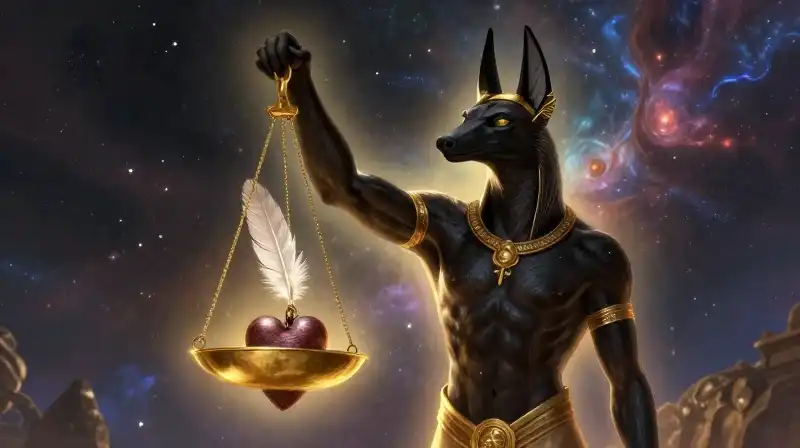
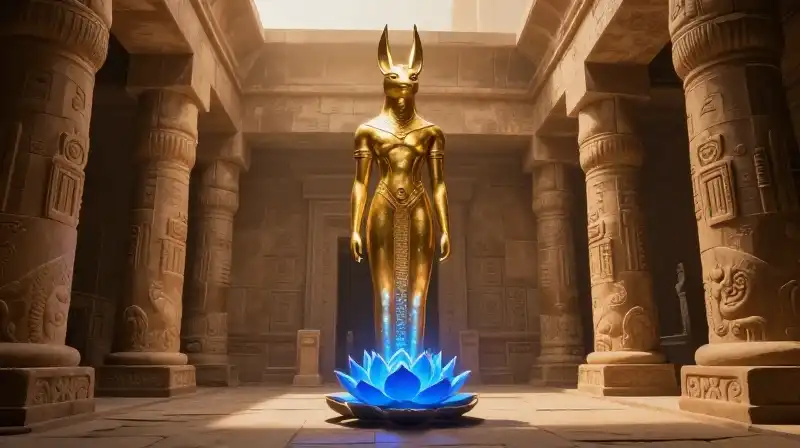
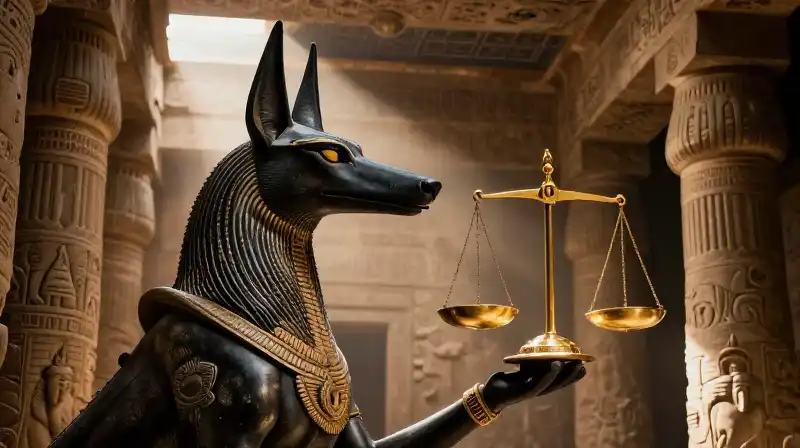
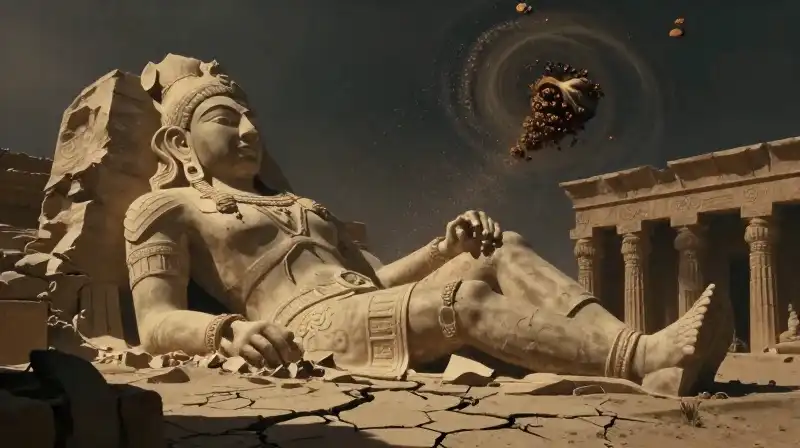
The narrative of the ten plagues in ancient Israel is often read as a simple account of divine intervention and deliverance. However, to interpret these events solely as a list of supernatural disasters is to miss their profound cultural and theological density. For scholars and those studying ancient Near Eastern history, the plagues functioned as far more than just a demonstration of power; they represent a calculated theological assault designed to dismantle the socio-religious structure of ancient Egypt 1. > >The central question regarding the plagues is whether they correspond to the Egyptian pantheon, and the scholarly consensus suggests a resounding “yes.” The narrative uses natural phenomena to contest the absolute authority of the Egyptian gods, asserting the unique sovereignty of the God of Israel over every aspect of Egyptian existence—from the fertile bounty of the river to the protective power of the skies. This is not merely a list of miraculous events, but a sophisticated cross-cultural argument about which power holds dominion: the established divine authority of Egypt, or the new, transcendent power brought by Israel.
The Plagues as a Challenge to Divine Authority
>In ancient Egypt, every element of life was intrinsically linked to a deity. The Nile’s annual flood was controlled by Hapi, and the very ground was shaped by Khnum, the creator god of the river’s source. Any change to these fundamental forces was, therefore, a direct threat to the established cosmic order (*Ma’at*). > >According to 1, the initial turning of the Nile into blood is viewed as a dual challenge: a denial of the natural world itself, and a pointed assault on Khnum and Hapi. The plagues systematically target various spheres of Egyptian life: > >
>- Creation and Sustenance: The Nile’s transformation directly targeted Khnum and Hapi. >- Healing and Purity: The emergence of boils was understood as a power play that challenged deities like Sekhmet and Isis, who were believed to govern healing and illness 1. >- The Elements: The plague of flies directly challenged Shu, the god responsible for air and the supporter of the heavens 1. >- Agriculture and Order: Locust swarms targeted Bastet, the feline deity protecting crops, while simultaneously diminishing the role of Osiris, the god of death and agriculture 1. >- The Heavens and Cosmos: Major atmospheric shifts, such as the hail, are interpreted as God overcoming the influence of both the sky goddess Nut and the volatile storm god Seth 1. >
> >The plagues served to systematically reduce the efficacy of the Egyptian pantheon, illustrating that their influence—the protection of livestock, the fertility of crops, or the clarity of the skies—was not absolute.
Mapping the Divine Contest: Deities and Their Counterparts
>Scholarly discussion surrounding the correspondence between the plagues and the gods they challenge is a rich area of Egyptology. Egyptologists confirm that the plagues frequently contest the power of specific, powerful Egyptian deities (2, 1). > >While the precise match for every single plague remains a subject of academic debate, certain events bear undeniable parallels to specific aspects of Egyptian religion: > >
The Challenge to Life and Fertility
>The fifth plague, the pestilence affecting livestock, was particularly impactful because it challenged the vital symbols of Egyptian societal strength. This plague rendered impotent the gods and symbols associated with vital animals, such as the bovine goddess Isis and the sacred Apis bull (2, 1). By rendering these sacred animals vulnerable, the narrative undermined the religious assurances these powerful animals provided to the Egyptian community. > >
The Influence of the Cosmos
>The challenge was not confined to local cult beliefs but spanned the entire Egyptian cosmological frame. The plague of flies, for instance, was linked to challenging Shu, the deity of the air. Furthermore, the plague of locust swarms was specifically targeted at Bastet, the powerful feline deity that oversaw the protection of harvest 1. These specific examples demonstrate that the divine authorities of Egypt—their fertility goddesses, their air gods, and their cosmic protectors—were all brought into this theological conflict.
Beyond Egypt: A Pan-Cultural Scope
>The narrative of the plagues suggests a deliberate scope that was intended to communicate not only to the Israelite audience but also to the surrounding nations. By presenting the God of Israel as having the unique power to affect the fundamental laws of nature, the narrative allowed external observers to understand the distinct might of this new, singular deity 1. > >This deep resonance with surrounding cultural myths—specifically the Egyptian Tale of Sinuhe and the Mesopotamian legend of Enuma Elish—suggesties the narrative existed within a wider pan-cultural frame of reference 1. These echoes imply that the core themes of cosmogony and the contest between divine powers were widely understood in the Ancient Near East. The plagues, therefore, tap into universal human themes of power, order, and disruption.
Addressing the Questions: Were the Plagues Based on Egyptian Gods?
>To answer the user inquiry directly, yes. Many scholars argue that the ten plagues correspond closely to the ten major deities or spheres of influence within the Egyptian pantheon 1. This reading asserts that the biblical text consciously utilizes the cultural touchstones of the Egyptian worldview to prove that the God of Israel transcended, and eventually defeated, the entrenched religious structures of the land. > >However, it is essential to note that the biblical narrative is complex. A scholarly debate persists concerning the precise correspondence, with some suggesting the list might not be a strictly sequential battle against ten specific gods, but rather a collection of “signs and wonders” drawn from different source texts 1. Furthermore, some modern interpretations note that the reference to flying insects (*kinnim/ārōb*) might have specifically been directed against Khepre, the Egyptian god of resurrection symbolized by the flying beetle 1.
Living Heritage: Significance and Scholarship
>The ongoing scholarly discussion around the plagues involves more than just assigning gods to disasters; it involves analyzing literary intent. The debate continues over whether the plagues represent a perfectly ordered sequence or if the narrative is a tapestry of various “signs and wonders” influenced by diverse biblical source materials 1. > >For those interested in a deeper study of this tradition, understanding the plagues requires moving past the idea of simple “magic.” It is a complex theological argument about sovereignty, written in the language of ancient cosmology. It demonstrates how a powerful narrative can utilize the entrenched religious frameworks of a sophisticated civilization to deliver a profound and lasting message of a competing faith.
Ultimately, the Egyptian gods and the plagues offer a window into how different ancient cultures conceptualized power and sovereignty. By examining how the narrative challenged the foundational myths of Egypt, we gain a deeper appreciation not only for the biblical text but for the shared cultural tapestry of the Ancient Near East.
References
Footnotes
Frequently Asked Questions
Were the plagues based on Egyptian gods?
Yes, many scholars argue that the ten plagues correspond closely to the ten major deities or spheres of influence within the Egyptian pantheon. The narrative represents a calculated theological assault designed to dismantle the socio-religious structure of ancient Egypt by contesting the authority of the Egyptian gods.
What plagues did God bring to the Egyptians?
God brought plagues such as the Niles transformation into blood, the emergence of boils, flies, locust swarms, and hail. Additionally, the plagues included a pestilence affecting livestock.
Related Articles