Who is Strongest? Ranking the Greek Gods’ Power and Influence

Introduction
The question of who is the strongest of the Greek gods is a central, yet inherently complex, inquiry within the study of ancient traditions. In the realm of mythology, definitive power rankings rarely exist because “strength” is rarely measured by a single metric. Instead, the deities of Olympus represent a diverse collection of powers—ranging from raw physical might and cosmic dominion to influence, intellectual prowess, and profound cultural stability. To understand the strength of the Greek pantheon, one must look beyond a simple list and examine the interplay between status, domain, and narrative influence, recognizing that the Greek myth tradition is less a scientific database and more a living framework for understanding human ambition and divine jurisdiction.
The Dual Meaning of Divine Strength
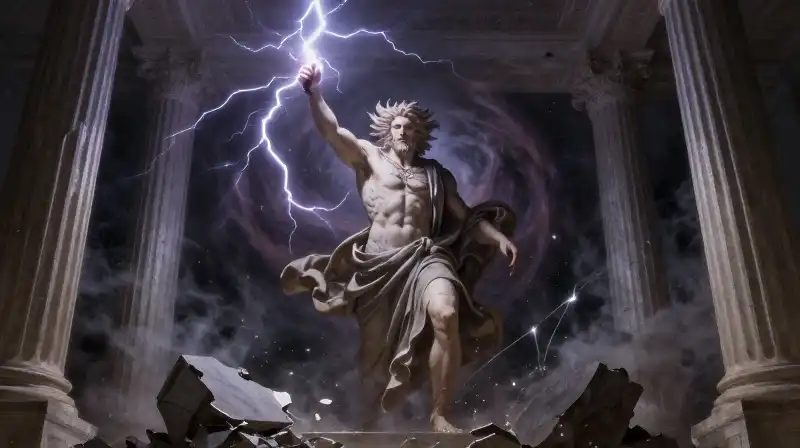
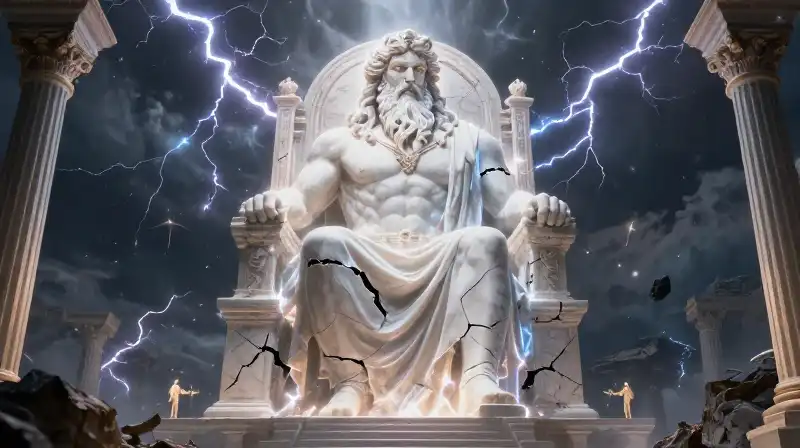
When examining the Greek gods, it is crucial to recognize that power is multifaceted. According to various assessments, the ranking of deities depends entirely upon the measure applied: whether that measure is pure physical might, the scope of one’s influence, or the weight of one’s social status within the cosmos 1. Consensus generally accepts Zeus as the most powerful deity and the recognized King of the Gods, a fact consistent across many narrative analyses (1, 2, 3). However, status does not always equal absolute dominance in every narrative. The power hierarchy is often distilled into the “three big brothers” of the pantheon: Zeus, Poseidon, and Hades (1, 3). These figures command major spheres of existence—sky, sea, and the underworld, respectively—giving them immense systemic power. Yet, the nature of their strength varies significantly. While Zeus holds the crown of political and physical authority, Hades’ dominion over the dead is a power that transcends mere fighting strength. His marriage to Persephone, for example, is responsible for sparking the myth of the Ice Age, illustrating how his domain dictates profound, cosmic changes 1.
Measuring Strength Through Influence and Feats
While raw power is a common narrative thread, many deities are defined by their specialized capabilities, which often allow them to challenge or even overpower traditional rulers. For instance, the martial strength of figures like Hercules is well-documented, and some scholarly perspectives suggest that figures such as Athena possess the might to defeat other gods 1. It is important to differentiate between physical might and strategic dominance. Athena, for instance, is celebrated not for her brute force, but for her intellectual strength and tactical brilliance in warfare 1. Conversely, myths detailing great physical feats—such as Athena incapacitating Heracles in a fit of rage, or Apollo defeating massive serpentine beasts—demonstrate that the demonstration of power is often tied to a specific narrative function or domain rather than a universal, quantifiable score (1, 3). Even gods like Apollo, though mighty in the realm of music and light, are sometimes depicted as hesitant or even fearful of direct conflict with Poseidon 1.
The Complexity of Roles: Archetypes and Domains
The breadth of the Greek pantheon reveals that strength is often tied to fulfilling an essential cultural role. Figures with unique characteristics and often unstable statuses provide the most fascinating study of divine power. Dionysus, for instance, possesses a role that constantly shifts between god and demigod. Despite this unstable status, his domain as the patron of wine, festivals, and ecstasy is critically important to the cultural fabric of the traditions he represents 1. Furthermore, figures often relegated to the periphery, such as Pan—the god of untamed, wild nature—are essential to understanding the regional variations of the Greek pantheon 1. Similarly, Hera embodies complex power. She is depicted as a powerful matriarch who maintains strong ties to Zeus, yet her narratives also feature her as a fiercely vengeful and wrathful figure (2, 3). The deep connections between Aphrodite, Demeter, and Persephone, particularly through the powerful myth of the abduction of Persephone, underscore how familial and social bonds can drive cosmic shifts, creating a complex tapestry of divine interactions 1.
Beyond the Ranking: Myth as Social Commentary
The traditional narratives surrounding the Greek gods are fundamentally stories of human struggle and divine negotiation. The internal conflicts within the pantheon—such as the disputes between Zeus and his own offspring—serve to highlight the complexities of divine lineage and the inherent instability of ultimate authority 1. These myths function as cultural mirrors, reflecting community values, anxieties, and the very nature of power. In modern interpretations, this tradition continues to evolve. Contemporary readers and scholars engage with these myths through lenses ranging from traditional reverence to critical analyses of the gods’ interpersonal behaviors and relationships (1, 3). The enduring value of these narratives lies in their ability to provide a framework for exploring how human systems—familial, political, and social—manifest on a grand, archetypal scale.
Navigating the Tradition
When approaching the study of the Greek gods, it is essential to understand that the pursuit of a single, absolute “strongest” deity risks flattening a deep and intricate cultural tradition. The narratives teach that power is not merely an attribute of force, but an attribute of *influence* and *domain*. Whether one is interested in the physical might of a hero like Heracles, the intellectual strategy of Athena, or the cosmic influence of Hades, the “strength” of any god is a reflection of their unique narrative function within the cultural heritage. By moving past the search for a static ranking and focusing instead on the function and meaning of these diverse divine powers, one gains a more profound understanding of what this tradition truly represents.
References
Footnotes
How to understand the divine strength of the Greek gods
Avoid static rankings
When approaching the study of the Greek gods, avoid the pursuit of a single, absolute "strongest" deity, as this risks flattening the tradition.
Define power metrics
Recognize that power is multifaceted and should be measured not just by raw physical force, but by influence, strategic dominance, and domain.
Examine specific functions
Analyze how specific deities—such as the martial strength of Heracles or the intellectual brilliance of Athena—demonstrate power within their unique narrative roles.
Identify cosmic influence
Focus on how a god's domain (e.g., Hades over the dead, Poseidon over the sea) can dictate profound cosmic shifts, illustrating their systemic power.
Related Articles