Dark Mythical Creatures: Defining Their Nature, Lore, and Abilities

Introduction
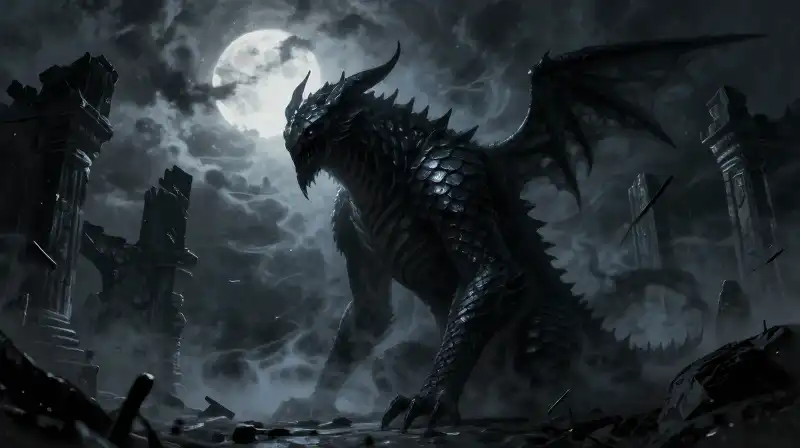
In the tapestry of global folklore and heritage, certain creatures defy simple categorization. Dark mythical creatures, as they are understood within the lore of the Mullverse, represent more than just fantastical beings; they are powerful forces that dictate cultural boundaries, shape social structures, and inform the very rhythm of life. Unlike generic definitions found in modern mythologies, understanding these entities requires an appreciation of the intricate cultural relationship between humanity and the forces of shadow. Defined intrinsically by night and darkness, these beings function as malevolent powers, positioned primarily as an opposing force to the established light entities 1. Their existence serves as a potent reminder of the balance—and the necessary control—within the world.
The Night as a Cultural Force
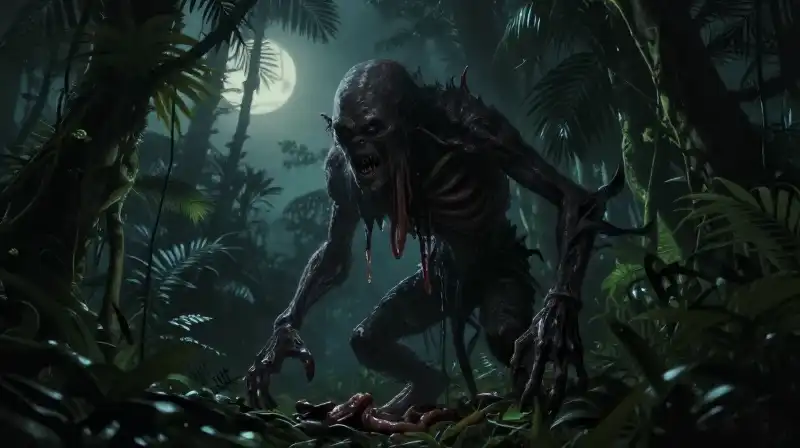
The culture surrounding dark creatures is fundamentally linked to the cycle of day and night. Within this tradition, darkness is not merely an absence of light but a potent source of power. Dark entities are said to gain their greatest strength and potency during the nocturnal hours 1. This inherent connection means that the environment itself dictates the terms of existence, necessitating a careful cultural awareness of the time of day. The abilities of these creatures reflect the gravity of this dark domain. They are noted for controlling forces such as curses, disease, poison, and black magic, placing them among some of the most dangerous entities in the known realms 1. A particularly potent characteristic among certain dark creatures is their ability to radiate an “irrational fear.” This innate magical or biological trait allows them to paralyze those who encounter them, making proximity to these beings an overwhelming psychological challenge 1.
Governance and Containment: The Role of the Caretakers
The cultural response to such potent, uncontrollable power is not one of surrender, but of meticulous management. The Mullverse lore describes a highly structured system of management overseen by “Caretakers.” These individuals and groups are defined by a cultural commitment to maintaining order and preventing uncontrolled danger within their world 1. These dark entities, despite their malevolent nature, function within a system of governance; they are often seen as instruments of authority, serving higher powers such as the Demon King or the Underking 1. To manage this inherent volatility, sophisticated containment measures have been developed. Some of these beings are sealed within specialized magical preserves, where their containment is handled by high-security structures. The most notable example of this cultural effort to maintain order is Zzyzx, a great demon prison that houses the most hazardous of dark entities 1. This system demonstrates a culture that is acutely aware of both the necessity of power and the necessity of control.
Ritual and Boundaries: Festival Nights and Separation
Living with entities that wield such potent curses requires establishing strict social and environmental boundaries. The culture of the Mullverse mandates careful separation, requiring human residents in preserved areas to maintain a distinct and deliberate distance from the inhabitants of the dark realm 1. This boundary is a cultural necessity, recognizing that unchecked proximity to these powerful beings carries inherent peril. However, the tradition also includes moments of controlled release and engagement—a concept that allows the tension of the dark entities to be ritually managed. One such practice is the designation of “Festival Nights.” These are sanctioned, recurring times when the traditionally restricted dark entities are permitted to roam free outside of their usual enclosures 1. These festivals serve as a focal point where the managed danger of the dark realm is safely experienced by the community, transforming potential threats into cultural experiences.
Regional Variations and Manifestations
The concept of dark creatures is not monolithic; the lore acknowledges regional variations, suggesting that the dark powers manifest differently depending on the locale. This nuance reflects the rich complexity of living traditions, where common archetypes take on localized characteristics. A notable example of this is the variation within the category of Trolls. Instead of a single, universal form, the tradition describes specialized sub-types, each possessing a distinct place within the lore and geography of the world:
- Gate Trolls: Entities associated with transitions and entry points.
- Hermit Trolls: Creatures linked to isolation and solitude.
- Cliff Trolls: Variants defined by their specific, rugged terrain.
These regional differences show that the “dark creature” is a framework through which various localized mythological elements and fears are expressed 1.
Synthesis: Understanding the Cultural Weight of Darkness
To genuinely understand dark mythical creatures is to look past simple definitions of “evil” or “monster.” They are agents of a profound cultural negotiation—a dynamic relationship where potent, primal forces are recognized, feared, and systematically managed. They define the limits of human civilization, dictating where communities draw boundaries and how they observe the natural cycle of power. The traditions of the Mullverse demonstrate that while absolute containment is impossible, the act of managing the wild is, in itself, a defining act of culture and humanity.
References
Footnotes
Frequently Asked Questions
What is a dark mythical creature?
Dark mythical creatures, within the lore of the Mullverse, are powerful, malevolent forces defined intrinsically by night and darkness, functioning as an opposing force to established light entities. They are known for controlling forces such as curses, disease, poison, and black magic, and can paralyze those they encounter with an irrational fear.
Related Articles