What Is an Aswang? Defining the Types of Filipino Mythical Creatures

Introduction
The concept of the *aswang* (or *æ·swang*) occupies a complex and deeply rooted place in the tapestry of Filipino folklore. It is often mistakenly defined as a single, monolithic monster, but for many who hold the tradition, the *aswang* is less a specific creature and more of an umbrella term—a designation for a broad category of malevolent, shapeshifting, and flesh-eating beings 1. To understand the *aswang* is to move beyond the simple classification of “demon” and enter a richly textured realm of regional myths, cultural anxieties, and indigenous storytelling. It serves as a vital component of Filipino cultural tradition and superstitious belief, illustrating a profound interest in regional folklore 1.
More Than One Monster: Defining the Archetypes
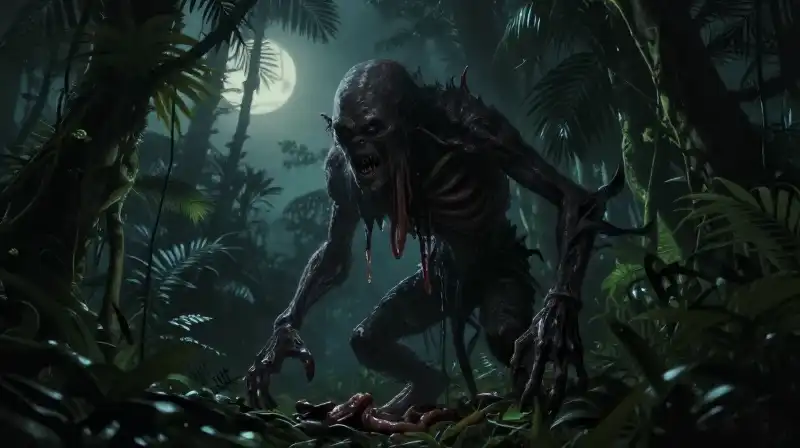
To find the answer to “what are the creatures in aswang mythology,” it is necessary to recognize that the myth encompasses a variety of figures, blending traits from disparate cultural archetypes. Scholarly interpretations have categorized these figures into distinct subtypes that often mirror concepts from Western supernatural traditions, suggesting a fascinating cross-cultural evolution of fear 1. The foundational description of an *aswang* generally combines the predatory nature of a ghoul, the hypnotic allure of a warlock, the blood-drinking habit of a vampire, and the transformative abilities of a werebeast 1. This amalgamation reflects a historical fear of the “other”—a threat that can disguise itself to move through human society undetected. Within this broad umbrella, specific regional and narrative types emerge:
- The Vampire Aswang: Not only a bloodsucker, but one noted for his ability to infiltrate human lives, sometimes by marrying into a family, making the threat intensely personal. This version is frequently described as using a proboscis-like tongue to draw blood 1.
- The Viscera Sucker (Manananggal): This highly specific and gruesome archetype is culturally significant due to its distinct method of attack. The *manananggal* is traditionally said to segment its body, allowing it to fly at night to hunt its targets 1.
- The Weredog/Warlock: Other categories include figures that embody the transformation into a canine or general sorcerers who utilize their supernatural abilities for nocturnal predation 1.
The Cultural Weight of the Aswang
The *aswang* myth is more than just a collection of monsters; it reflects deeper social and ethical anxieties within the communities that hold the stories. Culturally, the *aswang* is sometimes interpreted as representing an inversion of traditional Filipino values 1. These beings are fundamentally tied to nocturnal behaviors, often targeting vulnerable members of the community, such as pregnant women and children (1, 2). This is not a universally presented threat. Local oral traditions frame the creature’s danger within the specific geography and social context of local neighborhoods and community events 1. For instance, stories recounted in Capiz within the Visayas are noted as a particularly prominent area for the rich and specific myths surrounding these creatures (1, 2). By rooting the folklore in local history and regional events, the *aswang* becomes a narrative device that teaches caution, recognizes unseen threats, and reinforces community boundaries.
Historical Roots and Modern Fear
Tracing the history of the *aswang* reveals how the modern concept grew from older, more generalized fears. Historical documents dating back to the 16th century already mention related figures, such as the *manananggal* and *osuang*, indicating that the *aswang* myth is deeply interwoven with older indigenous descriptions of demonic or non-human figures 1. Over centuries, these narratives have evolved, gaining the specific traits that define them today. The creature’s power is inherently linked to the darkness. Like many supernatural entities in folklore, the *aswang*‘s powers are generally understood to be significantly diminished during the daylight hours, cementing its role as a creature of the night 1.
A Living Tradition of Fear and Wonder
The enduring power of the *aswang* myth lies in its ability to capture the fear of the unknown within the recognizable patterns of Filipino life. Whether it is the gruesome segmentation of the *viscera sucker* or the insidious approach of the blood-drinking vampire, the creature serves as a complex mirror to human vulnerability. Because the *aswang* is a cultural umbrella, its meaning shifts slightly across different regions and villages. It stands as a powerful example of how a society can take a primordial fear—the fear of the shape-shifter or the unseen danger—and articulate it through a rich, evolving, and regionally specific mythological system. It is a tradition that ensures the preservation of local narratives and gives voice to the fears of communities living within the shadows.
References
Footnotes
Frequently Asked Questions
What are the creatures in aswang mythology?
The aswang is a broad umbrella term for a category of malevolent, shapeshifting, and flesh-eating beings, blending traits of a ghoul, a vampire, a warlock, and a werebeast. Specific subtypes include the blood-sucking Vampire Aswang, the Manananggal (Viscera Sucker), and the Weredog or Warlock.
Related Articles