Día de los Muertos and Hello Kitty: Blending Tradition and Culture

Introduction
Día de los Muertos is not merely a holiday on the cultural calendar; it is a profound, living tradition that affirms the enduring connection between the living and those who have passed. Far from being a somber occasion of mourning, this observance is a celebration—a vibrant, communal act that acknowledges life through the lens of death. At its heart, the tradition is fundamentally rooted in a deep love for life itself, a sentiment expressed through rich use of color and shared gastronomy 1. The tradition invites families and communities to gather, remembering “generations passed” by actively constructing a space for their remembrance.
This powerful heritage often finds itself interpreted through various lenses, ranging from ancient rituals to modern cultural appropriations. When modern icons intersect with this profound tradition—such as the blending of the gentle motif of Hello Kitty with the symbolic visual language of the Day of the Dead—it creates a unique space for conversation. This intersection allows us to look closer at how cultural knowledge is transmitted, how tradition adapts to global markets, and what it truly means to keep memory alive.
The Living Practice: Building the Ofrenda
The ritual practice of the observance centers around the meticulous creation of the ofrenda. This is not a simple display but a carefully constructed altar or arrangement—a sacred space dedicated to commemorating the departed 1. The purpose of the ofrenda is to serve as a tangible pathway, providing a space for the spirits to visit their loved ones.
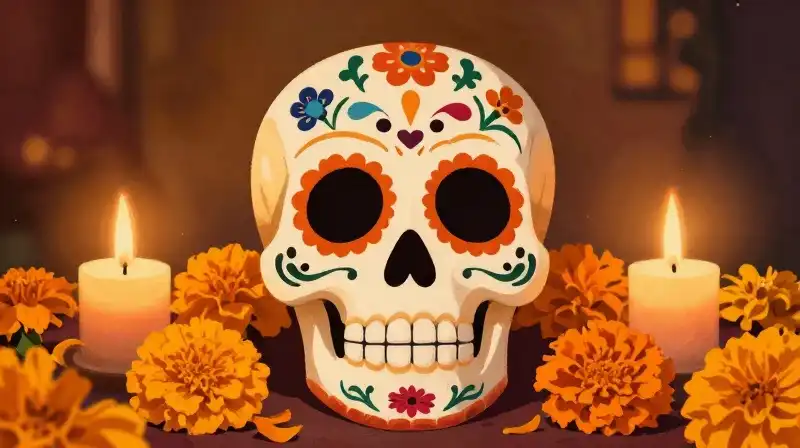
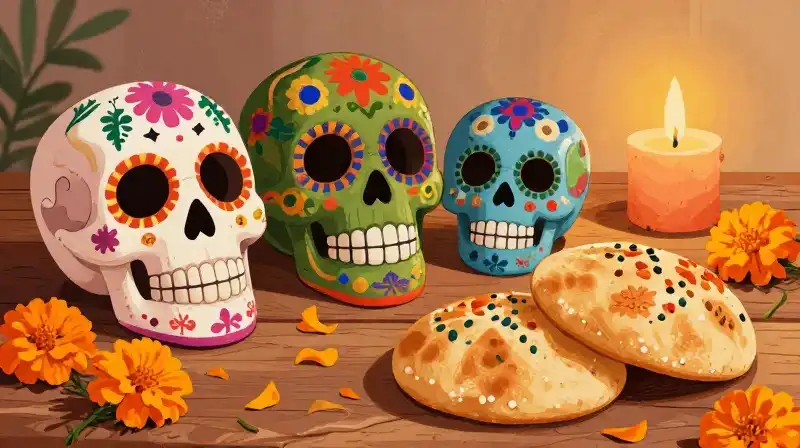
Each element placed upon these altars is deliberate and symbolic. One of the most essential and ubiquitous features is the marigold flower. These vibrant blooms are identified as a crucial and abundant element that permeates the atmosphere of the celebration, acting as a spiritual guide and a cornerstone of the aesthetic 1. Furthermore, the ofrenda incorporates a wide array of symbolic items, including traditional food, colorful decorations, and items that held personal significance for those being honored. This active placement of items is what transforms a space into a deeply personal act of devotion.
A Symbol of Memory and Transmission
A key aspect of Día de los Muertos is the function of the tradition as a cultural transmitter. The observance is a shared, communal experience where the older generations and new participants share knowledge, passing on the history and meaning of the ritual. The narrative structure of the tradition often reflects this learning process; a character might be shown visiting friends to learn the practices of the Day of the Dead, thereby absorbing the culture through shared experience 1.
When this narrative of cultural transmission meets modern product design, the traditional imagery can be adapted. For instance, stylized depictions of skeletal figures, often represented with “white bones,” are frequently utilized. These figures, while sometimes perceived purely as macabre, are intended to be a gentle, celebratory representation of the life cycle itself. By incorporating these elements into new formats, the tradition remains a visible and evolving part of contemporary life, allowing contemporary participants to connect with their heritage through familiar and often cherished modern figures.
Modern Interpretations and Cultural Nuance
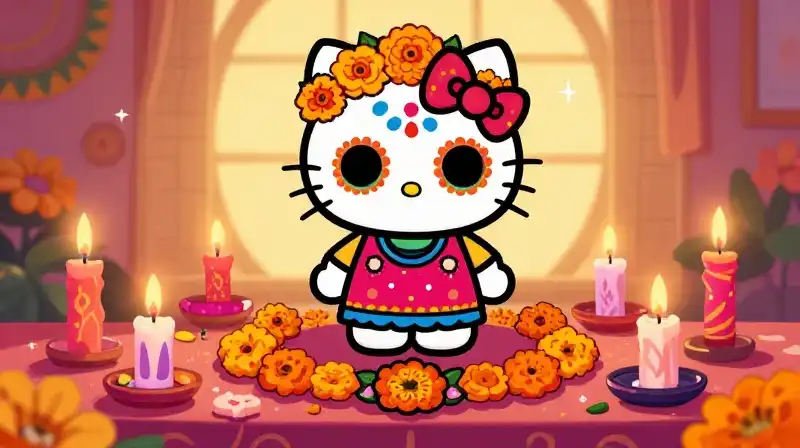
The intersection of Día de los Muertos and global pop culture, as seen in the Hello Kitty imagery, highlights the complex relationship between cultural heritage and commercial adaptation. An illustration of this is the use of specific design details within these modern products. Visual elements might feature the bright hue of an “orange marigold,” serving as a key visual component 1. Stylistic choices are also made to convey celebratory mood, such as the inclusion of stylized bows and specific eye decorations on the stylized imagery 1.
This process illustrates a fascinating dynamic: tradition is not a static museum piece. It is a living culture that is embraced, referenced, and reinterpreted. While the core cultural practice demands respect for its origins and significance, these modern adaptations allow the beauty, color, and emotional warmth of the tradition to reach broader audiences. They transform a profound ritual into an accessible, modern language, allowing others to engage with the spirit of remembrance.
Understanding the Symbolism: Beyond the Definition
To understand Día de los Muertos is to look past simple definitions of “celebrating death.” It is about recognizing that death is seen not as an end, but as a transition, and the celebration is the vibrant expression of that transition. The tradition is built on the premise of continuity: the memory of the loved one lives on in the vibrant colors, the familiar flavors, and the enduring stories shared by the community. This depth of feeling is what differentiates the tradition from any mere aesthetic or “day off.”
For those seeking to genuinely understand the culture, the focus should always be on the core meaning: the active, vibrant remembrance of life through the honoring of those who have passed. It is a deeply human ritual of connection, community, and everlasting affection.
References
Footnotes
Related Articles