The Filipino Gods and Goddesses: Roles in Ancient Philippine Myth

Introduction
To understand the rich tapestry of Filipino heritage, one must look beyond the singular stories of colonial influences and into the complex, vibrant pantheons that predated them. The belief in Filipino gods and goddesses is not a static list of names, but a sophisticated framework of cosmology, ethics, and nature-based reverence. These ancient Tagalog and regional deities represent a deep spiritual relationship with the earth, the sun, the harvest, and the community itself.
At the heart of this traditional belief system lies a complex hierarchy. According to 1, the system is organized around a supreme creator, Bathala, presiding over a multitude of localized nature spirits and diwatas. This structure reveals a worldview where the divine is not distant, but an intricate web of forces—gods of thunder and earthquakes, spirits of the fields, and guides of love—shaping the daily rhythms of life in ancient Philippine society.
The Divine Architecture: Bathala and the Supreme Order
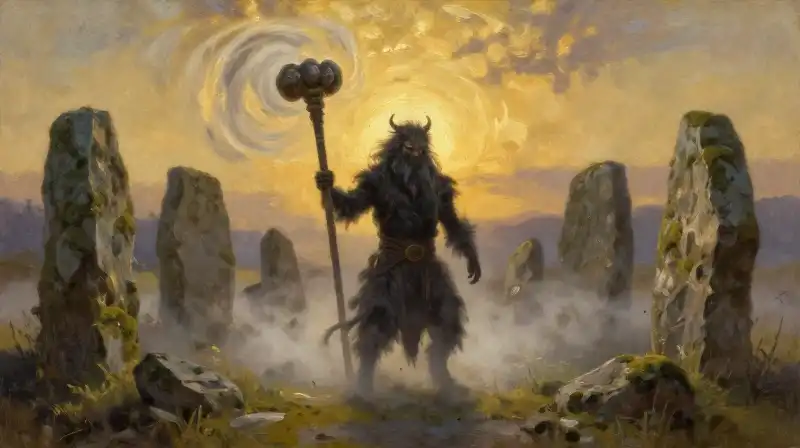
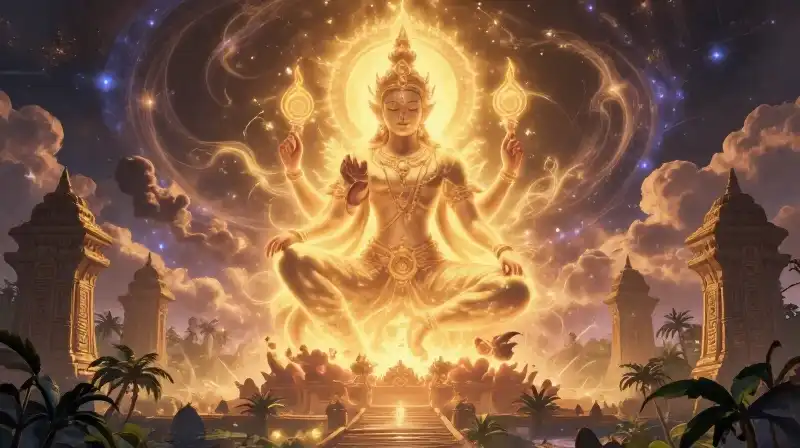
At the apex of the Tagalog pantheon is Bathala, the supreme creator god. 1 describes Bathala not merely as a distant being, but as an enormous, primordial force possessing dominion over the great natural phenomena, including thunder and earthquakes. Bathala’s role is cosmic and governing; he presides over the Kaluwalhatian, the ancient Tagalog Skyworld, where the lesser deities operate. The structure is not monolithic; the divine lineage and specific attributes of figures like Apolaki vary depending on the specific oral or written source referenced by scholars 1.
This hierarchy establishes a fundamental order. Unlike many monotheistic concepts, the Tagalog system integrates a Supreme Being with a multifaceted array of specialized deities. Below Bathala, the pantheon is populated by figures whose roles are often tied directly to the survival and prosperity of the community. This focus on specialized roles—like agricultural blessings and atmospheric control—demonstrates how closely ancient Filipinos observed and interacted with their immediate physical environment.
The Gods of Sustenance and the Divine Feminine
Life and prosperity are fundamentally tied to the earth, and the divine often embodies these forces. Ikapati, for instance, is revered as a key deity associated with cultivated land and the bounty it provides 1. Scholars note that Ikapati embodies a multifaceted nature; while primarily identified with agriculture, she is also recognized as a major fertility deity, sometimes even represented by a hermaphroditic image 1. This suggests a deep cultural understanding of life, growth, and fertility beyond simple gendered roles.
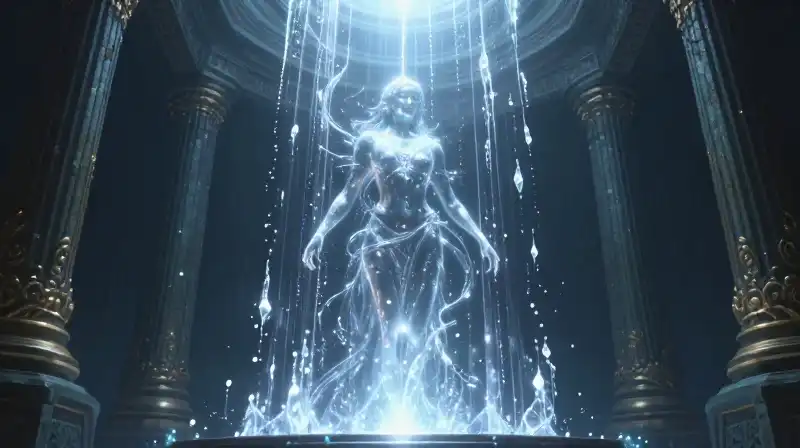
The divine feminine holds immense power in the Filipino mythology, governing everything from celestial bodies to personal relationships. Mayari, who governs the moon, is one of Bathala’s three daughters—alongside Tala (stars) and Hanan (morning)—and is described as a charming and significant celestial figure 1. Furthermore, the role of guardians of love and conception is held by figures such as Dian Masalanta. She is specifically revered as the goddess of love and lovers, highlighting the importance of familial and romantic life within the cultural framework of Tagalog society (1, 2).
Moral Compass and the Balance of Retribution
A defining characteristic of these myths is the strong emphasis on ethics and community standards. The divine sphere acts as a moral regulator, ensuring that society adheres to a specific code of conduct. This belief manifests in concepts related to final judgment and fate. 1 details a system where good souls are destined for Maca, while the wicked face Kasanaan, a realm overseen by figures of punishment.
This cultural focus on both reward and retribution is also expressed through the deities of negative concepts. The mythology includes entities like the sitan, who act as demons of punishment, and Mangagauay, a goddess associated with disease 1. These figures are not simply representations of evil; they are integral parts of a balancing act—a cosmological feedback loop that illustrates the community’s preoccupation with maintaining social and spiritual equilibrium.
Variations Beyond the Tagalog Realm
While the Tagalog pantheon provides a specific, rich narrative, it is vital to recognize that the Philippines is a patchwork of diverse indigenous groups, each with its own localized belief systems. Broad Philippine mythology encompasses groups like the Ifugao, Apayao, and various Igorot tribes, each possessing unique legends and specific deities 1.
For instance, while the Tagalog narratives focus on Bathala and the moon, the Ifugao Wooden Idol represents the intensely localized religious practices of mountain communities, providing a tangible link to indigenous traditions beyond the lowland realm 1. These variations demonstrate the organic evolution of local traditions; sometimes, figures like Amanikable, initially a god of hunters, later evolved in specific narratives to become an ill-tempered sea deity, driven by narrative shifts rather than religious dogma 1.
Synthesizing the Sacred: Love, Life, and Ancestry
The enduring relevance of these figures lies in their capacity to represent human experience. The mythology is flexible, allowing for new narratives to emerge that reflect changing societal values, whether through the evolution of a sea god or the elevation of a fertility deity. When asking, “Who is the Filipino god of love?” the traditional answer points to Dian Masalanta 1, a figure who speaks directly to the human heart. When inquiring, “Who are the Filipino gods and goddesses?”, the answer is a vast network of specialized power, from Bathala’s cosmic might to Ikapati’s pastoral care 1.
Ultimately, the Tagalog and Philippine myths are a testament to an ancient intellectual tradition that viewed the divine not as a system of strict law, but as a living, breathing extension of nature, morality, and community. Understanding these gods and goddesses means grasping the Filipino commitment to balance: the balance between harvest and drought, between celestial grace and necessary retribution, and between the grandeur of the sky and the intimacy of the human heart.
References
Footnotes
Frequently Asked Questions
Who are the Filipino gods and goddesses?
The traditional Filipino pantheon includes the supreme creator Bathala, alongside specialized deities such as Ikapati, who is revered for agriculture and fertility, and Mayari, who governs the moon. Other prominent figures include Dian Masalanta, the goddess of love, and various nature spirits, diwatas.
Who is the Filipino god of love?
Dian Masalanta is specifically revered as the goddess of love and lovers, playing the role of a guardian of love and conception within Tagalog society.
Related Articles