Understanding Norways Folklore: Trolls, Draugr, and Elves

Introduction
Norwegian folklore is more than a collection of ancient stories; it is a rich tapestry of cultural identity woven into the very landscape and communal rituals of the Nordic people. From the fears of the sea to the hidden beauty of the forest, these traditions describe a worldview where nature, magic, and the line between the living and the dead are porous. When people ask about the mythical creatures in Norway, they are not just seeking a list of beasts, but rather seeking to understand how these figures—the formidable *Draugr*, the mysterious *Huldra*, and the ancient *Elves*—reflect the historical, spiritual, and regional complexity of the Norwegian experience 1. To understand this folklore is to understand the cultural dialogue between those who respect the wilderness and those who navigate the modern world.
The Guardians of the Landscape and the Depths
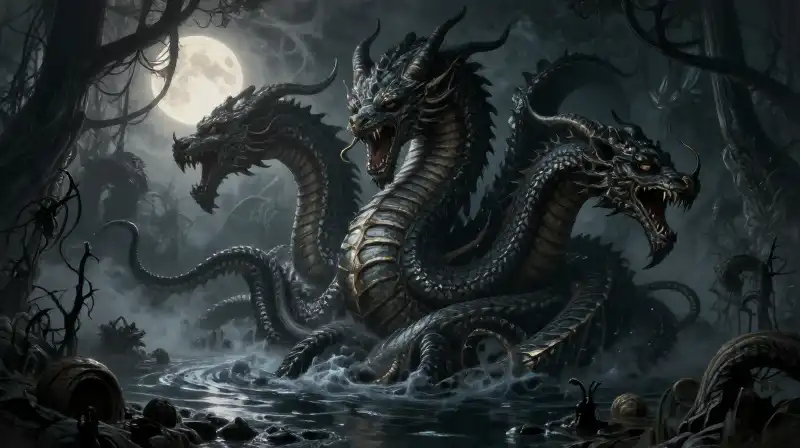
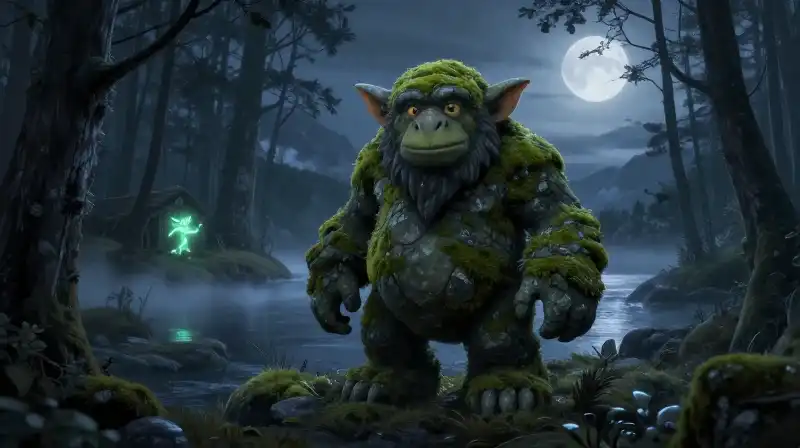
Norwegian legends define the environment as a living character, often imbued with personality or danger. This concept is most palpable in the mountains, where local traditions suggest the very peaks and terrain are inhabited by beings like **trolls** 1. These tales are deeply integrated into the national narrative, suggesting that the landscape itself is a repository of ancient stories. The wilderness, however, harbors figures with different temperaments. In the myths, the **Huldra** (also known as *Skogsrå* or *Skogfru*) serves as the archetypal dangerous forest seductress. She lures men with her irresistible charm, representing the primal mystery of nature, though she is typically recognized by a distinguishing mark, such as a long tail of a cow or a fox 1. A similar tradition exists for the **Skogsfrun** (the forest maiden) in certain parts of Denmark and Sweden, demonstrating the wide reach of these narratives across the Scandinavian peninsula. While the landscape is filled with such figures, the most unsettling entities are those linked to death and the underworld. The **Draugr**, a malevolent revenant, stands out as a potent symbol of the unquiet dead 1. A *land draugr* may be a buried undead spirit, but the terrifying *havdraug* (sea draugr) poses a specific, visceral threat, often carrying a sign of impending drowning for mariners 1.
Rituals of Remembrance and Appeasement
The relationship between the communities and these powerful figures is often one of respect and calculated appeasement. In Norwegian cultural tradition, for example, the spirits of the deceased and other powerful entities require consideration during the winter months. Practices include leaving specific food and “draug-beer” out on Christmas night as a ritual to keep these spirits from becoming malicious or troublesome 1. This ritual practice transforms the theoretical threat of the undead into a tangible, culturally mandated interaction with the spiritual realm.
Differentiated Myth: Giants, Trolls, and Subsets of the Underworld
To gain a complete picture of Norwegian and broader Norse mythology, it is helpful to distinguish between various classifications of powerful beings. The **Jötnar** (Giants) represent a broader category in Norse mythology, symbolizing chaotic forces of darkness and the harsh winter, existing in inherent conflict with the gods 1. The **trolls**, while part of this broader mythological tradition, are a specific subset of beings, often rooted in regional folk traditions rather than solely the grand epic scale of the Jötnar 1. The complex world of the undead also includes variations based on regional lore. In Faroese mythology, the inhabitants of folklore often manifest in the form of creatures inhabiting mountains and hills 1. Meanwhile, Sámi traditions offer a different perspective, where the spirit of a drowned person, similar in concept to the *draugr*, is depicted as a being capable of dragging others down to their fate 1. These regional nuances reveal how a single mythical theme—death and danger—adapts to the specific geographic and cultural context of its community.
The Ambiguity of Elves and Ancient Classification
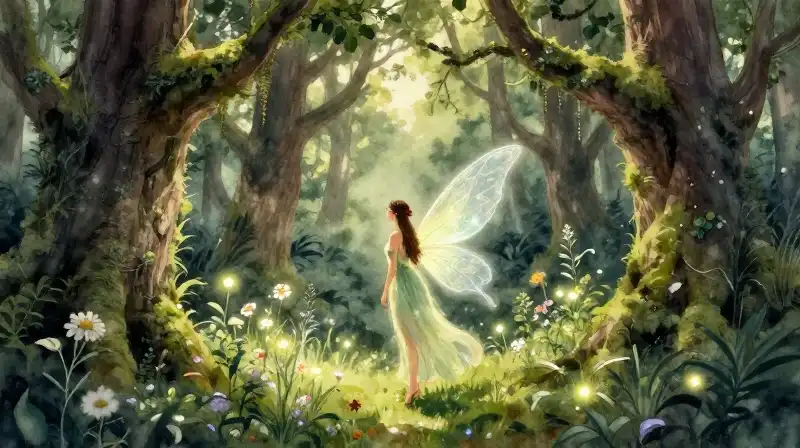
The figure of the **Elves** is one of the most enduring and intriguing parts of the Scandinavian lore, though its history is marked by evolution and debate. In ancient texts, Elves were described as beautiful and otherworldly, possessing a deep connection to magic and skills 1. However, later traditions, particularly in parts of Denmark and Sweden, often blurred the distinction between Elves and the dangerous seductive forces of the Huldra 1. Ancient sources suggest Elves were a fluid race, not rigidly defined by gender. Nevertheless, later classifications attempted to categorize them into *Dökkálfar* (Dark Elves) and *Ljósálfar* (Light Elves). Modern scholarship, however, cautions against these specific categories, viewing them as later human interpretations that conflict with the fluidity suggested in older traditions 1.
Cultural Expression: The Halling and the Human Connection
While mythical creatures hold a powerful narrative place, Norwegian cultural identity is also physically manifested in its communal traditions. The **Halling** dance is a prime example of how culture channels its energy and history. This acrobatic and energetic movement is performed primarily by men during gatherings, serving as a public display of physical strength, skill, and community cohesion 1. This tradition grounds the folklore in the reality of communal life, showing that the strength and spirit admired in the mythical figures are also sought in the human participants in living culture.
Living Heritage and Modern Significance
While the specific tales of *Draugr* and *Elves* are often viewed as artifacts of the past, their impact extends globally, having achieved worldwide recognition through their incorporation into modern fantasy genres and international storytelling 1. Yet, for Norwegian communities, these stories retain their local resonance. The way these tales are integrated into a national identity—seeing mountains as holding ancient tales, celebrating the specific rituals surrounding the dead, and performing dances that honor tradition—proves that this is not merely folklore to be collected. It is a dynamic, living heritage that continues to shape a sense of place, community, and respect for the natural and spiritual world.
References
Footnotes
Frequently Asked Questions
What are the mythical creatures in Norway?
The mythical creatures found in Norwegian folklore include the formidable Draugr, the mysterious Huldra, and the ancient Elves. Additionally, regional traditions suggest the landscape is inhabited by beings such as trolls.
Who are the 12 in Norse mythology?
The provided article does not mention a group of 12 in Norse mythology. It discusses various entities such as Elves, Jötnar, trolls, Huldra, and Draugr.
How to Perform Norwegian Appeasement Ritual
Identify the Spirits
Identify the spirits of the deceased or other powerful entities that require consideration, typically during the winter months.
Select the Timing
Select Christmas night, which is the traditional time for these rituals.
Prepare Food Offerings
Prepare specific food items intended as an offering to the spirits.
Prepare Draug-Beer
Prepare 'draug-beer,' a special beverage for the spirits.
Place the Offerings
Leave the specific food and 'draug-beer' out to appease the spirits and keep them from becoming malicious or troublesome.
Related Articles