Greek Gods: Understanding the Olympians and Their Ancient Roles

Introduction
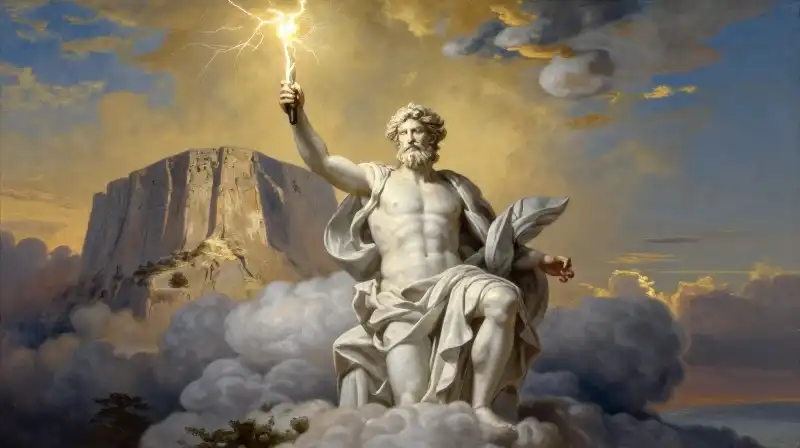
To understand the world through the lens of ancient Greece is to grasp the intricate relationship between humanity and its spiritual life. The concept of the Olympians—the twelve primary deities of the Greek pantheon—is far more than a simple list of powerful figures; it was a living social and cosmological framework that shaped how communities in antiquity celebrated, governed, and viewed their daily existence. For those seeking an understanding of the original Greek gods, the Olympians represent the culmination of a complex, dynamic tradition, embodying the transition from primordial forces to a functional, civilized hierarchy. The story of these gods is a narrative of supremacy and change. According to 1, the Olympians established their dominion following a decade-long conflict, defeating the previous generation of rulers, the Titans. Their eventual residence upon Mount Olympus served as a physical manifestation of their order, yet the structure of this belief was surprisingly fluid and regionally distinct.
From Primordial Forces to the Twelve Olympians
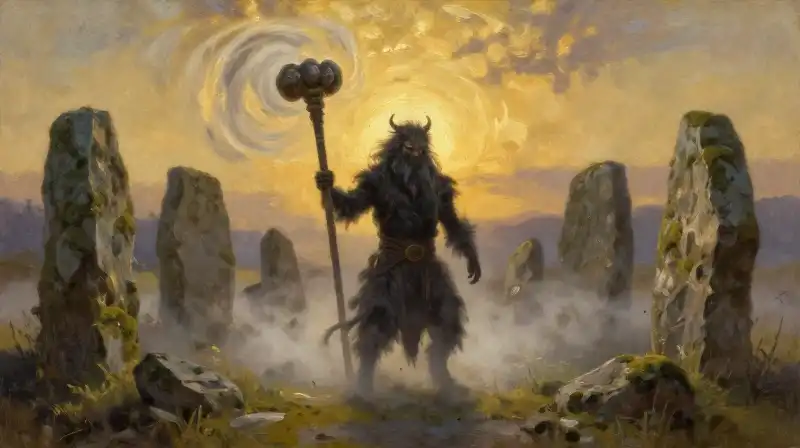
Before the formalized council on Mount Olympus, the Greek spiritual landscape was populated by the Titans—such as Gaia and Uranus. These earlier figures represented the foundational, often wilder forces of nature, establishing the initial hierarchy 1. However, the rise of the Olympians marked a pivot toward order and civic structure. While the twelve deities became the culturally recognized standard for the mainstream pantheon, it is important to recognize that the tradition was not rigid. Local Greek communities often incorporated non-Olympians, such as the Titan parents Cronus and Rhea, into their cultic groupings, suggesting that localized practices held significant weight alongside the central narrative of Olympus 1. A critical distinction in this traditional worldview was made between the Olympian rulers and those whose influence was geographically distant. For instance, Hades was generally excluded from the Olympian designation because his influence was centered in the realm of the distant underworld, a realm considered removed from the vibrant, public sphere of Mount Olympus 1.
The Gods of Daily Life: Functional Archetypes
What truly defines the complexity of the Greek pantheon is that the gods were not just abstract beings; they were specialized agents who regulated human society. According to 2, the Greek gods were often categorized by the essential functional roles they played in the lives of ancient people. This taxonomy reveals how deeply integrated the tradition was into the mechanics of daily living. * **Theoi Agoraioi (Gods of the Marketplace):** This class, led by Zeus and Athena, governed the public assembly and the marketplace. They represented the civic and intellectual life of the community, influencing governance and strategic thought 1. * **Theoi Gamelioi (Gods of Marriage):** Overseeing domestic unions and family life were Zeus, Hera, and Aphrodite. Their influence extended over social customs surrounding partnership and domestic order 1. * **Theoi Mantikoi (Gods of Prophecy):** Figures like Apollo bridged multiple cultural domains—music, healing, and prophecy. This illustrates the multifaceted nature of the tradition, where arts and divine guidance were inseparable 1. * **Theoi Nomioi (Gods of the Countryside):** Gods such as Artemis and Hermes presided over the natural environment and the vital activities of hunting and the countryside 1. * **Theoi Halioi (Gods of the Sea):** King Poseidon led this group of maritime divinities, reflecting the essential role of the sea in the communities that inhabited the Greek landscape 1.
The Fluid Nature of Divinity in Practice
The membership of the Olympian pantheon was not a static list preserved in perpetuity. The tradition demonstrated a capacity for evolution based on merit or circumstance. A clear example is Heracles, who was granted a permanent seat among the Olympians after his apotheosis—a cultural transition from mortal hero to divine figure 1. This demonstrates that the community could expand its pantheon to include figures who earned such a transformative status. Culturally, the expression of worship varied significantly by region. While the Olympians were typically honored at a formal altar, some traditions emphasized the difference between the Olympian deities and the chthonic gods (those associated with the earth or underworld) based specifically on the mode of sacrifice offered 1. This regional difference highlights that the Greek spiritual life was a tapestry of local customs woven together by a shared central mythology.
Addressing the Origins: Who Were the First Greek Gods?
For seekers asking who the very first Greek gods were, the answer lies not with the Olympian council but with the primordial forces themselves. According to 1, the initial mythological framework included the children of Gaia (Earth) and Uranus (Sky). While figures like Zeus and the Olympians became the recognized rulers, the traditions of the earliest Greeks acknowledged the more primal, foundational deities from whom all later gods descended. The process of cultural understanding, therefore, moves from the abstract (the primordial chaos and foundation) to the structured (the Olympians, who represent established order).
Understanding the Tradition Today
To truly understand the Greek gods, one must view them as powerful cultural archetypes rather than mere mythological characters. They are tools through which ancient communities sought to explain social hierarchies, the cycles of nature, the consequences of morality, and the mechanisms of their daily survival. The diverse functional roles—from the “God of the Marketplace” to the “God of the Sea”—underscore a belief system that was deeply practical, where the divine was seen as an active participant in human life. The Olympian structure, with its mix of formalized hierarchy, regional variation, and acknowledgment of chthonic and non-Olympian kin, provides a rich model of how a culture integrates powerful, complex beliefs into the fabric of its society. The story of the Olympians is, ultimately, a story of human organization expressed through the divine.
References
Footnotes
Frequently Asked Questions
Who were the very first Greek gods?
The earliest Greek gods were the primordial forces, specifically the children of Gaia (Earth) and Uranus (Sky). These foundational deities established the initial hierarchy from which all later gods descended.
Related Articles