Greek Gods on Naxos: The Myths of Zeus and Dionysus

Introduction
For those who seek to understand the fabric of a culture, the islands of the Aegean offer not just picturesque landscapes, but living libraries of history and devotion. Naxos, a vibrant Greek community steeped in the ancient past, provides a rich example of this confluence. The myths surrounding the powerful Greek deities Zeus and Dionysus are not merely bedtime stories on this island; they are foundational narratives that inform Naxian identity, shaping everything from their celebrated viticulture to their sacred geography. When we examine the myths of Naxos, we discover a tradition where the divine is intimately tied to the land, the seasons, and the enduring spirit of the people. This article explores how the enduring stories of these gods translate into a meaningful cultural heritage that is still alive today.
The Guardian on the Peak: Zeus and the Sanctuary of Zas
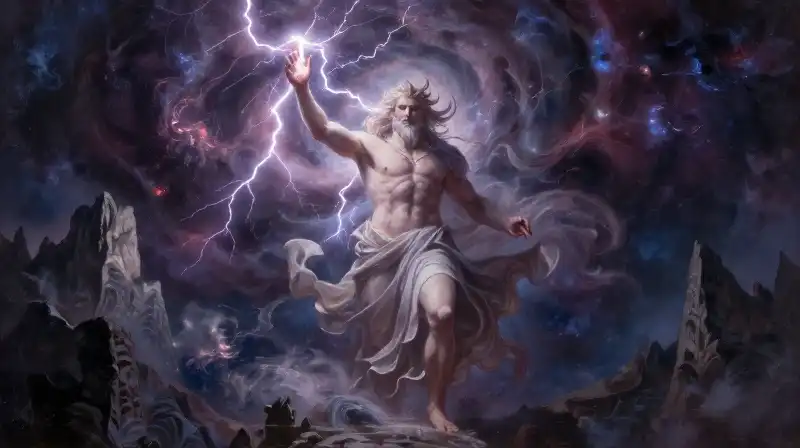
Among the core traditions of Naxian heritage is the veneration of Zeus, who is locally known as Zeus Eubouleus. Unlike distant Olympian figures, the narrative of his early life is deeply rooted in the island’s physical geography. According to local tradition, Zeus was brought up on Naxos after being abducted from Crete, finding a home in the cave of Zas, perched atop the island’s highest peak (1, 2). This connection gave the mountain itself a sacred status, as Zas was dedicated to Zeus.
The relationship between the deity and the local community was one of necessity and devotion. Historically, accounts indicate that the people of Naxos would ascend this mountain, even during periods of extreme scarcity or severe drought, seeking divine intervention. Their prayers were for cool winds and protection, illustrating how the myth translated directly into the survival and well-being of the community 1. This tradition suggests that the gods were seen not as purely abstract figures, but as active protectors of the landscape and the people living within it. Thus, while Zeus may not have lived there in a mortal sense, his presence and influence are eternally felt on the island’s highest mountain, serving as a perennial symbol of protection for Naxians (1, 2).
The Spirit of the Grape: Dionysian Life and Ancient Festivals
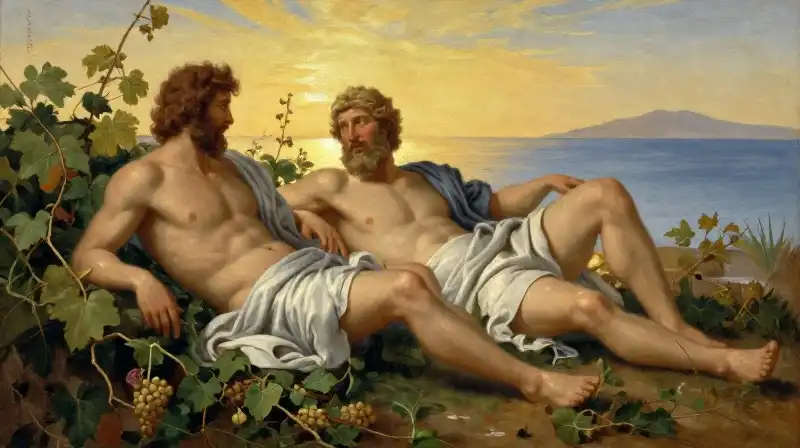
If Zeus represents the guardian of the peak, Dionysus embodies the soul of Naxian excellence and communal joy. The god of wine, revelry, and exuberant growth has carved out a particularly prominent role in Naxian culture (1, 2). The influence of Dionysus is arguably most visible in the island’s renowned status as a place of superior viticulture. The myth ties the Naxians to this expertise, positioning them as beneficiaries of the god’s spirit, which inspires the cultivation of high-quality vines (1, 2).
The local religious observances of Dionysus solidified into the “Ancient Dionysia.” Plutarch documented this practice, which involved structured games and sacrificial rites held twice a year, marking the spring and autumn harvest seasons 1. This tradition was far more than a holiday; it was a structured cultural cycle designed to honor the bounty and ensure the fertility of the land. Furthermore, the cultural practice of the Apocreos—a form of masquerades and dancing linked to ancient Dionysian revelry—shows how the abstract mythological themes were translated into tangible, vibrant community life 1.
Love, Fate, and the Nine Stars: The Ariadne Narrative
Naxos is also the stage for one of the most specific and romantic mythological encounters: the story of Dionysus and Ariadne. According to the myth, the god’s involvement with Ariadne, the daughter of Minos, is exclusively linked to Naxos. The narrative dictates that the hero Theseus was compelled to anchor his ship on the island, and under the influence of the god, he was forced to leave her (1, 2). In a profound act of blessing or fate, Dionysus gifted Ariadne a brilliant crown composed of nine stars 1. This stellar gift is said to have been placed in the sky, permanently linking Naxos, the goddess of the moon, and the cosmos itself 1.
This localized narrative is significant because it moves beyond the grand, universal myths to ground divine intervention in a specific location. The crown of nine stars remains a potent local symbol, symbolizing not just romantic legend but the divine blessing bestowed upon the island’s heritage. The presence of these interconnected tales speaks to the island’s deep connection to Minoan Civilization and the wider ties to Asia Minor, where these narratives trace their roots 1.
A Mosaic of Deities: Apollo, the Name, and the Pantheon
While Dionysus holds a special place, it is crucial to understand that the Naxian reverence was not limited to him. The wider Naxian pantheon included the worship of many primary Olympian deities, such as Demeter, Artemis, and Apollo (1, 2). This broad devotion is most visibly symbolized by the massive ‘Portara’ (the famous gateway), which, though incomplete, stands as the island’s most iconic structure and a profound emblem of the reverence paid to Apollo, the god of light and music 1.
The confluence of these ancient cultures also informs the debate over the island’s very name. Scholarly records and local mythographers present conflicting theories regarding its origin. Some suggest the name derived from King Naxos of Caria in Asia Minor, while other traditions propose a link to the son of Apollo and Akali, the daughter of King Minos 1. These various historical and mythological threads underscore how Naxos functions as a crossroads—a place where disparate ancient cultures met, intertwined, and created a unique local identity 1.
How These Myths Shape Naxian Identity
Ultimately, understanding Greek mythology on Naxos is not about cataloging names and stories; it is about understanding the living cultural practices that have persisted for millennia. The narratives teach the Naxian people to connect their lives to the sacred. When a local celebrates a harvest, they are tapping into the legacy of the Ancient Dionysia 1. When they look toward the mountain, they recognize the protective presence of Zeus on Zas (1, 2). And when they engage with the island’s deep history, they acknowledge the sophisticated connections to earlier civilizations and the broader Mediterranean world 1.
These myths provide a powerful framework for cultural resilience and regional pride. For the modern traveler or resident, recognizing the cultural weight of these narratives transforms a simple destination into a site of deep heritage. By studying the tales of Zeus and Dionysus on Naxos, one gains a genuine understanding of a community whose spirit—one of celebration, endurance, and dedication to excellence—is rooted in the very myths that shaped their land.
References
Footnotes
Frequently Asked Questions
What happened on Naxos?
Naxos is a site where the myths of Zeus and Dionysus form the foundation of its culture, notably featuring Zeus raised on the sacred Zas peak and the Dionysian traditions tied to its superior viticulture. The island is also the setting for the myth of Dionysus and Ariadne, where the god gifted Ariadne a crown composed of nine stars.
Did Zeus live on Naxos?
According to local tradition, Zeus was brought up on Naxos and found a home in the cave of Zas, perched atop the islands highest peak. However, the text specifies that while his presence and influence are eternally felt on the mountain, he may not have lived there in a mortal sense.
Related Articles