Scary Folklore Monsters: From the Norse Mare to Typhon

Introduction
Folklore often provides a cultural map of human vulnerability. The mythical creatures of global lore are not merely figures of fright; they are often potent, narrative embodiments of a community’s deepest fears: the anxiety of the unknown, the consequences of transgression, or the sheer, overwhelming force of cosmic indifference. From the ancient Mesopotamian judgment of souls to the quiet dread that haunts a sleeping home, these terrifying figures serve as powerful mirrors for the cultural anxieties of the people who believe in them. To understand a specific monster is to understand a specific cultural warning—a narrative anchor for shared values and boundaries.
The Micro-Horror: Spirits of Personal Dread
Not all terror operates on a cosmic scale. Some of the most persistent folklore focuses on highly localized, intimate threats that exploit human vulnerability—those that enter the domestic space or target the individual’s most private moments. This type of localized fear often highlights social taboos or personal fragility. One such spirit is the Norse Mare, a demonic entity said to infiltrate homes by sneaking through keyholes. Unlike grand external threats, the Mare operates on the psychological plane, purportedly inducing terrifying nightmares based on the sleeper’s deepest personal fears 1. This suggests a cultural focus on mental and emotional security within the domestic sphere. In Japanese tradition, the dread can take the form of the Jorogumo, a deadly hybrid spider. Its danger is not merely physical; it is tied to a terrible biological metamorphosis. Upon reaching the age of 400 years, the spider gains the power to shapeshift into an alluring woman, using beauty to lure and eventually consume human flesh 1. This creature reflects fears surrounding deception and the danger hidden within apparent innocence. Similarly, the Penanggalan of Malay myth embodies the terror of the betrayed. Once a mortal woman who broke a specific pact, she was cursed to have her head detach from her body at night. Flying and trailing her viscera, she becomes a hunter that specifically targets pregnant women and infants 1. These myths highlight the cultural fear of consequence and the disruption of the natural order, especially concerning family life.
The Macabre and the Memory: Accumulated Fear
Some horrifying figures are not born of demonic pact or physical mutation, but emerge from the collective memory of suffering. The Japanese Gashadokuro serves as a profoundly unsettling example of this phenomenon. This entity represents the accumulated spirits of human bones from catastrophic mass deaths—such as those caused by famine or warfare. These spirits coalesce into a massive, silent skeletal figure that stalks the living, seeking to decapitate victims 1. Unlike the individual threats described above, the Gashadokuro is a physical embodiment of societal trauma, transforming collective grief and historical pain into a relentless, reviled presence. Similarly, the Mesopotamian figure Lamashtu reflects the ancient fears surrounding maternal vulnerability. Depicted with multiple threatening features, such as two skulls over her breasts, Lamashtu terrorized vulnerable populations. Her actions—causing miscarriages and kidnapping infants to devour their blood—tapped into a culture’s deep-seated anxieties regarding reproductive safety and infant mortality 1.
The Titans of Myth: Primal and Cosmic Threats
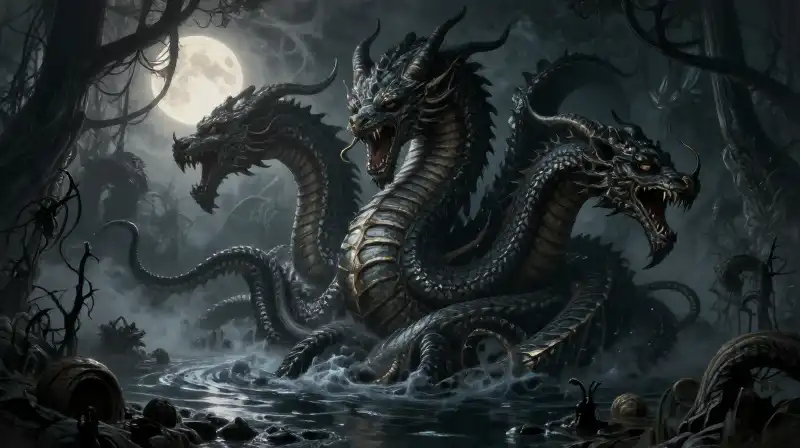
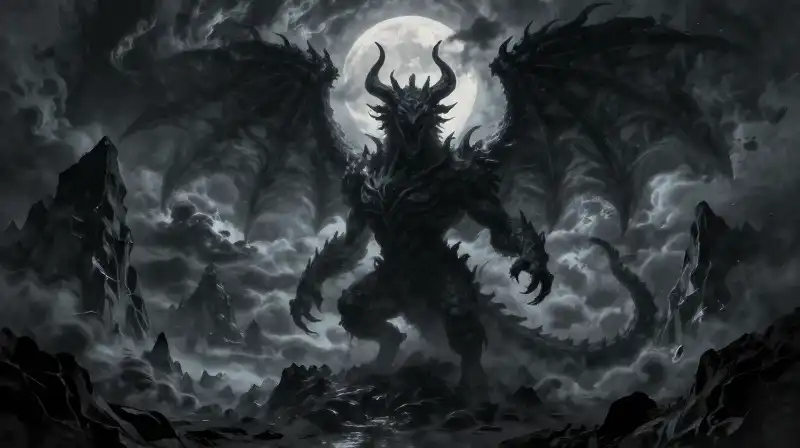
While the preceding myths focus on human-scale fears, the great mythological epics of the Mediterranean culture often concern vast, primal forces—beings that represent the fundamental chaos of existence against the order of the gods. In Greek mythology, Typhon is recognized as a colossal monster, composed of a man’s upper body and hundreds of snakes for a lower half. He is regarded as the most terrifying monster within the tradition 1. His significance lies in his role as a primary threat to Zeus; he was imprisoned in Tartarus. The ongoing potency of this creature is linked to the natural world, with his rage reportedly correlating to the volcanic activity of Mount Etna, positioning him as a personification of elemental, uncontrollable power 1. Other creatures represent the overwhelming forces of nature. The Hydra, a gigantic, water-dwelling serpent, possesses a regenerative ability where new heads sprout after each one is severed and features poisonous blood 1. Meanwhile, the Ammit of Egyptian mythology fulfills a vital cultural role as the “Devourer of the Dead.” With the head of a crocodile, the body of a lion, and the rear of a hippopotamus, Ammit served as the ultimate consequence: consuming the hearts of the unworthy during the judgment of the soul to prevent eternal bliss 1. These beasts remind the adherent that beyond human judgment, there are colossal, immovable forces of fate and consequence.
Transgressions and Visceral Warnings: Creatures of the Threshold
Some folklore transcends simple monster definition by linking its danger to specific actions or geographical places, turning the landscape itself into a narrative warning. These creatures highlight the dangers of ignoring boundaries or failing to respect specific local traditions. Specific to certain local traditions, the Redcap is seen not just as a figure of fright, but as an embodiment of danger tied to particular ruins, suggesting that simply trespassing on these sites is an act of peril 1. The concept of the Krasue, in some cultures, is unique because it is not simply a creature, but a person who has suffered a transformation into a horrific diving entity 1, representing a personal tragedy pushed into monstrous form. The most visceral examples of terror often involve highly disturbing or visceral physical descriptions. Creatures like the Nuckelavee or the Manananggal are cited by devotees specifically for their profoundly gruesome physical depictions 1. These monsters often exist at the edges of known reality, embodying physical extremity. Even the less famous, localized figures, such as the Koffa or Laka-Koffa, a “Mistress of the Lake” in Sweden’s Lake Vänern, show how culturally specific fears materialize around particular geographical features 1.
The Living Function of Dread
Across these disparate global traditions, from the Kraken or Leviathan that inspire grandeur to the Koffa that warns of local danger, the narrative function of the frightening monster remains consistent. They act as cultural guardrails. They are the mechanism through which communities process collective grief (Gashadokuro), enforce moral boundaries (Penanggalan/Lamashtu), and articulate the terrifying power of the unknown (Typhon). The enduring power of these terrifying myths lies in their ability to transform abstract fear—of death, of the social order breaking down, or of the unpredictable natural world—into a concrete, narratable form that the community can discuss and understand. They are not relics of a primitive past, but vibrant threads in the tapestry of how humans interpret danger.
References
Footnotes
Related Articles