Dia de los Muertos Decorations: What to Include in Your Ofrenda

Introduction
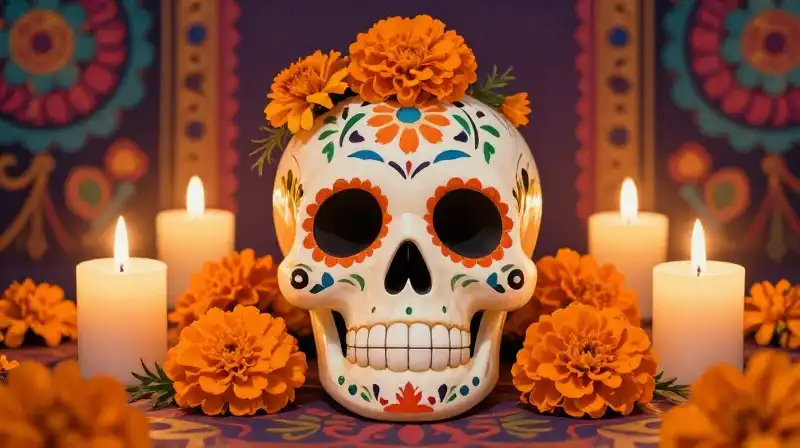
The Day of the Dead, or *Día de los Muertos*, transcends its modern associations with Halloween. For the communities that practice this rich tradition, it is fundamentally a celebration and a joyful act of remembrance for friends and family who have passed away 1. Rather than a somber commemoration of loss, the holiday is culturally understood as honoring the continuity of life. The centerpiece of this observance—the temporary home altar known as the *ofrenda*—serves as a bridge, a highly personalized invitation meant to welcome and honor the dearly departed 1. Decorating an *ofrenda* is not merely about selecting pretty items; it is a ritualistic practice of storytelling, memory, and shared cultural identity. The specific elements used on the altar reflect the unique relationship the family has with their ancestors and the regional traditions of Latin America. Understanding what belongs on an *ofrenda* requires looking beyond a simple list of decorations, focusing instead on the symbolism and the intent behind each piece.
The Function of the Ofrenda: A Bridge for the Ancestors
The *ofrenda* is far more than a decorative display; it is a complex, four-dimensional space designed to facilitate communication and celebration with the spiritual realm. According to 1, the primary purpose of the altar is to create a safe, hospitable environment for the spirits to return home. Each element placed upon it has a purpose—some offer sustenance, others offer guidance, and many serve to reflect the joyful nature of life, even after death.
Core Elements: Food, Sustenance, and Memory
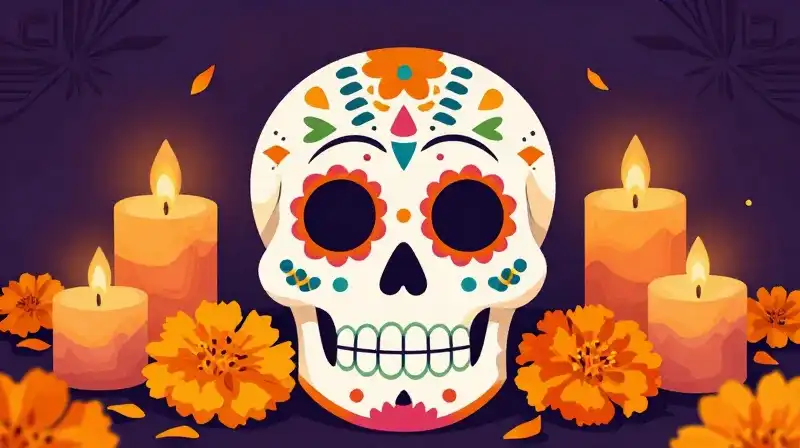
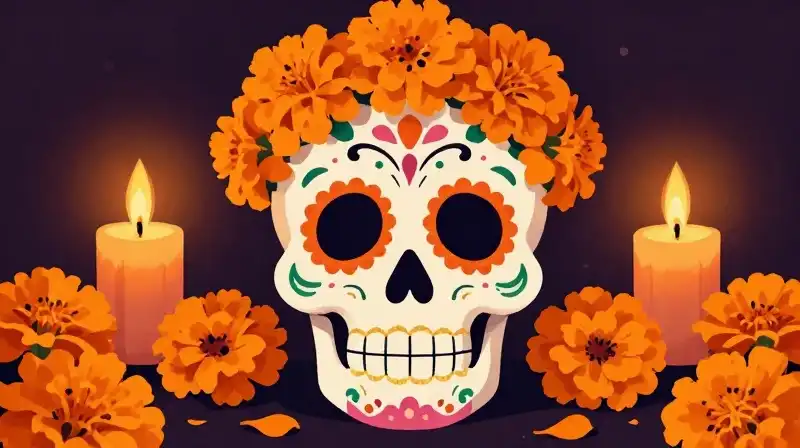
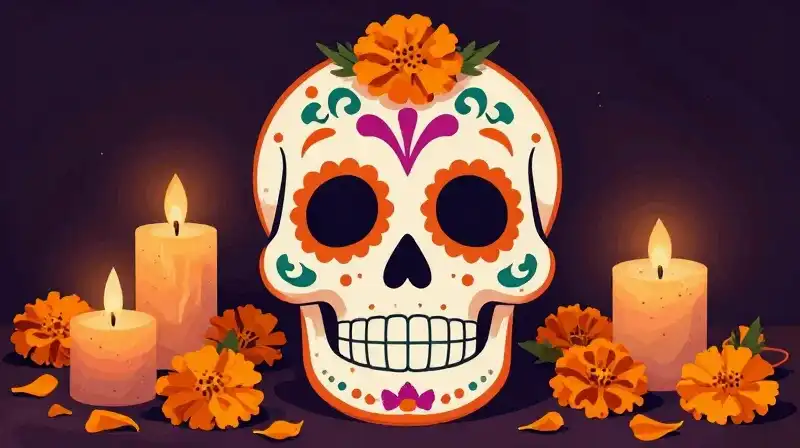
At the heart of any authentic *ofrenda* are the offerings that were loved in life. These materials are practical, but they are imbued with deep meaning. The deceased’s favorite food and drink are essential components, including fruit, bread, tequila, and candies 1. These items are provided not just as symbolic tribute, but as a genuine way to nourish the returning spirit. Beyond the physical goods, the decoration includes powerful symbolic representation. The colorful masks and figures associated with the holiday, particularly the handcrafted skeleton figures known as *calacas*, convey an active and joyful existence after death (1, 2). These figures represent life embracing death, rejecting the notion of a quiet or fearful passing. The sugar skulls are prominent features, symbolizing the cycle of life and death in a celebratory, vibrant fashion 1.
Symbolism Through Art and Structure: Paper Picado and Calacas
The visual language of *Día de los Muertos* relies heavily on vibrant color and careful craftsmanship. One of the most recognizable decorative elements is *papel picado*. This traditional paper cut features intricate, translucent designs, and its use creates a brightly colored, festive canopy over the *ofrenda* and the surrounding area 1. The delicate, pierced nature of the paper itself symbolizes the ephemeral nature of life and memory. Alongside the *papel picado*, other characteristic decorations such as tin ornaments and bright figurines contribute to the atmosphere of festive welcome 1. The presence of these items, combined with the offerings, transforms the area into a rich, sensory experience where the past and the present meet.
How to Decorate the Ofrenda: Addressing the Question of Meaning
When considering what to include, the focus shifts from generic holiday supplies to the personal narrative of the ancestors. The question of what “should” be decorated on the Day of the Dead isn’t answerable by a single guide, as the practice is deeply regional 1. However, the intent remains consistent: to honor the loved one’s life. Key elements that help a visitor or practitioner understand the tradition include:
- The incorporation of *papel picado* to signal a space of celebration and welcome 1.
- The placement of specific, personal items—be they a favored snack, a book, or a song—to invite the spirit into a familiar environment.
- The use of *calacas* or similar figures to emphasize the continuity of life and the joyous nature of existence after passing 1.
- The inclusion of various offerings, from staple foods like bread and fruit to celebratory spirits like tequila 1.
The Living Tradition: Community and Global Presence
While the tradition is rooted deeply within Latin American cultures, its story is also one of movement and evolution. Though its ties are strong across various regions, it has seen a significant expansion of recognition and practice within the United States and other parts of the world 1. This broader visibility highlights the tradition’s enduring appeal. Despite its regional origins, the core spirit of the holiday—the idea that memory keeps the deceased alive—remains a powerful, universal cultural experience 1. Whether celebrating in a local community gathering in a cemetery or assembling a home *ofrenda* in a distant corner of the globe, the act of remembrance remains the heart of the practice.
A Synthesis of Meaning and Context
The *Día de los Muertos* is not a time to look backward in sorrow, but to engage fully with the memory of those who came before. The decorations—the colorful *papel picado*, the sweet treats, the lively *calacas*—are tools that help shift the mood from somber to celebratory. The *ofrenda* is a tangible expression of a worldview that embraces the continuous cycle of existence. By understanding the meaning behind each decorative item, the observer moves past the surface-level celebration and begins to appreciate the profound respect, love, and cultural commitment woven into the fabric of this extraordinary heritage.
References
Footnotes
Frequently Asked Questions
What do they decorate on the Day of the Dead?
They decorate an ofrenda with the deceaseds favorite food and drink, such as fruit, bread, and tequila. Decorations also include symbolic elements like calacas and sugar skulls, vibrant papel picado, tin ornaments, and specific personal items.
How to Decorate a Day of the Dead Ofrenda
Incorporate Papel Picado
Include papel picado to signal a space of celebration and welcome over the altar and surrounding area.
Place Personal Items
Place specific, personal items—such as a favored snack, a book, or a song—to invite the spirit into a familiar environment.
Use Symbolic Figures
Use calacas or similar figures to emphasize the continuity of life and the joyous nature of existence after passing.
Include Essential Offerings
Include various offerings, ranging from staple foods like bread and fruit to celebratory spirits like tequila, to nourish the returning spirit.
Related Articles