
Authentic Celtic Symbols for Strength: History vs. Modern Interpretation

Introduction
The contemporary quest for meaningful symbols often leads to the search for “universal truths”—a single glyph, knot, or design that perfectly encapsulates complex concepts like strength, love, or resilience. For those drawn to Celtic heritage, this search often directs them toward images circulating online as the definitive “Celtic symbol for Strength.” However, for those who live and study these traditions, the idea of a single, universally recognized Celtic symbol for strength is a subject of significant debate. Celtic symbology, like many ancient languages, does not function through isolated icons; its power lies in the interconnectedness of its forms. Unlike modern Western emblems, the ancient Irish, Scottish, and Insular designs were often integrated into narrative art, carved into stone, or interwoven into complex patterns. Consequently, the “strength” of a Celtic symbol is rarely found in one distinct form, but rather in the underlying concepts of continuity, eternity, and enduring human spirit that the patterns themselves represent. This article explores the critical distinction between the popular, often modernized, interpretation of these symbols and the nuanced reality of ancient cultural practice.
The Continuity of Form: Celtic Design and Meaning
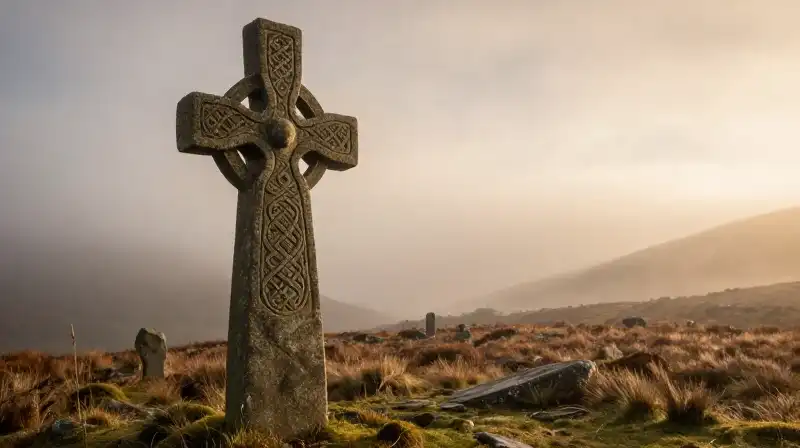
To understand what it means to seek a symbol for “unbreakable” strength in a Celtic context, one must first understand the philosophy of the Celtic knot. These designs are defined by a singular, unbroken line that loops back upon itself, most often without a visible beginning or end. This structure itself is perhaps the most powerful symbol in Celtic art, representing cyclical nature, eternal life, and the unending flow of existence. The concept of strength here is not aggressive or martial; it is deep-seated, persistent, and enduring—a force that sustains itself even as it cycles through change. The ancient practice of creating these designs was often a meditative or symbolic act, imbued with specific regional meanings. While there was no official “Celtic symbol for strength” documented in a centralized historical record, the patterns often served as visual mnemonics for important life events, familial bonds, or deep spiritual commitments. When individuals today search for a “Celtic symbol for courage” or “inner strength,” they are engaging with a living heritage that prizes the resilience reflected in the knot’s design over a single, isolated glyph.
Decoding the Modern Search for Meaning
The contemporary digital landscape has dramatically altered how people engage with historical symbology. Social platforms, Pinterest, and search engines provide immediate, searchable answers to questions like “What is the Celtic symbol for strength?” Yet, the resultant imagery is often a collection of modern reinterpretations. As noted in digital dialogues, many symbols found online may be modern recreations or specific artist’s “sigils” rather than designs rooted in an established, ancient tradition 1. This creates a profound confusion for the seeker: is the image being viewed a legitimate historical design, or a modern interpretation influenced by an aesthetic rather than an ancient meaning? The debate extends to the authenticity of the designs themselves. While the *Triquetra* (the three-cornered knot) is widely referenced today as a potent symbol for concepts like unconditional love, eternity, and stability, its exact original function across different regions remains a subject of academic study 1. Similarly, modern motifs are often drawn from established, recognizable styles, such as the Dara knot, and sometimes integrate elements that borrow from other cultural traditions, creating a rich but complex tapestry of blended influences 1.
Beyond the Knot: Symbols of Endurance and Protection
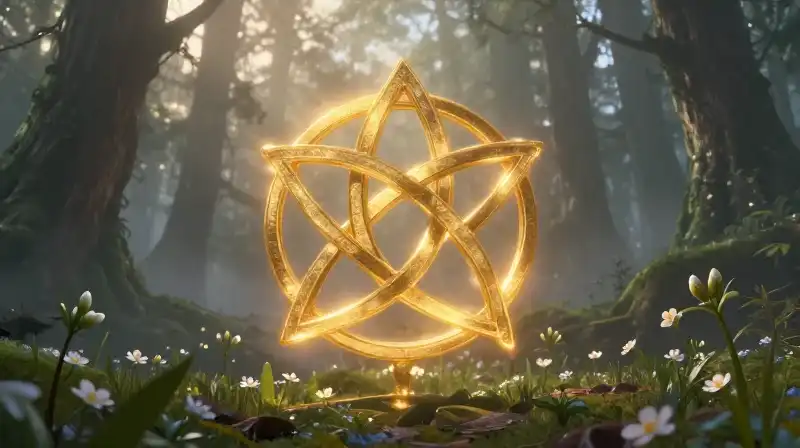
If the goal is to find a symbol that resonates with modern notions of “unbreakable” qualities, the community often looks to patterns that imply cyclical continuity and protection. The Triquetra serves as a powerful example, representing the trinity—whether of life, love, or the interconnected realms of mind and spirit—and thereby offering a sense of enduring stability and commitment. However, it is important to understand the distinction between “proper” Celtic design and highly stylized contemporary versions. Traditional Celtic design is generally characterized by its seamless continuity and intricate weaving, whereas contemporary versions often prioritize visual impact and personal style. Some discussions highlight the tension between these two approaches, where the desire for a strong personal statement through body art may lead to the adoption of modern art that lacks deep historical context 1. Furthermore, some research even suggests that certain widely popularized symbols may derive their roots from outside the Celtic sphere entirely, with one user noting claims that a specific symbol might be of “Polish” rather than Celtic origin 1. This underscores the reality that cultural influence is a fluid, global phenomenon, and “living culture” involves constant exchange, not just static preservation.
Navigating Authentic Engagement in the Modern Age
For the reader who wishes to move past surface-level identification and engage genuinely with Celtic heritage, the most useful approach is to shift focus from “what is the symbol” to “what does the tradition represent.” A genuine understanding requires acknowledging the tension between the ancient historical symbology and the vibrant, evolving modern interpretations. When looking to represent personal meaning through these forms, it is essential to temper artistic vision with historical consideration. This involves differentiating between:
- Traditional Design: Patterns characterized by the unbroken line, circular movement, and regional characteristics tied to specific historical periods.
- Modern Interpretations: Stylized, often symmetrical, or bold versions designed for contemporary aesthetics and personal expression.
Ultimately, the desire to adopt these symbols is a deeply human one—a desire to connect to a feeling of protection, strength, or love. The community conversation surrounding these symbols shows a collective effort to maintain the integrity of heritage while acknowledging how digital media has popularized designs that may lack deep historical rooting. By understanding that Celtic strength is found in the enduring, cyclical nature of its artistry rather than a singular, rigid glyph, one can move beyond the search engine and connect with the tradition as a dynamic, living narrative. Whether expressed through the intricate weaving of a knot, or the simple elegance of a Triquetra, the core meaning remains the powerful concept of continuity.
References
Footnotes
Frequently Asked Questions
What is the Celtic symbol for unbreakable?
The Triquetra is mentioned as a powerful example of a symbol offering a sense of enduring stability and commitment, while the Celtic knot itself represents strength through its unbroken, cyclical design.
What is the Celtic symbol for strength and unconditional love?
The Triquetra, or the three-cornered knot, is widely referenced as a potent symbol for concepts such as unconditional love, eternity, and stability. This symbol represents the trinity, whether of life, love, or the interconnected realms of mind and spirit, offering a sense of enduring commitment.
Related Articles