Seollal Traditions: Unpacking Korean Lunar New Year Customs and Meanings

Introduction
Seollal, the Korean Lunar New Year, is much more than a break in the calendar; it is a profound cultural anchor that connects the Korean people—whether living in Seoul, Busan, or across the global diaspora—to their ancestral roots, community values, and sense of identity (1, 2). Marking the first day of the Korean lunisolar calendar, this festival embodies the core values of respect, unity, and gratitude. Far from a simple holiday, Seollal is a meticulously structured social and spiritual practice, offering families a vital opportunity to pause, acknowledge their lineage, and reaffirm their place within a collective heritage.
Ancestral Reverence: The Ritual of Respect
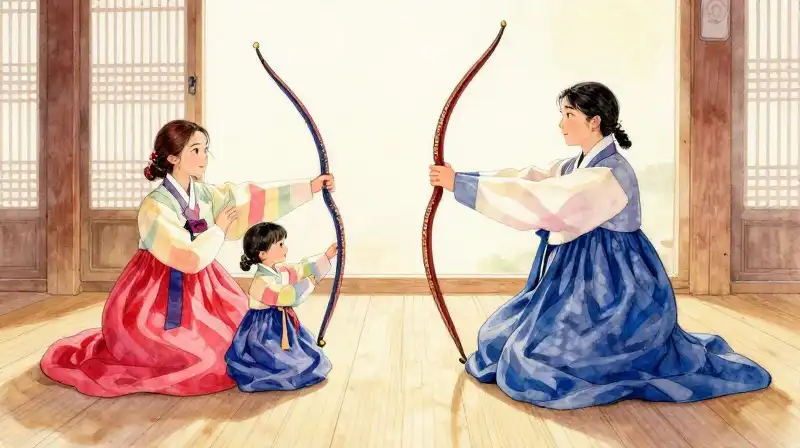
The heart of Seollal lies in its reverence for ancestors. This is a principle deeply ingrained in Korean culture and Confucian philosophy. The central ritual is *Charye*, a formal ancestral rite. During *Charye*, families prepare and arrange meticulous tribute dishes (known as *shilla*) on the altar. This is not merely a decorative display but a respectful offering intended to honor the deceased ancestors and seek their ongoing protection and guidance for the year ahead (1, 2). Following the ancestral rites, familial respect is enacted through *Sebae*. This tradition requires younger members of the family to approach their elders and perform deep bows, signifying a profound acknowledgment of wisdom and position. It is a practice of hierarchical deference, rooted in traditional Confucian customs (1, 2). To reinforce this bond of respect, elders often reward the younger generations with *sebaedon*, small amounts of money, which serves as a tangible token of blessing and affection (1, 2). The importance of these formal duties is often emphasized through the wearing of *hanbok*, traditional Korean attire. The vibrant colors of the *hanbok* are deliberately chosen to represent harmony and prosperity during these highly formal rituals (1, 2).
The Language of the Table: Food and Symbolism
The feast prepared for Seollal is as symbolic as the rituals themselves. Food serves as a narrative, telling stories of purity, prosperity, and new beginnings (1, 2). * **Tteokguk (Rice Cake Soup):** This is perhaps the most iconic dish. Eaten on the first day of the new year, *tteokguk* symbolizes purity and a fresh start. Its round, coin-like slices hold deep symbolic meaning, representing wealth and fortune. According to cultural practice, a young child’s age is traditionally determined by the number of slices of *tteokguk* they eat that day, marking a significant milestone (1, 2). * **Jeon and Japchae:** Other essential components of the table include *Jeon*, savory pancakes, and *Japchae*, stir-fried noodles mixed with beef and vegetables. While these dishes are deeply traditional, some contemporary families may simplify their preparation due to modern constraints of time or resources, adapting the traditions to fit a busy contemporary lifestyle (1, 2). Beyond the formal ceremony, Seollal traditionally acts as a massive, vital social gathering. For many, the holiday necessitates traveling great distances from urban areas to return to their hometown families, a period spent catching up with extended relatives and, most importantly, grandparents (1, 2).
Community and Shared Joy Beyond Ritual
After the formal ancestral duties and the solemnities of family respect are fulfilled, Seollal transforms into a vibrant community celebration. The focus shifts from reverence to shared enjoyment through traditional folk games. These games allow community members to interact, compete, and socialize in a relaxed, joyful atmosphere. Among the most popular historical games are:
- Yutnori: A board game involving intricate throwing and moving mechanics.
- Jeongichagi: A traditional stick-clapping and rhythmic game.
- Neolttwigi: A simple game focused on accuracy.
These activities ensure that Seollal is not solely defined by its formal obligations but also by its role as a collective social experience that strengthens the communal bond 1.
History and Resilience: Seollal’s Modern Context
The contemporary celebration of Seollal is heavily influenced by the political and historical shifts in Korea. For a long time, Seollal suffered periods of repression. During the Japanese colonial period, which spanned 1910 to 1945, the Japanese administration actively suppressed traditional cultural practices, banning the celebration and instead pushing the Gregorian New Year, known as *sinjeong*, as the recognized start of the year 1. The enduring cultural drive for Korean identity was rooted in the successful re-establishment of Seollal. Following the liberation of Korea, the cultural resurgence prioritized the revival of indigenous traditions. The government eventually cemented Seollal’s status by designating it the official Korean New Year. This institutional recognition reaffirmed its status as a deeply held cultural heritage and helped ensure its survival and prominence 1. This history of repression and subsequent revival underscores the resilience of the Korean community. For ethnic Koreans in the diaspora, Seollal acts as a potent connection to that cultural memory, bridging geography and generations (1, 2).
Living Seollal in the Modern Era
Seollal is currently a dynamic tradition, shaped by the interplay between the old values of Confucian respect and the demands of modern life. While the core elements of *Charye*, *Sebae*, and *Tteokguk* remain fundamental, the *how* of the celebration is flexible. The intensity of the travel to see family can now be moderated by digital connectivity, though the fundamental desire to gather at the family home remains the driving force. For those navigating these traditions outside of Korea, whether in the US or elsewhere, Seollal offers a profound entry point into Korean culture, but it requires an understanding that it is a practice of living values—respect for the past, reverence for elders, and dedication to communal harmony—rather than merely a list of decorative customs (1, 2). Seollal teaches the participant that new beginnings are always measured not just in the future, but in the respectful acknowledgment of the people and traditions who came before them.
References
Footnotes
How to Observe Traditional Seollal
Prepare Ancestral Offerings
Prepare and arrange meticulous tribute dishes (known as shilla) on the altar.
Perform Charye
Execute Charye, the formal ancestral rite, to honor the deceased and seek their protection.
Enact Familial Respect (Sebae)
Have younger members of the family approach their elders and perform deep bows (Sebae) to signify respect.
Receive Blessings
Accept sebaedon (small amounts of money) from elders as a tangible token of blessing and affection.
Consume Symbolic Foods
Eat Tteokguk (rice cake soup) on the first day of the new year to symbolize purity and a fresh start.
Gather and Celebrate
Participate in community activities and traditional folk games like Yutnori or Jeongichagi to enjoy the shared social experience.
Related Articles