Exploring the Worlds Most Unusual Mythical Creatures

Introduction
Mythical creatures are often dismissed as mere fanciful definitions, charming footnotes to histories or folklore. However, for the communities that carry these traditions, a figure like the Ashiaraiyashiki or the Selkie is not just a monster; it is a cultural barometer. These beings—from the winged beasts of ancient Persia to the snow-bound ghosts of Japanese highlands—serve as living symbols, reflecting a society’s fears, its moral codes, and its spiritual boundaries. Exploring these creatures is not merely an exercise in taxonomy; it is an attempt to understand how humans attempt to map the chaos of the world and categorize the forces of good, bad, and the truly unknown.
When we look across global traditions, we find that the intent behind these figures is rarely singular. A monster might represent a dangerous lack of hygiene, a tragic human longing, or a fundamental lesson in moral accountability. By examining the narrative power of the unusual mythical creatures, we uncover the shared human need to create meaning in the wilderness—be it the wild ocean of Gaelic legends or the silent, snowy landscapes of Japan.
Myth as Moral Compass: Accountability and Transformation
In many world traditions, the monstrous transformation or the attack of a supernatural entity is a direct reflection of a human failing or a deviation from expected social norms. The Wampus Cat, a prominent Native American hybrid, exemplifies this principle. According to the folklore, its appearance stems from a curse delivered after a woman utilized a cougar skin for spying, illustrating a clear narrative where human actions lead to monstrous, uncontrollable transformation 1. The Wampus Cat serves as a powerful, cautionary tale about the corrosive nature of deceit.
In contrast, the Selkie of Gaelic myth offers a more complex, heartbreaking reflection on human desire and societal constraint. This figure, capable of shifting between being a seal in the sea and a human on land, is intrinsically linked to themes of longing and forbidden love. The narratives often revolve around a forced marriage resulting from a man stealing a seal coat, illustrating how powerful shifts in identity or belonging can result in profound tragedy 1. These myths force the listener to consider the pull between the natural and the civilized, the domestic and the wild.
Guardians and Societal Boundaries: The Japanese Mythological Landscape
Japanese folklore offers a fascinating intersection of the ethereal and the domestic, where creatures are often defined by their relationship to purity, hygiene, or the state of being within a home. One example is the Ashiaraiyashiki, an “unclean foot demon.” This entity is not a random scourge; it is specifically defined as attacking a house unless its inhabitants perform an act of cleansing—a ritualistic washing 1. This creature serves as a powerful, localized guardian of spiritual and physical order, teaching a culture the value of cleanliness and ritual as a means of maintaining harmony.
However, not all beings in Japanese folklore are malevolent. The Baku, described as an elephant-sized, fluffy creature, holds profound cultural significance in its ability to devour nightmares and dreams 1. This creature functions as a psychological protector, offering comfort against the subconscious fears of the sleeper. Conversely, other figures manage the boundaries of human existence. The Yuki-Onna, a ghost of a woman who died in the snow, is driven by a desperate need to avoid loneliness, luring travelers to their demise 1. Here, the mythological creature is less a monster and more a tragic figure, representing existential solitude and the dangers of the isolated environment.
This spectrum is further complicated by creatures that simply perform tasks, such as the 小豆洗い (Small豆洗い), who is noted for washing red beans without attacking or cursing anyone 1. These subtle distinctions reveal a deep cultural reverence for the spectrum of spiritual energy—from the frightening to the mundane, from the deadly to the benign.
The Medieval Imagination: Exotic Encounters and Universal Allegory
The European tradition of mythical creatures often served as a vessel for theological debate, the mapping of the known world, and the negotiation between classical philosophy and burgeoning Christianity. Medieval European texts were filled with beasts that both inspired fear and profound reverence 1.
Creatures like the Unicorn (or Monoceros) held immense religious weight. They were not merely beautiful animals but symbols of the Virgin Mary and were frequently employed to parallel narratives related to the crucifixion of Jesus 1. The Unicorn represented purity and the ultimate elusive virtue. Conversely, the introduction of creatures like the Manticore (from Persian legends) and the Monopods (from Ethiopia) in classical texts like those by Pliny the Elder demonstrated the historical mechanism of exotic folklore spreading across vast continents, acting as a literal and metaphorical map of the known and unknown world 1.
Later, the philosophical debates surrounding these figures continued. The Hircocervus, a theoretical blend of a deer and a goat, was a subject for thinkers like Aristotle and Plato, with its first English mention appearing in a 1398 manuscript 1. This shows that these creatures were not just story prompts; they were intellectual problems for philosophers trying to categorize the nature of life itself.
Unseen Figures: Wisdom and Power
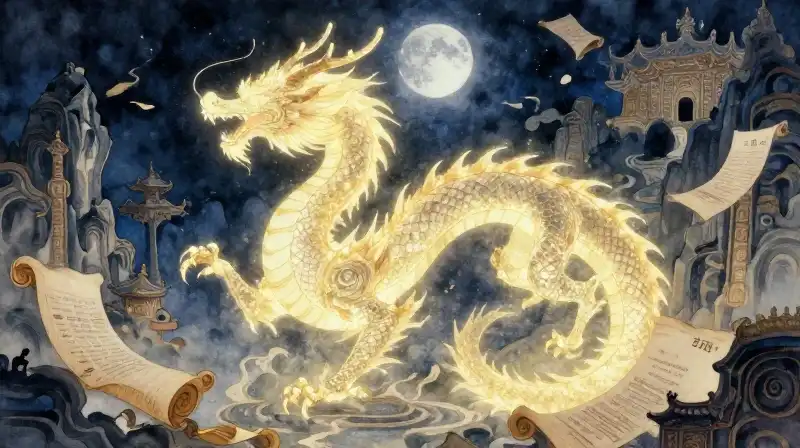
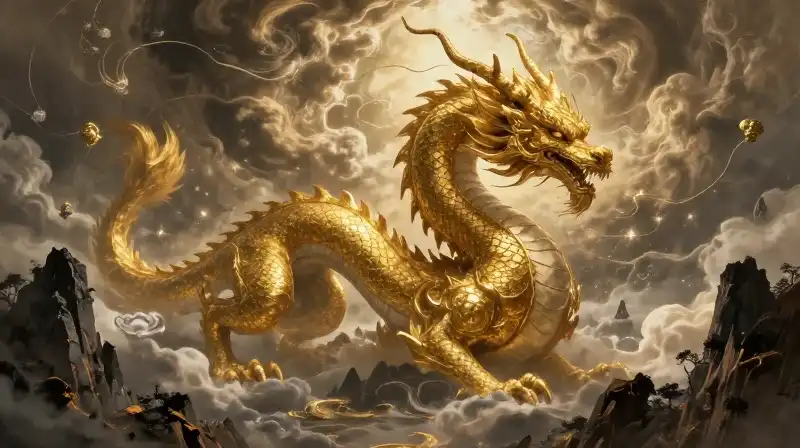
Beyond the cautionary tales and the theological allegories, some creatures embody raw power or benevolent guardianship. The Kirin, or Qilin in Chinese mythology, is a scaled and furred deer regarded as a powerful good omen, even possessing the ability to set itself alight 1. It represents cosmic harmony and blessed fortune. Similarly, the Karkadann, originating in Indian and Persian lore, is a rhino-like beast whose horn is believed to possess potent healing powers, earning it the title “Lord of the Desert” 1. These figures emphasize cultural belief in restorative power residing within the natural world.
The world of legendary beasts is also one of cultural judgment. Classical accounts document the Cynocephali, or dog-headed people. It is important to note that this term, as described in ancient texts, was often used metaphorically to suggest a perceived lack of civilization in certain regions like Africa, rather than describing a literal physical feature 1. The mythical creature, or the descriptor of a non-human people, thus becomes a tool for projecting cultural biases onto the perceived “other.”
Other regional wonders continue to hold specific cultural meaning. The Raijū, a small blue rodent linked to the sound of thunder and possessing lightning powers, serves as a powerful emblem of untamed natural force in Japanese culture, even inspiring modern media 1. In Irish traditions, the Enfield is an eagle-fronted, fox-bodied creature whose origins trace back to a period when such powerful imagery was incorporated into aristocratic crest decorations 1. Whether through spiritual guardianship, tragic love, or moral warning, these unusual mythical creatures continue to serve as vital archives of human experience.
The Persistence of Narrative: Myth in a Modern Age
Why do these stories endure? The persistence of figures like the Baku or the Selkie demonstrates that human culture finds endless ways to process complex emotions—fear, loss, desire, and the search for order. They remind us that the line between the believable and the symbolic is thin, and that every deep human feeling can find a physical form in the wild, fantastic imagery of our ancestors.
To genuinely appreciate these traditions is to look past the definitions. It requires understanding that the creature’s existence is contingent upon its cultural function. Whether it is policing the hygiene of a home, reminding a woman of the weight of a moral choice, or offering solace against the terrors of the night, these myths are living practices. They are the heartbeat of heritage, proving that the stories we tell about the strange and powerful—the unusual mythical creatures—are exactly what make our communities whole.
References
Footnotes
Related Articles