The Most Powerful Mythical Creatures Across World Mythology

Introduction
In the study of world mythology, the concept of “power” is rarely measured by physical strength alone. For the communities who hold these beliefs, the mythical creatures that embody overwhelming force—be they giant monsters, wise spirits, or transformative beasts—are mirrors reflecting the fundamental anxieties, aspirations, and environmental relationships of their societies. This collection of legendary figures across cultures is not merely a database of monsters; they are cultural anchors, defining what it means to be mighty, chaotic, benevolent, or destructive within a specific tradition. The pursuit of “most powerful” creatures often leads to a simple ranking, but a deeper understanding reveals that power in myth is always contextual. A creature’s might might signify cosmic disorder in one culture, environmental protection in another, and prosperity in a third. To genuinely understand these traditions is to grasp the function of the creature: what essential truth about a culture does this being serve?
The Weight of Chaos and Destruction
Perhaps the most visceral understanding of power comes from entities whose existence challenges the established order. These beings represent forces that are untamable, indifferent to human progress, and capable of vast, disruptive change. When these figures appear in lore, they often serve as reminders of the limitations of human control and the persistence of wild nature. In the halls of Greek cosmology, the Hecatonchires and the Titans embody a scale so gargantuan their conflicts defined the early world, representing foundational forces in ancient disputes 1. Similarly, Fenrir, the colossal figure in Norse mythology, is specifically depicted as an entity of immense destructive capacity, serving as a pre-ordained agent of ultimate chaos 1. When power is linked to sheer destructive scale, these entities serve as metaphors for uncontrollable natural forces, whether tectonic upheaval or the inevitable end of an era. Elsewhere, the Chimera from Ancient Greece exemplifies a different form of power: the chaos of hybridization. By combining disparate animal parts, it signifies an overwhelming, incomprehensible disorder that defies categorization 1. This focus on overwhelming, often malicious, force is echoed in certain aggressive guardians like the Taniwha of Māori mythology, who are understood to be large, formidable protectors whose intentions and methods vary widely depending on the specific tribe and regional lore 1.
Guardians, Luck, and Transformative Might
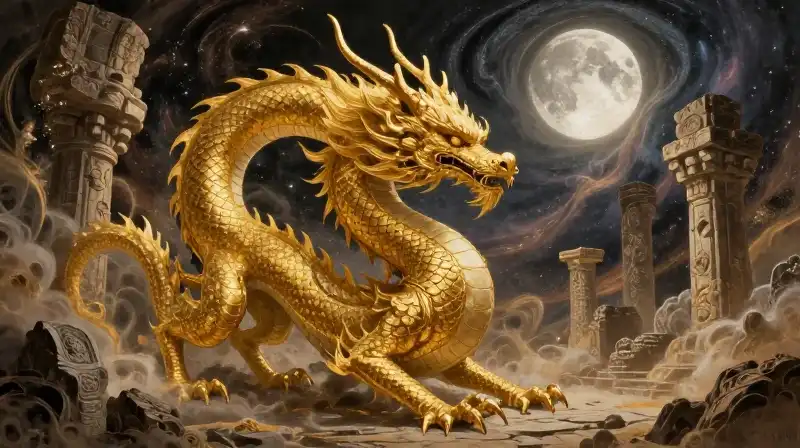
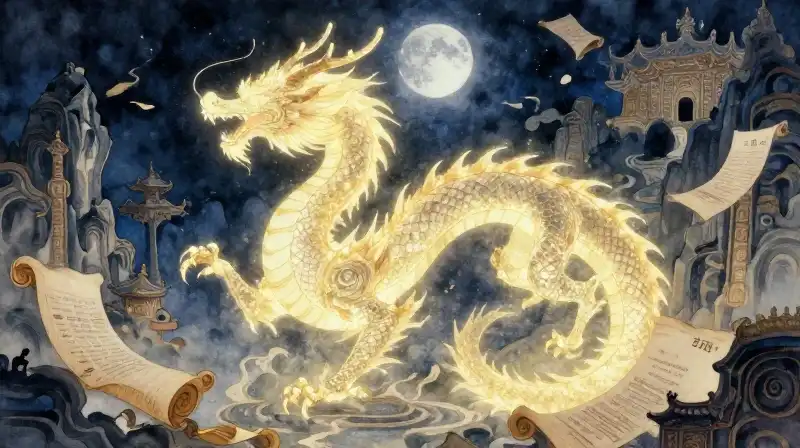
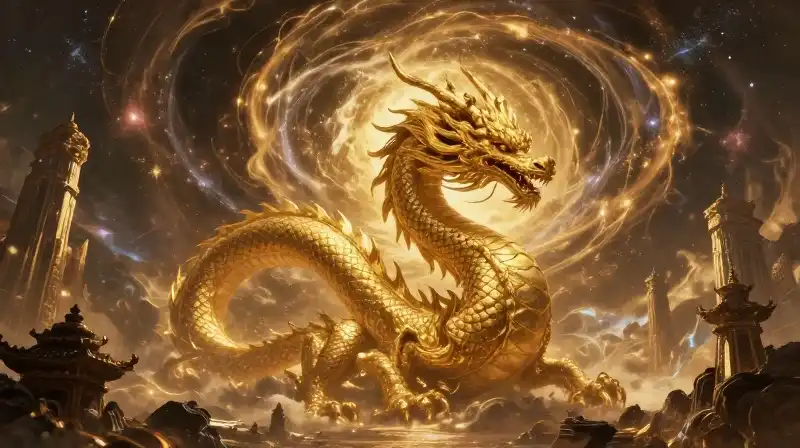
Beyond destruction, immense power is often channeled into protective, transformative, or auspicious roles. These mythical beings are not merely strong; they are wise, capable of guiding, or can change the fate of those who encounter them. Here, power is defined by influence and enduring quality. In Chinese tradition, the Naga are the prime example of a being whose strength is tied to its elemental connection to water, protection, and fertility across Hinduism, Buddhism, and Jainism 1. The Dragon, too, is not simply a fiery predator; it is primarily a symbol of prosperity, good fortune, and profound cosmic energy 1. These creatures embody powerful, beneficial forces that ensure balance and growth. Japanese folklore offers a distinct take through the Kitsune, or fox spirits. Their power is gradual, accumulating with age, allowing them the remarkable ability to shape-shift and control elements 1. This suggests a form of power that is internal, adaptive, and deeply tied to wisdom and experience rather than brute force. Likewise, the Qilin serves a distinct role as a harbinger of virtuous leadership, symbolizing the ability of power to be guided toward moral righteousness and cultural integrity 1.
Environmental and Local Manifestations of Power
When mythical creatures are grounded in local folklore, their power often translates into a direct reflection of the community’s interaction with the land and the sea. In these stories, the creatures are not just arbitrary monsters; they are powerful manifestations of local geography and environmental consequence. Consider the powerful creatures found along the Columbia River in Native American traditions. The narratives surrounding beings like Wishpoosh often connect the sheer scale of the mythical figure to local environmental impacts, such as the carving of the dramatic Columbia River Gorge 1. In these stories, power is inextricable from the landscape itself—the land can be seen as both a source of life and a home to immense, often challenging, spirits. Similarly, maritime cultures have given the ocean’s mystery a powerful voice. The Kraken, mythical sea monsters off the coasts of Norway and Greenland, represents the profound, untamed power and mystery of the deep ocean 1. For these seafaring communities, the power of the water is a subject of both awe and deep respect.
Power and Malice: Defining the Limits of Might
A crucial distinction in world mythology is recognizing that “powerful” does not always equate to “good.” Many of the strongest entities are defined by their capacity for tyranny, cunning, or destructive malice. This nuanced view prevents the simplistic categorization of mythological figures into “heroic” or “villainous.” The Persian Manticore, for instance, is understood in its folklore not just for its strength, but specifically for symbolizing tyranny and immense, often oppressive, power 1. This concept of power used for negative societal ends is also seen in the Djinn within Islamic mythology. Though capable of granting wishes, their motivations are noted as being unpredictable and not always benevolent, reflecting a nuanced power that is neither good nor evil, but a force of influence. In East Asian cultures, creatures like the Oni represent a potent form of power characterized by overwhelming physical strength, fierce appearance, and a pronounced penchant for malicious actions 1. Conversely, in the context of human ambition and supernatural power, the Ebigane of the Cameroonian folklore offers a different picture: ambiguous monsters that can shift between human and animal forms, appearing in heroic sagas and often serving as figures of transformation rather than pure malice 1.
The Enduring Search for Meaning in Myth
The persistence of these powerful mythical creatures, even when definitive scientific evidence for figures like the Himalayan yeti is absent, speaks to a profound cultural need for the unknown to be explained 1. Whether it is the overwhelming scale of the Greek Titans or the complex nature of the Kitsune, the enduring strength of these stories lies in their ability to translate the human experience of awe, fear, and reverence into tangible, narrative form. Ultimately, the most powerful creatures in world mythology are those that best explain the deepest truths about the world. They reflect the collective understanding of environmental limits, moral boundaries, and the inherent forces of creation and destruction. They remind us that while we may strive for order, the forces that define us—the powerful, chaotic, and miraculous—remain vital parts of our shared heritage.
References
Footnotes
Related Articles