Demogorgon Myth: Tracing the Evolution of a Creator to Demon

Introduction
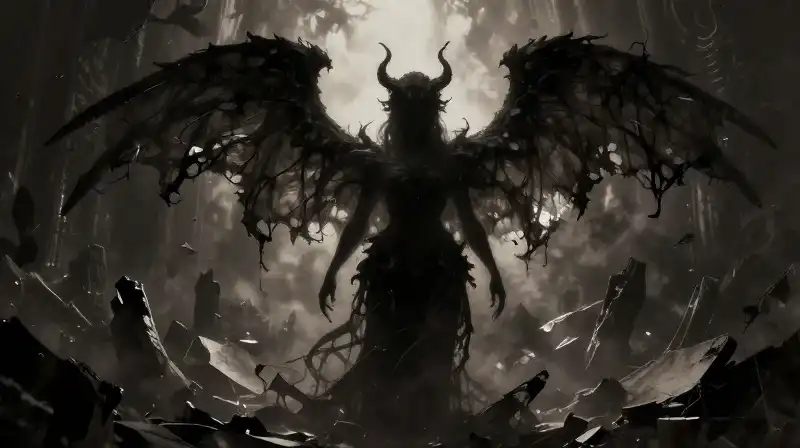
The figure of the Demogorgon is one of mythology’s most compelling examples of narrative metamorphosis. Rather than a static entity, the Demogorgon represents a linguistic and cultural chameleon—a figure whose designation has shifted from a “creator” of worlds to an embodiment of chaotic terror. For those interested in tracing the deep currents of folklore, this tradition is not merely a tale of a monstrous demon, but an exploration of how language can alter meaning. According to scholarly research, the figure’s name itself may be a “grammatical error” or misreading of the Greek word *dēmiourgón* (dēmiurge), a term meaning “the creator” or “the maker” (1, 2). To understand the Demogorgon myth is to witness a powerful concept traversing millennia, shifting from a concept of primal order to one of infernal might.
The Early Confusion: From Creator to “Demon-Gorgon”
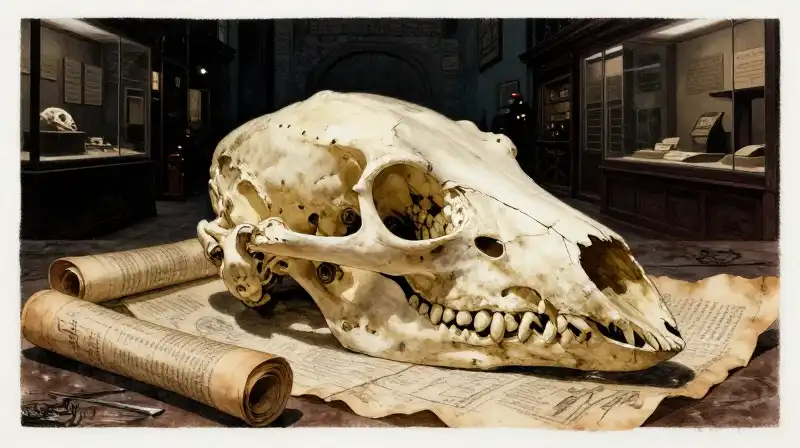
The earliest textual evidence for the Demogorgon is remarkably late, appearing in a fourth-century commentary by Lactantius Placidus on Statius’s *Thebaid* (1, 2). This initial appearance is noted in a highly cryptic context where a speaker refers to a “supreme being of the threefold world” whose name is deliberately withheld. This suggests that initially, the concept was one of mystery and profound power, rather than explicit demonhood (1, 2). The persistent ambiguity of the name fueled further interpretation. Scholars have debated several possible origins for the nomenclature, including a combination of words like *daimon* (‘spirit’) and *gorgos* (‘quick’), or perhaps *dēmos* (‘people’) combined with *gorgos* 1. The concept cemented its terrifying identity during the Renaissance and Early Middle Ages. In this period, figures like Boccaccio referenced texts that glossed the term as “Demon-Gorgon,” translating it to mean “Terror-Demon” or “God of the Earth” 1. This shift signaled a move from the quiet mystery of the early texts toward a more active, fearful portrayal of a primal entity.
Narrative Depth: Demogorgon in Epic and Allegory
As the figure became ingrained in narrative structures, the Demogorgon transitioned from a mere divine concept to a key player in grand storytelling, often serving as the boundary between established order and primordial chaos. In literary contexts, this evolution is deeply apparent. Ariosto’s *I Cinque Canti* provides a rich narrative tapestry, setting the Demogorgon within the mystical Imavo mountains where he summons the Fates and genii to account for the unfolding of destiny 1. Similarly, Spenser’s *The Faerie Queene* utilized the figure to represent ultimate darkness, identifying the Demogorgon specifically as the “Prince of darknesse and dead night” 1. Voltaire’s work offers another fascinating glimpse into this evolution. In his short story “Plato’s Dream,” he presents the Demogorgon as a “lesser superbeing” responsible for the creation of the Earth, directly echoing the classical concept of the benevolent Demiurge, but within a highly dramatic, fictionalized frame (1, 2).
The Figure in Religious and Modern Cultural Discourse
The Demogorgon’s influence extended into the theological landscape of Christian literature. Rather than being merely an ancient deity, he became a powerful figure in the hierarchy of the infernal underworld. Figures like Johann Weyer utilized him to depict a master of fate or a powerful being within the hierarchy of Hell 1. This usage demonstrates the incredible flexibility of the figure—able to be a creator, a master of destiny, or a lord of suffering, depending on the narrative needs of the era. In contemporary usage, the concept has continued to morph. While many modern enthusiasts look to myths to understand the figure’s origin, it is important to note that there is no specific cultural or Biblical reference to a “Demogorgon” in the Bible 1. In modern storytelling, and within fantasy genres like Dungeons & Dragons, the Demogorgon has been adopted as a character embodying chaotic or uncontrollable forces, often used as an epithet for primal, untameable entities 1.
Addressing Fundamental Questions About the Myth
A frequent question regarding the myth is how it originated. As detailed, the Demogorgon’s “origin story” is less a tale of birth and more a history of textual drift 1. It began as a subtle reference to a creator (possibly the *dēmiurge*) and through misreading or the stylistic choices of later chroniclers, solidified into a fearsome demon. Regarding its presence in the Bible, the term and the figure are not present; its presence is strictly a product of classical, Renaissance, and subsequent European literary tradition 1.
The Enduring Significance of Mythological Evolution
The trajectory of the Demogorgon offers a profound lesson in the nature of living culture. This figure’s journey—from a conceptual, potentially benevolent creator to a feared infernal god—serves as a powerful example of how myth is not fixed. It is a malleable cultural artifact that adapts to the spiritual and intellectual needs of its era. As the Demogorgon moves from scholarly debate on etymology to modern usage as a symbol of chaos, he demonstrates that the deepest myths are those that change, absorbing new meanings and resonating across disparate communities and times.
References
Footnotes
Frequently Asked Questions
What is Demogorgon's origin story?
The Demogorgons origin is less a tale of birth and more a history of textual drift, beginning as a subtle reference to a creator, possibly the Greek dēmiurge. Through misreading and the stylistic choices of later chroniclers, the concept solidified into a fearsome demon.
What is a Demogorgon in the Bible?
The article states that there is no specific cultural or Biblical reference to a Demogorgon in the Bible. The figures presence is strictly a product of classical, Renaissance, and subsequent European literary tradition.
Related Articles