Dionysus: The Greek God of Celebration, Wine, and Culture

Introduction
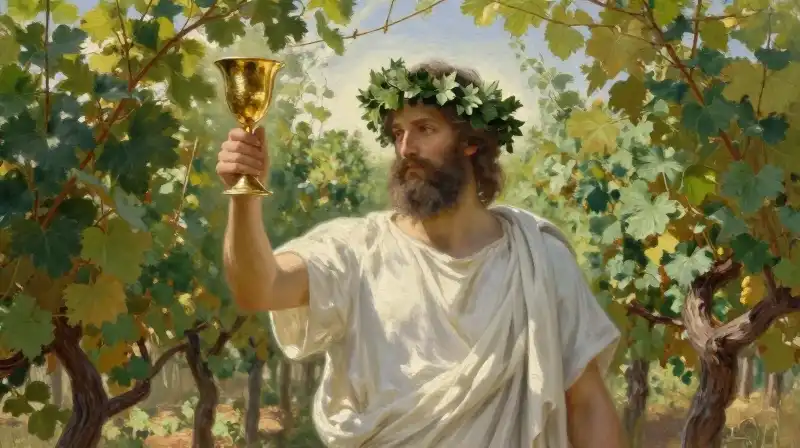
To understand the tradition of Dionysus is to confront one of the most profound forces in ancient Greek culture: the celebration of the untamed, the sacred potential found within the ecstatic self. More than simply a patron of wine or festivity, Dionysus represented a powerful cultural concept of ritual madness, religious ecstasy, and the dynamic interplay between life and death 1. His cult was a means through which participants could transcend the rigid structures of everyday society, engaging in transformative experiences that fundamentally influenced the art, religion, and philosophy of the West.
The core of the Dionysian tradition was not merely the consumption of wine, but the initiation into a state of “unbridled nature” 1. By participating in the rites, individuals risked losing their individual identity, only to find themselves immersed in a communal, cyclical experience. This journey from the controlled citizen to the liberated participant—and the subsequent return—became the cultural engine driving innovation, most notably serving as the initial driving force behind the development of theatre in Western culture 1.
The Dynamic Retinue: Thiasus and Transformative Ritual
The lived experience of Dionysian worship revolved around the *thiasus*. This was not a static group, but a dynamic retinue that served as the physical manifestation of the deity’s energy. Composed of elements such as maenads (or Bacchae/bacchantes), satyrs, sileni, and sometimes accompanied by big cats and snakes, the *thiasus* was a force of raw, cyclical energy that drew participants out of their conventional identities 1. The role of these figures was to facilitate a state of “intoxication” that went far beyond mere drunkenness; it was a psychological and spiritual liberation.
By participating in this ecstatic revelry and lavish festivals, individuals sought a connection with the divine that bypassed intellectual or moral constraints. This explains why Dionysian worship was often regarded as a “cult of the souls,” acting as a vital intermediary that linked the living and the dead, and connected the fleeting nature of life with the eternal cycles of the earth and the divine 1.
The Paradox of the Outsider God: Transformation and Duality
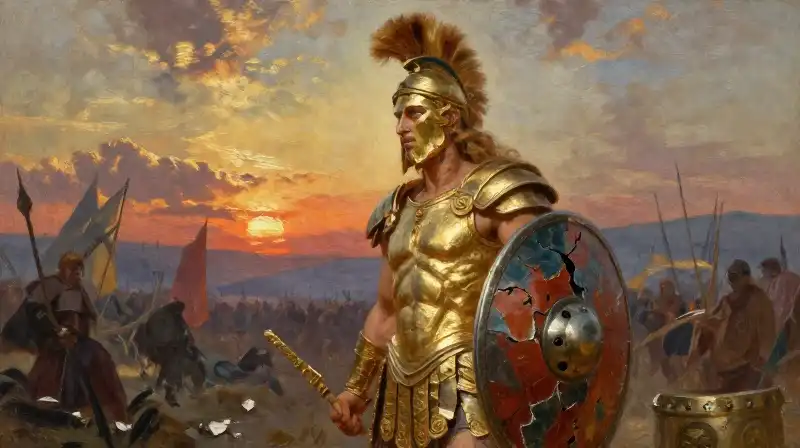
What makes the Dionysian tradition so compelling is its inherent duality. He was viewed not just as a god of celebration, but as an outsider-god whose essential nature involved arriving as an epiphany—a divine intrusion 1. This ‘outside’ status gave him immense power over social boundaries. His power was absolute, capable of driving kings and mortals alike into madness and dismemberment, as seen in the mythological struggles of King Lycurgus and King Pentheus 1.
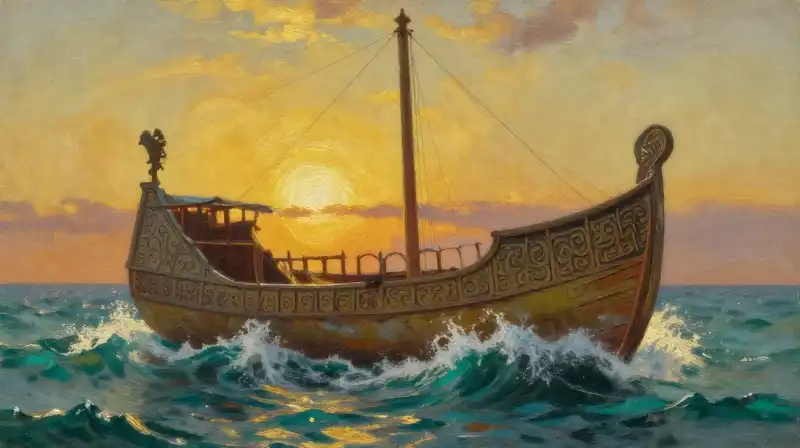
This destructive potential stood in stark contrast to his occasional mercy, such as the transformation of pirates into dolphins 1. This dramatic shift—the god’s capacity for extreme cruelty paired with moments of profound compassion—is what gives the tradition its narrative depth. He represents the raw, unpredictable nature of existence itself, a force that can both shatter order and initiate radical change. This “twice-born god,” as he is described in mythology, emerging from Zeus’s leg, further cemented his complex, border-crossing identity 1.
Regional Currents: Dionysus, Bacchus, and the Subversive Spirit
While the core concept of Dionysus remained consistent, his regional adoption and interpretation varied significantly across the Mediterranean. In Rome, for instance, the adoption of his name as Bacchus was initially tied to Liber Pater, the traditional patron of wine and established tradition. However, this relationship became deeply complex. The independent *Bacchanalia*, which emphasized the ecstatic elements of the *thiasus*, were eventually viewed by the Roman state as subversive transgressions against the established social norms and ordered life 1.
This contrast highlights a key tension: the Roman desire to integrate and control the Dionysian chaos versus the inherent nature of the tradition, which demanded release and transformation. This struggle between order and ecstatic freedom continues to shape how ancient festivals are viewed and regulated throughout history.
Different Flavors of the Festive Spirit
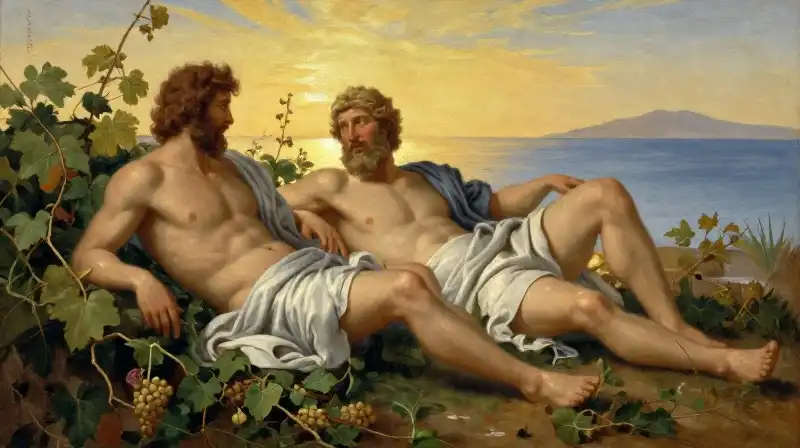
The celebration of revelry extends beyond Dionysus, demonstrating that the human urge toward communal celebration is pervasive in ancient cultures. While Dionysus is tied closely to the cyclical, unbridled natural force of the *thiasus*, other figures represented a more focused form of festivity. Comus, for example, is regarded as a distinct deity of “festivity, revel’s, & nocturnal dalliances,” and is suggested to be equally, if not more, of a pure “party god” 1. Both deities represent the essential human need for ritual release, but one focuses on the cosmic, transformative madness, while the other highlights the joy of human connection and hedonistic pleasure.
Addressing the Question of Celebration in Greek Culture
To answer the question of whether there was a Greek god of celebration, the answer is complex. While specific deities like Comus focused heavily on “festivity” and “revels” 1, Dionysus encompasses a much broader, more profound concept. He is the god of celebration in the most radical sense: he celebrates the wild potential of humanity. He gave form to the spectacle of performance and the dramatic expression of extreme emotion. This connection to theatre and intense ritual elevates him above a simple celebratory archetype; he is the architect of cultural expression through ritual madness 1.
Furthermore, the influence of these traditions is so deep that its roots extend back even to Mycenaean Greece (around 1300 BC), where worship of his precursors is documented through Linear B records referencing wine 1. This shows that the fundamental cultural importance of wine and the ensuing communal ritual is not a later invention, but a foundational pillar of regional culture.
Conclusion: The Enduring Significance of Dionysian Culture
Dionysus remains one of the most potent symbols of the human experience because he embodies the boundary between what is known and what is unknown. He reminds us that profound cultural value often lies not in rigid adherence to definition, but in the sacred act of transgression. His legacy ensures that the tradition of “Living Culture” encompasses not just the pleasure of the festival, but the powerful, necessary ritual of transformation—the moment when a community lets go, connects with the wild, and creates something entirely new.
References
Footnotes
Frequently Asked Questions
Is there a Greek god of celebration?
Yes, there are specific deities of celebration; Comus is regarded as a pure party god of festivity and revelry. Additionally, Dionysus is the god of celebration in a broader sense, representing the wild potential and transformative power of humanity.
Related Articles