The Mythical World of Bats: Folklore from Global Cultures

Introduction
The presence of bats—or creatures shaped by their wings, fur, and nighttime movements—in global storytelling is more than a mere curiosity of natural history; it is a deep-seated feature of human cosmology. The answer to the question of whether a bat is a mythical creature is not a simple yes or no, but rather: it is a blank canvas upon which countless cultures project their most profound beliefs about ancestors, chaos, divine judgment, and the hidden worlds. Far from being a simple animal, the bat motif functions as a potent symbol for transformation, survival, and the liminal spaces between life and death across diverse communities. Examining these narratives allows us to see how the same natural form can embody radically different spiritual truths, reflecting the unique way humanity interprets the world around it.
The Ancestral and Divine Bats of the World
In many cultures, the bat is not viewed as a malevolent entity, but as a powerful, sometimes chaotic, spirit or a revered ancestral link. These traditions often position the bat as a guide between worlds or a keeper of ancient knowledge. In Australian Aboriginal folklore, the concept of Balayang holds a significant place. Balayang is recognized as a bat-god and is tied closely to the myth of Bunjil, a figure revered as a creator. This connection, alongside Tjinimin, who is viewed as a foundational ancestor of the Australian people, demonstrates how the bat form symbolizes deep roots and primordial power within the local heritage. The complexity of bat spirits reaches profound spiritual depths in Mayan mythology. There, Camazotz is identified as a powerful bat spirit. Camazotz is not merely a creature of the night, but a highly significant figure, serving as a servant to the lords of the underworld, thus cementing the bat’s role in structuring their cosmology and their view of death and the spirit realm. In Polynesian traditions, the narrative of Leutogi offers a window into how bats function within cultural rescue narratives. In this Samoan story, a princess is rescued by bats, elevating the creatures from mere nocturnal flyers to agents of divine or supernatural intervention within the community’s own history.
Bat Transformation and the Judgment of Humanity
Perhaps the most dramatic use of the bat motif involves its transformation into a mythological consequence of human actions. These myths often serve as powerful cultural warnings regarding impiety, social transgression, or the failure to honor the divine. In ancient Greek myth, the tale of the Minyades provides a clear example of divine retribution. These three sisters were transformed into bats by the god Hermes after they refused to participate in the sacred worship of Dionysus. This narrative emphasizes a direct link between religious adherence and one’s physical form, suggesting that the bat state is a punishment for social or spiritual refusal to engage with the divine order. Further exploring the consequences of human nature, Filipino mythology features the terrifying Manananggal. This creature is characterized by its ability to separate its head from its body, flying with the aid of bat-like wings while hunting. The Manananggal represents a primal, untamed danger, a powerful figure in local folklore that captures both the alluring flight and the dangerous predatory nature associated with the bat.
The Spectrum of Global Perception: From Reverence to Dread
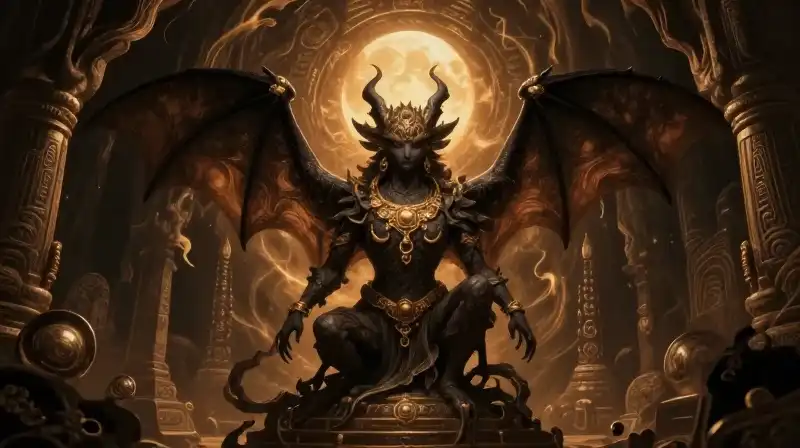
The cultural lens through which the bat is viewed shifts dramatically depending on its context—whether it is seen as a herald, a harbinger of doom, or a mysterious entity from the deep wilderness. In European and maritime folklore, the perception of bats often leaned heavily toward the sinister. Historical records, such as accounts from sailors during Cook’s expeditions, show that flying foxes were widely regarded as devils. This suggests a powerful cultural bias toward assigning malevolent, often demonic, traits to flying creatures associated with the darkness. This sense of the unknown and “other” has also inspired modern concepts of powerful, monstrous entities. In fantasy literature and modern gaming traditions like *Dungeons & Dragons*, bat-like creatures and dedicated “batfolk” are frequently utilized for character inspiration. Here, the motif serves as a symbol of unique strength or primal heritage, often deviating from its traditional darker interpretations. When mythological creatures are blended, such as Wyverns (which combine features of dragons and bats), the motif inherits elements of primal power and stealth, characterized by leathery skin and large, bat-like wings. Meanwhile, the search for the giant bat cryptids in various parts of the globe speaks to a collective cultural tendency to find and give names to large, powerful creatures that exist outside the established parameters of conventional mythology. Even the famous American cryptid Mothman, while primary associated with moths, is frequently compared to bat-like or owl-like humanoids, illustrating how the ambiguous, powerful, nocturnal figure resonates across different regional fears.
Understanding the Bat Myth: Beyond the Listicle
To truly understand the tradition surrounding bat myth, it is essential to recognize that the creatures are not merely biological analogies for mythological beings. They function as cultural mirrors. They reflect how societies cope with death and the afterlife, as seen in the Mayan and Aboriginal traditions, which integrate them into their highest ancestral hierarchies. They reflect fear of the unknown or social deviance, as demonstrated by the Greek transformation and the Manananggal. Finally, they reflect the modern human desire for complexity and narrative depth, as seen in contemporary fantasy settings where the bat serves as a vehicle for powerful character tropes. By tracing the migratory patterns of these mythological bats—from the spiritual guidance of Polynesian ancestors to the terrifying transformations in Filipino folklore—we see that the motif never loses its grounding in human narrative. The bat remains a potent symbol of the boundaries of our known world, encouraging us to consider the powerful, often unseen forces that shape the stories and societies we inhabit.
Frequently Asked Questions
Is a bat a mythical creature?
The article states that whether a bat is a mythical creature is not a simple yes or no, as the bat serves as a blank canvas upon which various cultures project profound spiritual beliefs. Bat motifs represent a spectrum, ranging from revered ancestors and divine guides to figures of punishment, primal danger, and supernatural intervention.
Related Articles