Humanoid Mythical Creatures: Global Mythology and Folklore

Introduction
Humanoid mythical creatures are far more than fantastical additions to a story; they are the living repositories of a culture’s deepest anxieties, hopes, and ecological relationships. Across the globe, beings with human forms, often merged with animal, spiritual, or cosmic attributes, serve as mediators between the human world and the divine or the primordial. These entities—whether they be beautiful temptresses, terrifying shapeshifters, or protective spirits—exist to teach, to warn, and to define the boundaries of a community. To understand these creatures is to understand how a people grapple with the forces they cannot control: the wilderness, death, fate, and the unknowable.
The diversity of these traditions reflects the vast cultural canvas of the world. From the sacred duties of guardian spirits in the Philippines to the terrifying, skeletal figures in Japanese folklore, the humanoid figure often embodies a principle of life or destruction. By examining these beings, we move beyond a simple taxonomy of monsters to explore how communities have utilized the mythological form to define their ethics, their social structures, and their cosmological beliefs.
Guardians of the Land and Water
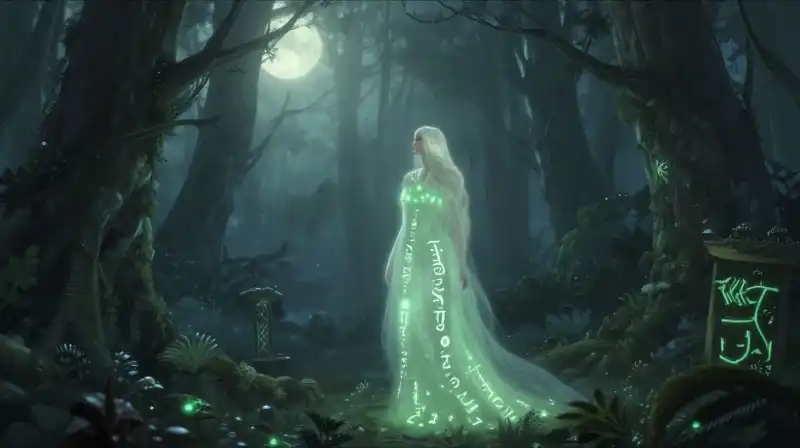
Many humanoid figures serve as powerful intermediaries between humans and the natural world. These spirits are often intrinsically linked to specific locations, serving as custodians of the environment. In a powerful localized belief, the concept of Adgilis Deda represents a profound respect for place, asserting that every geographic location possesses a guardian spirit, often referred to as a “mother of place” 1. This spirit embodies the sanctity of the land itself.
Similarly, in West African mythology, aquatic beings like Mami Wata and Jengu embody the power and mystery of the water. These mermaid-like, water-dwelling humanoids represent the potent cultural role that aquatic life played in their respective communities 1. Similarly, in North American lore, the Little People exist as fairy or elf-like beings whose benevolence or mischief mirrors the unpredictable nature of the natural world 1. These figures underscore a fundamental principle: nature is a sentient force with its own guardians and powers.
Shifting Forms: Deception and Transformation
The ability to change form—shapeshifting—is one of the most ancient and widespread mythical abilities, fundamentally tied to the theme of duality. Shapeshifters represent the liminal spaces where the human self meets the raw power of the non-human. In various Mesoamerican traditions, the Skin-walker of Navajo folklore is a prominent example, a figure capable of disguising themselves as animals or transforming into them 1. This power suggests a deep connection to the local environment and the possibility of transgression.
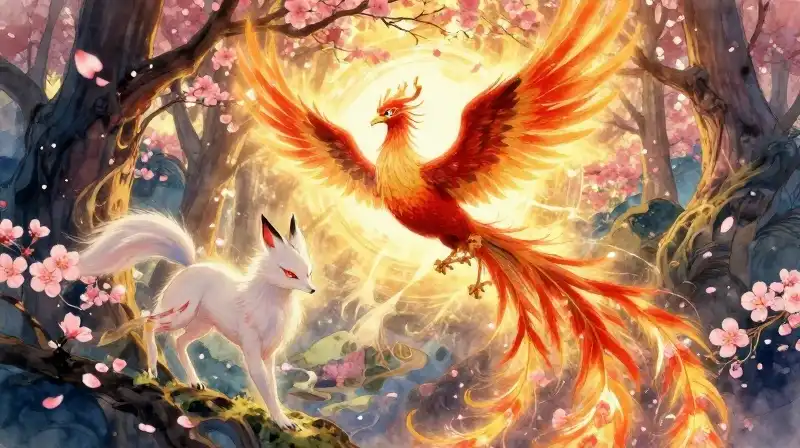
East Asian traditions offer a rich array of female shape-shifters. The Kitsune and Kumiho, for instance, are masters of disguise, often appearing as beautiful women while hiding mischievous or devious natures (1, 2). These stories serve as intricate moral lessons about appearances and intentions. Aztec culture likewise features Tzitzimitl, female demons who worked closely with deities and were mythologically connected to celestial events like eclipses, with the queen embodying an obsidian butterfly 1. These figures demonstrate the deep intertwining of human consciousness, divine duty, and the perceived mysteries of the cosmos.
Spiritual Disruptors and Cosmic Forces
While some humanoid entities act as guardians, others function as spiritual disruptors, testing human limits and social order. In Slavic and Germanic traditions, beings like Mare or Neck/Nokken take on the form of figures that disrupt human sleep and safety. These can be depicted as beautiful women whose enchanting songs draw people toward danger, or as shadowy figures (2, 2). They illustrate how the human experience of vulnerability—specifically during the vulnerable state of sleep—is a common theme in the exploration of the supernatural.
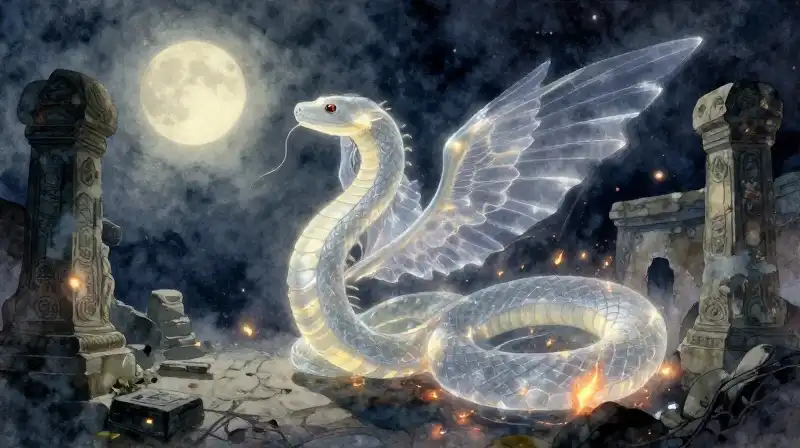
Furthermore, various mythological races are deeply integrated into the creation and structure of the cosmos. Hindu epics feature diverse human-like races, such as the Gandharvas (analogous to elves) and Kinnaras, living alongside titanic entities like the Asuras (anti-gods) and powerful Nagas (snake people) 1. In the Philippines, Jinn are understood as a species possessing genuine free will, capable of manifesting as shadowy figures or as humans exhibiting various animal parts, showcasing a powerful species capable of self-determination (1, 2). These beings challenge the human-centric view of the world, suggesting that humanity is merely one small element in a vast and often chaotic mythological hierarchy.
Addressing Common Questions about Mythical Forms
A central question often asked about humanoid mythical creatures is their physical manifestation. Figures with human torsos but non-human elements are common across several cultures. The Gandharvas and Kinnaras of Hindu lore, for example, are often described with human-like forms interwoven with celestial or animal characteristics, such as birds or animals 1. Similarly, in the Aztec tradition, the complexity of the Tzitzimitl suggests a humanoid form that has absorbed elements of the natural world, such as the skeletal obsidian butterfly.
Beyond specific physical traits, the concept of female humanoid mythical creatures holds particular significance. Mami Wata of West Africa, the Kitsune of East Asia, and the Tzitzimitl of the Americas all exemplify the powerful role of the female form in controlling, challenging, or representing the forces of nature, magic, and cosmic destiny.
Cultural Cautions: Ghosts, Witches, and Warnings
Some of the most evocative humanoid figures serve as cultural warnings or agents of social behavior. The Gashadokuro of Japan exemplifies this, representing the spirits of those who perished without proper burial, taking the terrifying form of massive, towering skeletons 1. This creature serves as a somber reminder of the importance of ritual and proper respect for the dead.
Similarly, the regional “Boogeyman” figures, such as Coco/Cucuí or El Cucuy, are culturally significant in the pedagogical function of folklore. These frightening yet variable figures illustrate how communities use the supernatural to instill virtues and safety in children (3, 2). Even in the context of benevolence, figures like Samdzimari demonstrate that spirits, even those bringing prosperity, operate under strict social conditions; one must recognize and accept their presence until they fulfill their purpose of moving to a new home 1.
Beyond the List: The Ongoing Conversation of Myth
Ultimately, the power of humanoid mythical creatures lies not in their definitions but in the living traditions they represent. Whether they are the benevolent Little People, the mischievous Kitsune, or the dangerous Mare, these figures provide a narrative framework for a community’s worldview. They act as mirrors, reflecting the community’s fears of the unknown, their reverence for the land, and their desire for cosmic order. They are the keepers of the “uncomfortable truths” about life—that boundaries are porous, that beauty often masks danger, and that the sacred requires respect.
In a modern context, engaging with these traditions requires more than recognition; it demands a respectful understanding of the cultural logic that birthed them. They are living expressions of human-nature relations, reminding us that the world is infinitely more complex and mysterious than we often allow ourselves to perceive.
References
Footnotes
Frequently Asked Questions
What mythical creature has a human torso?
In Hindu lore, the Gandharvas and Kinnaras are often described with human-like forms interwoven with celestial or animal characteristics. Additionally, the Jinn of the Philippines can manifest as humans exhibiting various animal parts.
Related Articles