Seidr in Norse Mythology: A History of Fate and Sorcery

Introduction
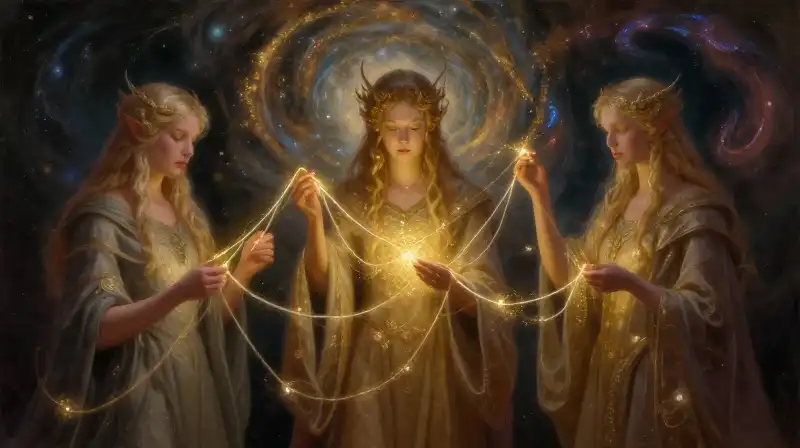
Seiðr represents one of the most complex and culturally rich traditions of Late Scandinavian Iron Age society. Far from being a simple list of ancient spells, it was a highly specialized form of shamanistic sorcery deeply interwoven with the cosmology and social fabric of Norse communities. To understand Seiðr is to understand the people’s relationship with destiny itself. It was a practice believed to allow practitioners to both see and influence the future, acting as a vital mechanism for decision-making, healing, and societal balance [1]. In the worldview of the Norse, nothing existed without a trajectory. This trajectory was managed by the Nornir, the weavers of fate, and Seiðr provided the means for individuals, particularly those gifted as *völur* or *seiðkonur*, to navigate that tapestry. The practice functioned not merely as a magical act, but as a profound societal role—a way for certain individuals to serve as counselors, mediators, and keepers of fate within their local communities [2, 1].
The Binding of Fate: How Seiðr Worked
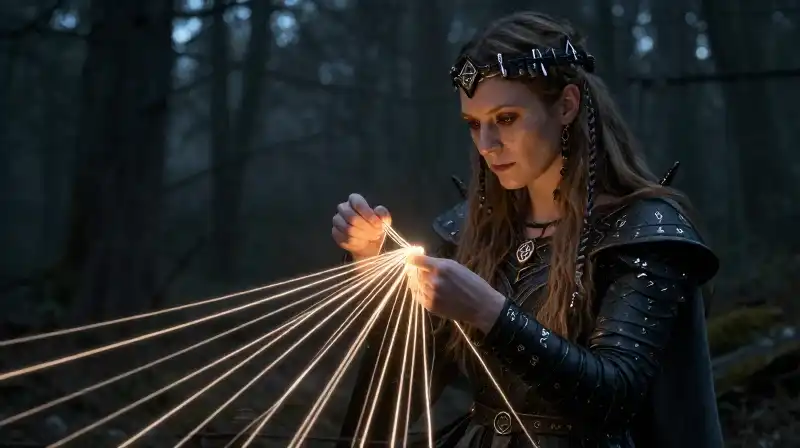
The core essence of Seiðr lies in the mastery of destiny. The term itself suggests an act of binding or string manipulation, perhaps reflecting the concept of “spinning charms” related to the threads of destiny [1]. Practitioners were thought to possess the ability to manipulate these forces, relating directly to the Norse concept of fate. This power was not purely academic; it was actively applied. While Seiðr offered powerful benefits—such as divination, promoting healing, and securing good fortune—it was a double-edged tradition. A practitioner could utilize their skills for profound positive ends, such as advising a community or blessing the harvest. Conversely, the magic was potent enough to be used destructively, including casting curses upon individuals or causing blights in the crops and land [2]. This dual nature highlights the gravity of the practitioners’ responsibilities. The Norse connection to powerful deities further cemented the importance of the art. While the god Óðinn was intrinsically linked to magic, it was the goddess Freyja who is credited with teaching the art of Seiðr to the Æsir [1, 3]. This divine endorsement established Seiðr as a potent and authoritative tradition.
The Gendered Realm of Seiðr
Perhaps the most distinctive feature of the tradition was its gendered nature. Historically, Seiðr was a practice overwhelmingly performed by women, who were known as *vǫlur* or *seiðkonur* [2, 1]. The archetype of the professional practitioner was the *völva*, a revered semi-professional sorceress whose duties often stretched far beyond simple spell-casting to include crucial societal functions like conflict resolution and advising local chieftains [2]. In the historical social structure of the time, the highly visible and public nature of this magical profession created significant friction with patriarchal norms. Because of its association with powerful, often feminine, magical forces, male practitioners (*seiðmenn*) faced intense social stigma. These men were frequently labeled as effeminate or “unmanly” (*ergi*), illustrating the deep cultural tension surrounding the practice [1, 2]. Despite this societal pressure, the figures detailed in sagas, such as those involving *Erik the Red*, demonstrate the elaborate attire and ritual significance afforded to these *seiðkonur* [1].
The Scope of Practice: Sorcery and Community Role
The role of the *völva* within the community was multifaceted, combining elements of religious authority, medical expertise, and political consultation. A deep understanding of Seiðr meant understanding the breadth of its application, which included:
- Divination: Gaining insight into future events or hidden truths.
- Healing: Using magic to restore health or alleviate suffering.
- Societal Advice: Serving as a highly respected counselor in disputes or times of crisis.
- Manipulation of Fate: Utilizing specific techniques to influence or bind the threads of destiny.
The narratives found in Old Norse sagas provide vivid details regarding the methods employed. Accounts suggest that Seiðr involved specific physical actions intended to manifest magical effects, such as using a specialized stick to strike a person’s cheek—an action believed to be capable of inducing states of forgetting or memory [1, 3]. Furthermore, archaeological finds, such as the burial of a *völva* at Fyrkat, confirm the use of specialized ritual implements, including staves, animal bones, and protective talismans, integral to the performance of the art [3].
The Path of Transformation: Modern Understanding
Modern interpretations of Seiðr often focus on the internal, psychological state required of the practitioner. Contemporary proponents and researchers often interpret the performance of Seiðr as requiring a deep trance state or an altered state of consciousness. In this context, the practitioner is believed to travel to supernatural realms, communicating directly with spirits and forces that govern the cosmos [2]. The practice is a living cultural tradition, though the knowledge base largely coalesced after the extensive period of Christianization in Scandinavia [1, 3]. When examining the related searches for Seiðr, whether related to “powers,” “symbol,” or “meaning,” the deeper intent is usually to grasp the cultural weight—the concept of how one lives alongside the powerful forces of fate, both good and bad, in a harsh, powerful environment.
Seiðr in Context: A Cultural Synthesis
To view Seiðr solely as a collection of magical rituals is to miss its essential function. It was a mechanism for negotiating the unknown. In a society defined by war, agricultural cycles, and the inescapable thread of fate, the *seiðkonur* offered clarity and guidance. They bridged the gap between the mundane world of human community and the vast, unknowable cosmic forces of the Nornir. The enduring resonance of Seiðr lies in its representation of human agency within fate. Even if the threads of destiny are strong, the practitioners of Seiðr demonstrated that careful ritual, specialized knowledge, and focused intent could allow individuals to shape their role, serving as both architects of community wisdom and navigators of cosmic change.
References
Footnotes
Frequently Asked Questions
What is seiðr in Norse mythology?
Seiðr was a highly specialized form of shamanistic sorcery that allowed practitioners to see and influence the future, linking human action to the threads of fate. It served a vital societal function, enabling individuals to navigate destiny through divination, healing, and providing community counsel.
Can men perform seiðr?
Historically, Seiðr was a practice overwhelmingly performed by women, such as vǫlur or seiðkonur. While male practitioners (seiðmenn) existed, they faced intense social stigma due to the practices powerful feminine associations within the culture.
Did Odin do seiðr?
The article states that while the god Óðinn was intrinsically linked to magic, the goddess Freyja is credited with teaching the art of Seiðr to the Æsir.
Who is the goddess of seiðr?
The goddess Freyja is credited with teaching the art of Seiðr to the Æsir.
Related Articles