Decoding Roman Myth: Spirits, Creatures, and Divine Concepts

Introduction
To study Roman mythology is not simply to catalog epic battles or grand pantheons; it is to explore a culture where the divine was woven into the very fabric of the mundane. Unlike traditions that might reserve gods for the peaks of Mount Olympus, the Roman spiritual life was characterized by a pervasive sense of presence—a concept known as numen. This concept emphasizes a divine energy inherent not only in gods but in all things: the soil, a hearth, a specific location, and even a person 1. For the Roman people, the world was an inhabited place, overseen by spirits that guided daily life, regulated societal functions, and defined the boundaries of community. This tradition is less about high drama and more about the complex, localized, and intimate interaction between humanity and the forces that surround them.
The Inhabited World: Spirits of Home and Land
At the heart of Roman belief lay a sophisticated system of protective spirits that governed the domestic and regional sphere. The concept of the Genii is perhaps the most personal of these—they functioned essentially as individualized guardian spirits, akin to personal divine protectors 1. This domestic sphere was anchored by figures like the Lares, who provided constant vigilance over the general welfare of the household, ensuring the continuity of the home itself. Just as critical was the protection of sustenance; the Penates were specifically consecrated to the guardianship of the family’s food supply, symbolizing their essential role in survival 1.
Beyond the walls of the home, the Roman spiritual map was textured by localized deities. For instance, Angitia was a powerful goddess of healing who commanded reverence across different groups, including Latins, Oscans, and Umbrians, before her figure became integrated into broader Greek myths 1. This regional focus highlights the decentralized nature of Roman worship. The gods were not monolithic; they were specialized agents of specific needs and locations, ensuring that every aspect of Roman life, from agricultural health to the safety of the family feast, had a divine oversight.
Defining Boundaries: Gods of Function and Transition
A defining feature of Roman divinity is the dedication of specific gods to highly functional societal roles—roles that often lack a direct parallel in Greek mythology. These figures illustrate how the culture integrated spiritual beliefs into the mechanics of daily life. Janus, for example, was the deity associated with beginnings and transitions, particularly doorways, making him a spiritual gatekeeper 1. Equally important was Terminus, the god of boundaries. While other cultures might have recognized territorial spirits, the elevation of Terminus suggests that the clear definition of community, property, and physical limits was a deeply sacred concept within Roman social structure 1.
The pantheon also accommodated the specialized and the marginalized. Laverna, for instance, was the goddess associated with cheats and thieves, reflecting a cultural need to acknowledge and manage vice as a part of the human experience 1. Similarly, Liber Pater, who governed male fertility and was linked to the working class, ensured that the divine was accessible across social strata and addressed primal human concerns related to labor and procreation 1. This practical approach—assigning a god to a specific social or physical action—remains a cornerstone of Roman spiritual heritage.
The Fluid Nature of Myth: Creatures and Evolution
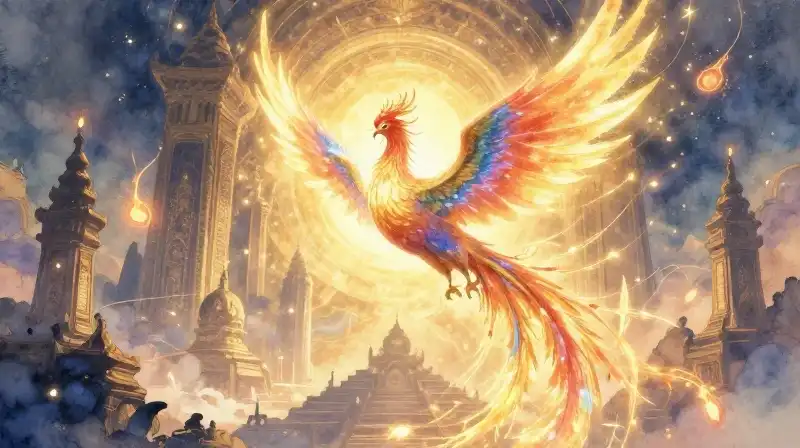
The animal and hybrid entities catalogued within Roman culture reveal the fluid boundaries between nature, biology, and myth. Creatures such as the Basilisk, the Griffin, the Phoenix, and the Ophiotaurus are noted within the tradition 1. These figures represent the powerful, sometimes terrifying, forces of the natural world. However, the narrative of mythical creatures is also one of evolution. For example, the Faun and the Satyr were initially recognized as distinct entities with unique characteristics; their later integration speaks to the process by which the Romans synthesized existing cultural motifs into a unified mythological framework 1.
The origin of the concept of the Nymph in Roman culture is particularly telling about the tradition’s evolutionary nature. The idea did not simply appear; it developed from indigenous sources, specifically starting with the goddess Lympha, who represented fresh water. This native Roman concept of water spirits was then supplemented by the wholesale adoption and adaptation of the Greek Nymph concept, demonstrating a careful process of cultural synthesis rather than pure substitution 1. This blending shows that the tradition was dynamic, absorbing external ideas while maintaining distinct Roman foundations.
A Living Tradition: Regional Specificity and Cultural Context
The distinction between Roman and Greek mythology is often highlighted by the unique roles Roman deities held and the specific nature of their belief. Roman culture did not merely mirror Greek myths; it created distinct functional roles and integrated indigenous elements. The emphasis on the *numen* itself, the inherent divinity in localized objects and places, creates a profound difference from the sometimes more abstract, Olympian hierarchy found in Greek mythology 1. This focus makes Roman mythology less a history of gods and more an exploration of a community’s relationship with its physical world.
This dedication to regional and functional spirits allows the tradition to feel deeply rooted in the experience of its community. Whether it is the Penates watching over the pantry or Janus watching over the threshold, the spirits are integral to the community’s sense of order and continuity. For modern readers wishing to understand this heritage, the key takeaway is that the Romans did not view the divine as something distant, but as an omnipresent component of a well-ordered, lived experience 1.
Ultimately, the Roman tradition offers a powerful insight into how societies interpret and ritualize their environments. It is a study in the power of local spirits, the necessity of clear boundaries, and the ongoing, evolving relationship between the human needs and the supernatural forces that seem to guide them.
References
Footnotes
Related Articles