The Worlds Top 10 Mythical Creatures and Their Origins

Introduction
For generations, humanity has sought to explain the inexplicable—the sudden, overwhelming forces of nature, the moral failings of man, and the vast, terrifying wilderness. In the span of diverse cultures, these questions have not been answered by scientific theory alone, but through the creation of mythical beings. These creatures are far more than simple monsters to be hunted; they are living cultural artifacts, narrative vessels that carry the weight of regional beliefs, moral anxieties, and deep spiritual histories. They act as the boundary between the known human world and the sublime mystery of existence. To understand a mythical creature is not just to identify its characteristics, but to understand the societal role it plays in its home community. Whether it is the benevolent wisdom of the East or the cautionary tale whispered in a northern forest, these figures reveal what a culture values, what it fears, and how it attempts to structure its relationship with the unseen.
The Guardians and Spiritual Entities of the World
Many of the most potent mythical creatures serve as spiritual bridges, connecting the terrestrial world to higher, often complex, spiritual planes. These beings are frequently embodiments of nature’s power, embodying protection, luck, or subtle guidance.
Water itself is a powerful locus of these traditions, spawning figures that embody both grace and danger. Mermaids, found in traditions ranging from the Merrows of Ireland to Mami Wata of West, South, and Central Africa 1, represent the seductive power of the deep. Similarly, the Djinn in Arab spiritual texts are defined as entities made of smokeless fire, possessing free will and the capacity to assume human or animal forms 1. They are not merely beasts; they are sentient spiritual actors whose power must be respected.
On land, certain creatures embody deep cultural meaning and transformation. The Unicorn, for example, carries immense symbolic weight. It has appeared in ancient Indian and Chinese myths, before its powerful symbolism was adopted in Christian art to represent peace and benevolence 1. The Tengu of Japanese folklore are another example of a powerful supernatural entity—winged forest spirits capable of taking human or animal forms 1—acting as guardians of the natural world.
Embodiments of Moral and Natural Power
Some mythical creatures are not merely spirits; they are representations of forces—divine, elemental, or purely destructive—that define a society’s understanding of power and morality.
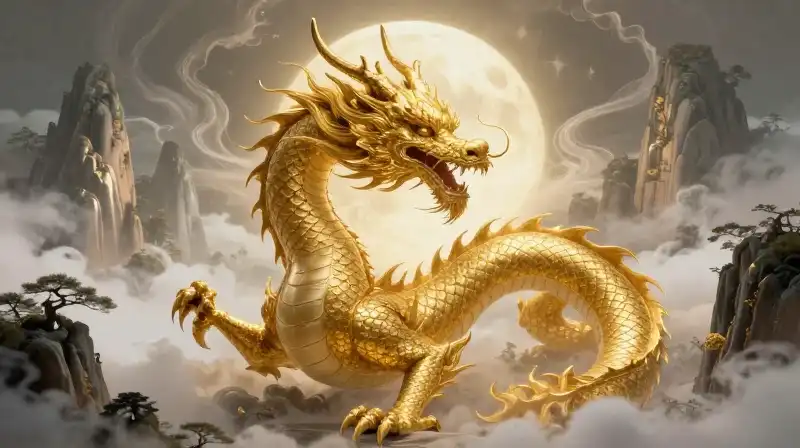
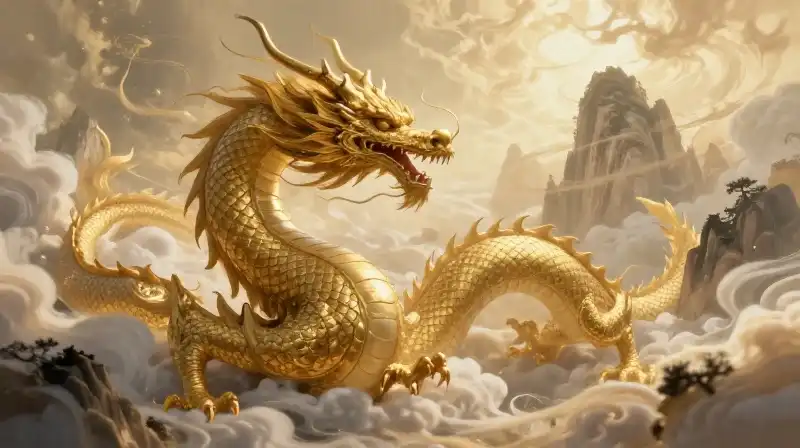
The Dragon serves as one of the most dramatic examples of this cultural divergence. In many European legends, the dragon is a symbol of primal evil and hoarding 1. However, in East Asian traditions, particularly China, dragons are overwhelmingly portrayed as benevolent figures, symbols of good fortune, wisdom, and cosmic power 1. This stark difference shows how the same foundational concept can be shaped entirely by the prevailing moral framework of a culture.
Other massive creatures embody geological and territorial significance. The Grootslang of South Africa is a serpentine entity believed to represent ancient elements of the earth and is often associated with guarding the treasures of deep caves 1. Similarly, the powerful Miniwashitu found along the Missouri River reflects local Indigenous and settler myths about unique and often unpredictable forces within the land 1. These creatures often exist within the local landscape, making the mythical story integral to the geography itself.
The Cautionary Tales: Fear and Wilderness
Perhaps the most persistent function of folklore is to act as a guide, warning a community about dangerous behaviors or the perils of the untamed frontier. These creatures reflect humanity’s deepest fears regarding corruption, loss of self, and the overwhelming nature of the wild.
The figures tied to the wilderness are often the most unsettling. The Yeti in the Himalayas or Bigfoot in North America are archetypes of the ambiguous unknown (1, 2). They function culturally as cautionary tales, urging people to respect the boundaries of the wilderness and recognize the mysteries that exist beyond human control.
More personally, these cautionary tales focus on the internal threat. The Wendigo, a terrifying figure in Indigenous and Euro-American folklore of the Great Lakes region, is a grim manifestation of moral failure. It stems from the narrative of a hunter driven to cannibalism, transforming into a grotesque beast 1. Likewise, the Kelpie of Scottish legend, an aquatic spirit taking the form of a horse, lures victims to their doom in streams and rivers 1. These creatures reflect the human struggle against temptation, madness, or environmental danger.
Even the concept of the Werewolf embodies this theme of transformation and lack of control, though its mythology varies widely by region concerning whether the change is caused by the full moon, bites, or other mystical influences 1.
Foundations of Faith and Human Design
Beyond wild spirits, many mythical figures represent the boundaries of human potential, divine intervention, and the limits of human endeavor.
The Golem, a figure deeply rooted in Jewish folklore, is an animated being created from inanimate materials like clay or mud 1. The Golem represents the idea that humanity can imbue life into matter, but also serves as a cultural warning about the hubris involved in creating life outside of divine natural law.
Greek mythology provides foundational narratives of flawed power. The Minotaur, for instance, embodies a narrative born of divine intervention and the complex issues of royal hubris involving King Minos and the bull 1. These figures ground powerful myths in a human context, exploring themes of lineage, consequence, and divine punishment.
The Grootslang, while representing earth power, also sometimes functions within these more structural myths, acting as a guardian of sacred, hidden knowledge or treasure within deep, primordial caves 1.
Understanding the Myth: Why Do These Creatures Endure?
The persistence of mythical creatures—whether you are looking for a list of top 10 mythical creatures or curious about the meaning behind them—is rooted in their utility. Mythical beings are tools of cultural communication. They offer a way for a community to process massive, overwhelming experiences:
- Moral Guidance: The Wendigo or the Werewolf remind people of the consequences of broken social taboos.
- Environmental Warning: The Yeti or the Kelpie warn against disrespect for the wild and natural environment.
- Spiritual Connection: The Mermaids or the Djinn connect communities to broader spiritual or natural forces.
- Cultural Identity: The Dragon, Grootslang, or Miniwashitu tie a specific narrative to a specific piece of land or a specific ethnic history.
They are, in essence, highly sophisticated narrative mirrors. They allow a community to safely externalize their deepest fears and highest aspirations into a relatable, if terrifying, shape.
Synthesis and Conclusion
A mythical creature never exists in isolation. Its power is only realized when it is placed within the narrative of its culture, linking the natural world to the spiritual realm and human behavior to divine mandate. The study of these legends is therefore not merely the cataloging of fantastical beasts, but a profound study of human consciousness. They tell us where we come from, what we fear, and the enduring stories we tell ourselves about the mysterious forces that shape our world.
References
Footnotes
Related Articles