Balder and Thor: Defining the Asgardian Prince and His Fate

Introduction
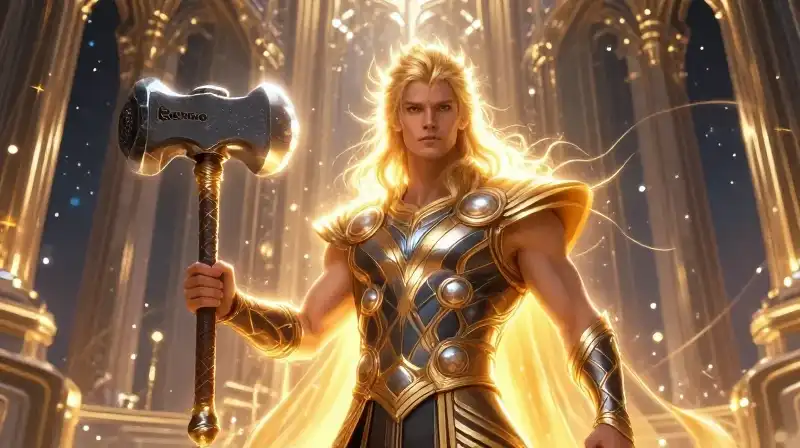
The figure of Balder, though rooted in the deep cultural wellspring of Norse mythology, finds one of its most dynamic modern interpretations in the narrative cycles of Marvel Comics as Balder the Brave. In this rich tapestry of Asgardian storytelling, Balder serves as more than simply the son of Odin or the half-brother to Thor; he is a profound exploration of the warrior-prince archetype and the devastating weight of predetermined fate. He embodies the complex relationship between divine grandeur and vulnerable human experience. Understanding Balder’s place requires looking beyond simple lineage and examining the cultural function he serves: the catalyst for cosmic change and a mirror to the cost of maintaining universal order.
Defining the Asgardian Dynamic: Balder and Thor
Within the cosmos depicted in these narratives, the bond between Balder and Thor is defined by duty and established hierarchy. Balder is placed within the ranks of Asgard’s most revered figures, alongside companions known as the Warriors Three, and is often presented as a guiding force for Thor 1. He carries the burden of high status, inheriting the mantle of the throne after Loki’s influence coerces him into exiling Thor from the realm 1. Balder’s status is elevated by his inherent capabilities. As a powerful Asgardian warrior, he possesses superhuman strength and speed, distinguishing him even among the greatest combatants of Asgard 1. Yet, his relationship with Odin, the supreme ruler of the Norse gods, is layered with profound theological complexity. This dynamic is not merely one of family; it is a representation of the divine control exerted over destiny, a theme that permeates Asgardian society.
The Weight of Vulnerability and Fate
Perhaps the most compelling cultural aspect of the Balder narrative is its examination of manipulated vulnerability. In keeping with the themes of Norse myth, Balder’s story centers on the idea that his fate is predetermined, and his death is required for the ultimate conclusion of the universe, Ragnarök 1. The narrative demonstrates a potent interplay between power and fragility. Odin, the ruler, is depicted as actively using spells to make Balder vulnerable. This maneuver prevents the immediate onset of Ragnarök while ensuring the eventual collapse, directly mirroring the concept of divine control over fate itself 1. Culturally, this setup presents a narrative tension: the ultimate power in the cosmos is not always the might of the warrior, but the subtle manipulation of destiny. This essential fragility is further highlighted by a key narrative constraint: Balder can only be fatally injured by weapons crafted from mistletoe wood 1. This symbolic weakness is more than a plot device; it is a thematic counterpoint to his tremendous power, reminding the audience that even the most powerful warrior is bound by specific, often tragic, conditions.
The Internal Struggle: Grief and Transcendence
What truly elevates Balder’s story beyond a mere recounting of myths is the profound exploration of his internal, human condition. Amidst the battles of gods and cosmos, the comic narratives focus heavily on Balder’s internal struggles, providing a sense of genuine emotional depth to a character often viewed as a symbol of divinity. One significant development is the severe trauma Balder suffers after witnessing the souls of those he has slain. This experience drives a radical shift in his character: he renounces killing altogether, signaling a transcendence from the violent expectations of his rank 1. His journey is characterized by overwhelming loss and depression, particularly following the death of his beloved Nanna. This profound grief motivates him to seek connection and companionship in figures like Volstagg, rooting his epic struggles in deeply personal human emotions 1.
Challenging the Cosmic Order
The tradition of Balder’s narrative consistently serves to challenge established cosmic order. In various narrative cycles, Balder is featured in high-stakes scenarios that test the foundation of the universe. For example, the stories explore the attempts of the Council of Godheads to combat the universal threat posed by the Chaos King 1. Balder’s journeys, therefore, are not static; they are active disruptions. By confronting universal threats and internal moral dilemmas, his arc pushes the boundaries of the Asgardian world. His presence and eventual fate force the community and the characters around him to re-evaluate the meaning of power, sacrifice, and the enduring nature of order 1.
Synthesis: The Meaning of the Asgardian Prince
The depiction of Balder the Brave, both as a powerful warrior and a tragic figure, ultimately offers a powerful commentary on the necessary costs of a grand, cosmic tradition. He is the quintessential Asgardian prince—a figure of light, power, and destined fate—but his narrative reminds us that even the gods are subject to vulnerability, grief, and the subtle hands of destiny. Balder’s story encourages the reader to look past the spectacle of battle and recognize the deeper cultural themes: the profound human significance that can exist even within the framework of mythical grandeur. He is not just a character in a story; he is a representation of the profound loss that accompanies the maintenance of order, a vital component of the stories that shape our understanding of heritage and destiny.
References
Footnotes
Frequently Asked Questions
Who is Balder to Thor?
Balder is the half-brother to Thor, and the narrative depicts their relationship as one defined by duty and established hierarchy. He is often presented as a guiding force for Thor among the most revered figures of Asgard.
Related Articles