Día de los Muertos: The Traditions of November 1 and 2

Introduction
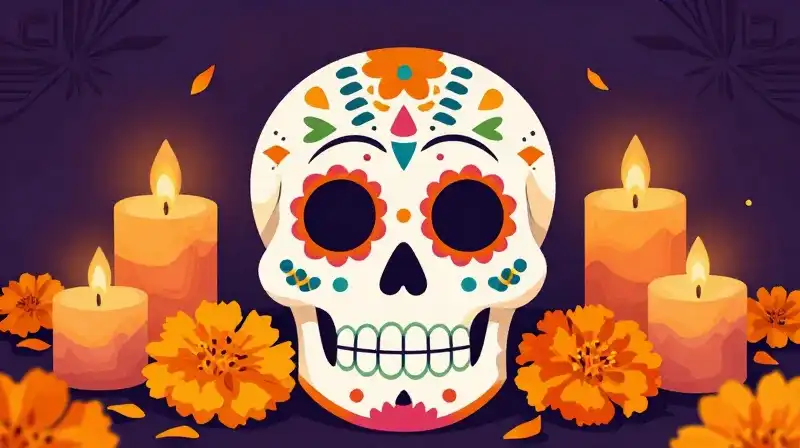
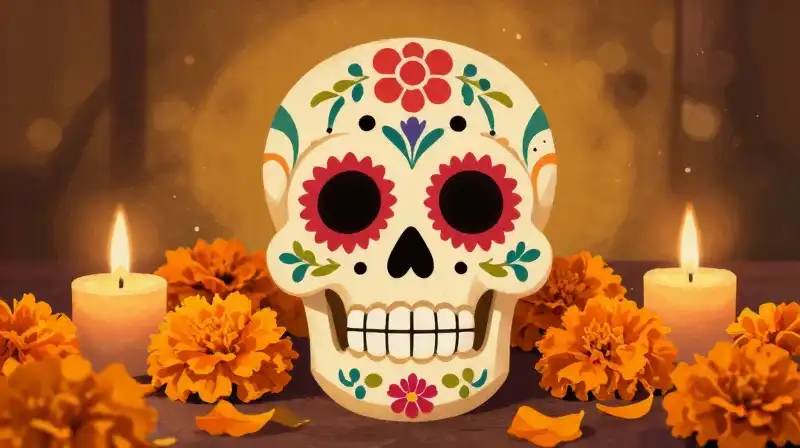
The Day of the Dead (*Día de los Muertos*) is not a holiday of mourning, but a vital celebration of the continuity of life and the deep bond between the living and the departed (1, 2). Far from being a somber occasion, it is a festive, colorful reunion where families prepare to welcome the spirits of their loved ones back home. For communities that celebrate, the tradition serves as a powerful affirmation of memory and existence, recognizing that life and death are interconnected parts of a continuous cultural narrative. Observed primarily across Mexico and by Mexican communities globally on November 1st and November 2nd, the tradition is rich with indigenous roots and complex syncretism. It is a time when homes and public spaces transform into vivid altars, designed not merely as memorials, but as doorways meant to invite the spirits to participate in the shared festivities (1, 2).
The Significance of November 1st and 2nd
To understand the rhythm of the celebrations, it is essential to distinguish between the dates. The observance is traditionally split to honor different demographics of the deceased. According to 3 and 2, November 1st is specifically dedicated to honoring deceased children, while November 2nd is set aside to remember and welcome the spirits of deceased adults. This division is a core aspect of the community’s practice, ensuring that every stage of life receives the same heartfelt recognition. When considering the question of whether the holiday is for children, the answer is complex. While the celebration is deeply rooted in the remembrance of ancestors, the joyful and vibrant tone of the festivities—especially the playful depictions of *Calaveras Literarias*—makes it a powerful, educational, and festive experience for younger generations (3, 2). The tradition emphasizes that even the young can participate in the rituals of honoring life’s cycles.
The Sacred Architecture of Memory: Building the Ofrenda
The centerpiece of the entire observance is the *ofrenda*, or the offering. These elaborate, multi-layered altars are built within homes or in public areas to serve as welcoming points for the visiting spirits (1, 2). Creating an *ofrenda* is a profound act of love and devotion, turning a domestic space into a spiritual pathway. An *ofrenda* is designed to be highly personalized, reflecting the unique tastes and lives of the deceased. Layers are carefully constructed and filled with items that the spirits might enjoy:
- Food and Drink: A favorite dishes, sweets, and traditional beverages such as *atole*, tequila, or mezcal (1, 2).
- Personal Ornaments: Objects that speak to the life lived, like favorite clothes or personal photos (1, 2).
- Iconic Flora: The pervasive presence of *cempazúchitl*, or marigold flowers, which are woven throughout the altars and cemeteries, symbolizing life and the sun (3, 2).
The meticulous placement of each item is a ritual act that encourages the spirits to gather, enjoy the feast, and join the lively atmosphere of the celebration (1, 2).
From Pre-Hispanic Ritual to National Identity: Cultural Roots and Icons
The Day of the Dead embodies a fascinating history of cultural exchange and evolution. Scholarly perspectives often debate its origins, with some researchers pointing toward deep indigenous pre-Hispanic roots, such as those linked to Aztec civilizations, while others view it as a complex syncretism of these native beliefs with Catholic traditions (3, 2). In the modern era, historians suggest that the holiday’s highly formalized iteration might be a 20th-century national project, sometimes called the “Cardenist invention,” designed to deliberately fuse indigenous iconography with modern Mexican identity, setting it apart from strictly Catholic doctrines 3. Cultural expressions that have become globally recognized are a blend of satire and reverence:
La Calavera Catrina, the elegant, sophisticated skull motif, is a perfect example. It originated from the satirical etching *La Calavera Garbancera* by José Guadalupe Posada, created around 1910 to mock the European-aristocratic pretensions of certain Mexicans 3. It evolved from a political critique into a global symbol of festive mortality, reminding celebrants that death is a universal and shared human experience.
Communal Practice and the Language of the Dead
The tradition extends far beyond the altar in the home; it is a deeply communal event. In local cemeteries, families dedicate significant time to cleaning, decorating, and tending to the graves of their loved ones, placing offerings that mirror the home altars (3, 2). This practice blurs the line between the sacred space of the home and the communal resting places, making the cemetery a vibrant part of the celebration. Beyond the offerings, the cultural expression also manifests in *Calaveras Literarias*—literary forms composed of light-hearted, often irreverent verses or mock epitaphs dedicated to living friends 3. This literary tradition transforms the remembrance from a somber tribute into a playful conversation, blurring the line between the living and the dead in a joyous, shared cultural experience.
The Gastronomic Heart of the Celebration
Food is a primary vehicle for cultural memory. The culinary traditions of November are inseparable from the ritual. The quintessential item is *Pan de Muerto* (Bread of the Dead), a sweet, sugar-dusted loaf whose shape is often deliberately stylized. This bread is customarily paired with rich hot chocolate infused with cinnamon, providing warmth during the often chilly November evenings (3, 2). These shared meals and culinary acts serve a vital purpose: to provide sustenance and pleasure to the visiting spirits, and to reinforce the family bonds of the living who gather to partake in the feast.
Navigating the Diversity of Tradition
While the core themes of remembrance, offerings, and the dates of November 1st and 2nd hold true, it is crucial to understand that *Día de los Muertos* is not a monolithic event. Because of its long history and regional migrations, the precise ceremonies, specific offerings, and local customs vary significantly from one town or city to the next (3, 2). To truly appreciate the tradition, one must recognize these regional variations, as the local folklore and specific ancestral practices can shape how the “living culture” manifests in different communities.
Sustaining Memory: The Enduring Value of the Tradition
The enduring power of Día de los Muertos lies in its perspective: it reclaims death not as a finality, but as a phase of life. It serves as a necessary reminder that memory is a continuous act of living. By building the *ofrenda*, creating the verses, and gathering with family and neighbors, the community actively ensures that the stories, personalities, and legacies of the departed remain vibrantly present. This festive recognition is a vital thread in the rich tapestry of Mexican cultural heritage, allowing communities to honor their past while celebrating the vibrant continuity of their present.
References
Footnotes
Frequently Asked Questions
What happens on November 1st for Day of the Dead?
According to the article, November 1st is specifically dedicated to honoring deceased children.
Is Día de los Muertos on November 1 or 2?
The observance of Día de los Muertos takes place on both November 1 and November 2. November 1st is specifically dedicated to honoring deceased children, while November 2nd is set aside to remember and welcome the spirits of deceased adults.
Is November 1 Day of the Dead for kids?
November 1st is specifically dedicated to honoring deceased children. However, the joyful and vibrant tone of the celebration, including playful Calaveras Literarias, makes the tradition a powerful, educational, and festive experience for younger generations.
Related Articles