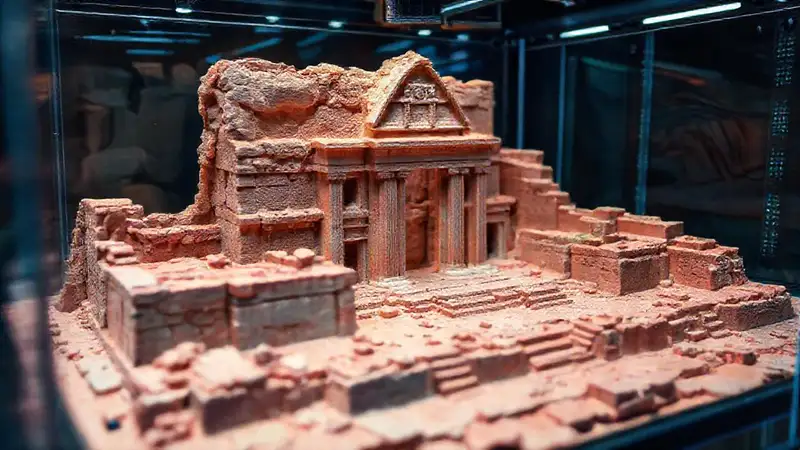



The digital age has profoundly reshaped how communities form and interact, and online forum platforms stand as a particularly vital space for cultivating what we term “Cultura” – a shared understanding of values, traditions, artistic expressions, and lifestyle nuances specific to a group. These platforms, ranging from niche hobbyist corners to expansive cultural hubs, offer unprecedented opportunities for people with shared interests to connect, collaborate, and preserve their heritage. The success of these online spaces hinges on their ability to encourage engagement and build trust among users.
For Cultura communities, in particular, these forums offer a crucial lifeline. Geographical boundaries dissolve, allowing diasporic populations to maintain connection to their roots, enthusiasts to deepen their understanding of specific traditions, and practitioners to share knowledge across continents. The ability to archive and disseminate information within these online spaces contributes to the longevity and accessibility of Cultura, creating a digital repository of shared experiences and knowledge that can be accessed by future generations. Essentially, forum platforms serve as modern digital hearths, where Cultura thrives and evolves.
## Building a Foundation of Trust & Moderation
The initial phase of any forum’s existence is critical, particularly when fostering a Cultura community. Establishing clear rules and guidelines is essential for setting the tone. These guidelines shouldn’t just focus on preventing harassment or spam; they should actively promote respectful dialogue, accurate information sharing, and a sense of shared responsibility for maintaining the community’s integrity. Failure to do so can result in the forum being overrun with negativity, making it hostile and unattractive for genuine participants.
Effective moderation is the backbone of a trusted forum. The moderators need to be both knowledgeable about the Cultura being discussed and skilled at navigating complex situations. This includes not just removing offensive content but also facilitating constructive discussions, mediating disputes, and proactively encouraging participation from quieter members. A visible and responsive moderation team acts as a deterrent against inappropriate behavior and assures users that their concerns are being heard.
Ultimately, trust within the forum blossoms from consistent and transparent moderation. Regularly communicating moderation decisions, explaining the reasoning behind them, and providing avenues for appeal all contribute to a perception of fairness. Building this trust allows members to feel safe sharing their thoughts and experiences, fostering a more open and vibrant Cultura discussion. Ignoring moderation needs and failing to implement a strategy leads to the decline of the community.
## Nurturing Knowledge Sharing and Mentorship
Forums thrive on the exchange of information, and Cultura communities are no exception. Feature sets that prioritize knowledge sharing—such as detailed search functions, well-organized archives, and the ability to tag and categorize posts—are vital. Facilitating the easy retrieval of past discussions concerning specific topics keeps the pool of knowledge growing and readily available to new or returning participants.
Beyond simple information sharing, forums create fertile ground for mentorship and the passing down of traditional skills. Experienced practitioners can readily share their knowledge with younger generations, offering guidance on everything from traditional crafts to culinary techniques. The asynchronous nature of forums is particularly valuable here; learners can access advice at their own pace and engage in discussions over extended periods, replicating the dynamics of intergenerational learning within a physical community.
The potential for preserving intangible cultural heritage through forum discussions cannot be overstated. Documenting oral histories, recipes, artistic techniques, and folk traditions within the forum’s archives provides a valuable resource for future generations and helps combat the risk of these cultural elements disappearing. These platforms provide a unique opportunity to safeguard invaluable pieces of knowledge.
## Encouraging Diverse Voices and Perspectives

A healthy Cultura community is one where a wide range of voices are heard, even those representing dissenting opinions or alternative interpretations. Active forum moderation should prioritize ensuring all members feel safe to express themselves, and that diverse perspectives are respected, even when contentious. Creating an environment that welcomes robust discussion, whilst preventing it from descending into personal attacks, builds a more nuanced and complete understanding of the Cultura.
This diversity extends beyond individual viewpoints to encompass different backgrounds within the Cultura itself. Forums can facilitate dialogue between different generations, regional variations, and even those who practice the Cultura in different contexts. The ability to hear multiple perspectives can challenge assumptions, broaden understanding, and ultimately strengthen the Cultura by allowing it to evolve and adapt. The lack of diverse voices can lead to a skewed representation.
However, encouraging diverse voices requires conscious effort. Forum organizers can actively solicit input from underrepresented groups, highlight different perspectives in featured posts, and create specific discussion threads dedicated to exploring particular nuances within the Cultura. This active effort cultivates a more inclusive and representative digital space.
## Leveraging Features for Cultural Expression
Modern forum platforms offer a plethora of features that go beyond simple text-based discussions, enriching the cultural experience for participants. Integrated image and video sharing allows members to showcase their artistic creations, traditional clothing, culinary masterpieces, and other visual aspects of their Cultura. The ability to share these visual representations strengthens the emotional connection members feel to their shared identity.
Furthermore, features like polls and surveys can be used to gauge community sentiment on various topics, gather feedback on cultural projects, or even decide on collective actions. Live event announcements, collaborative playlists, and virtual workshops facilitate real-time interaction and deepen the sense of community among members. These additions go far beyond what a traditional online bulletin board could offer, allowing users to express their creativity.
Ultimately, leveraging these features moves the forum beyond a simple information exchange into a dynamic space for cultural expression and creativity. The seamless integration of various media types contributes to a more immersive and engaging experience, strengthening the bond among members and fostering a deeper appreciation for the shared heritage.
## Conclusion
Forum platforms have proven to be invaluable tools for fostering Cultura community discussions, providing a virtual space where shared traditions, values, and artistic expressions can be preserved, debated, and celebrated. By prioritizing trust-building, knowledge-sharing, diverse voices, and creative expression, these platforms can significantly contribute to the vitality and longevity of Cultura in the digital age. The power of these digital meeting places is growing, offering communities avenues for connection unimaginable just a few decades ago.
The continued evolution of forum technology will undoubtedly shape the future of online Cultura communities. Emerging features like virtual reality integration and advanced AI moderation offer exciting possibilities for creating even more immersive and engaging experiences. While challenges remain – such as combating misinformation and ensuring equitable access – the potential for forums to serve as vibrant digital hearths for Cultura is undeniable, playing a vital role in shaping the future of cultural preservation and transmission.
Related Articles